

The Masai Mara in November is one of the best kept secrets of the Kenya safari year. The big migration crowds have gone. The plains turn green. The lions, elephants and crocodiles are still right where they always are.
We get the same questions every October. Is November a good time to visit Masai Mara if the migration has left? How bad are the short rains? Will the reserve be busy? And how do you book a conservancy camp without paying luxury prices?
A recent traveller asked exactly this on a safari forum. She had four days, a careful budget and three must see animals: lions, elephants and crocodiles. This guide answers her questions and yours. It covers weather, wildlife, crowds, fees, where to stay and a simple 4 day plan.
Key Takeaways
- Big cats stay all year: Lions, leopards, cheetahs, elephants, hippos and crocodiles live in the Mara year round. You do not need the migration to see them.
- The migration has mostly left: Most wildebeest are back in Tanzania’s Serengeti by November. Small groups can linger early in the month.
- Expect short rains: Kenya’s short rains run from October into December. Showers usually come in the afternoon or evening.
- 2026 looks wetter than usual: Kenya’s weather service expects near average to above average rain around the Mara this season.
- Fewer vehicles: November is part of the Masai Mara low season, so sightings are calmer than in August.
- Fees stay at the high season rate: Non resident adults pay USD 200 per day until 31 December 2026.
- Four days is enough: Three nights in or near the reserve gives you five or six good game drives.
Is November a Good Time to Visit Masai Mara?
Yes, November is a good time to visit Masai Mara for big cats, elephants and river wildlife without the crowds. The migration has mostly moved south, but resident predators stay. Expect green grass, afternoon showers, fewer vehicles and some lodge discounts. Pack for rain and keep your plans flexible.
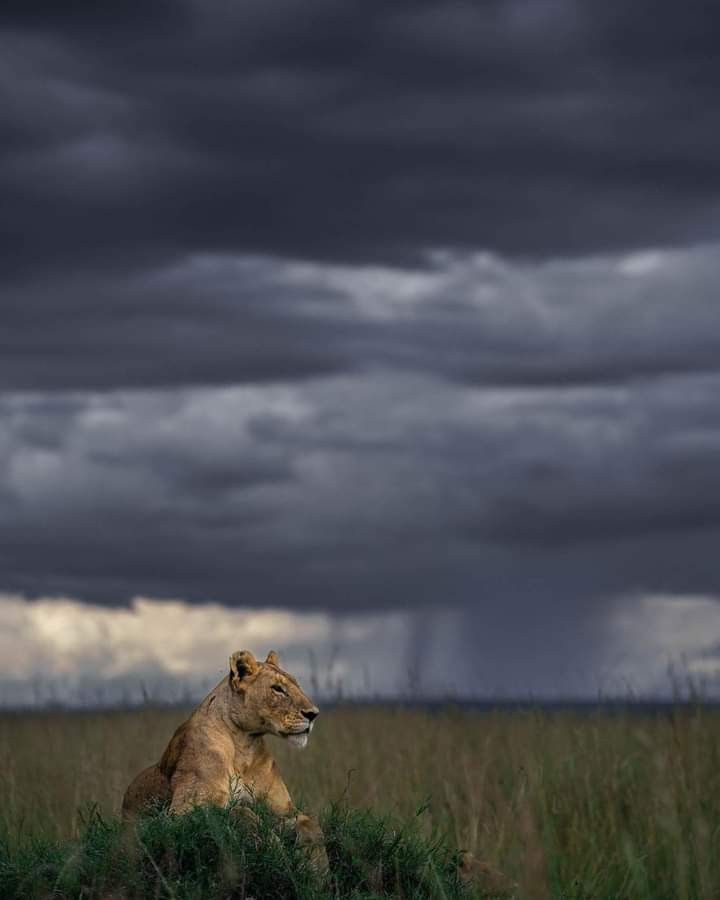
Here is the honest picture of the Masai Mara in November. You will not see dramatic river crossings with thousands of wildebeest. You will see lions, often more relaxed and easier to watch because fewer vehicles crowd them. You will also see the Mara looking its most beautiful, with fresh grass and dramatic skies.
So the answer depends on your list. If a river crossing is the dream, go between July and October. If lions, elephants and crocodiles matter most, the Masai Mara in November works very well.
What Wildlife Can You See in the Masai Mara in November?
You can see four of the Big Five in the Mara in any month. Lion, leopard, elephant and buffalo are resident. Rhino are present but rare and hard to find in the main reserve.
Big cats
The Mara is famous for lions. November does not change that. Prides hold the same territories all year. Cheetahs hunt on the open plains. Shorter grass early in the month helps you spot them. Leopards are shy in every season, so a good guide matters most here.
Elephants, hippos and crocodiles
Elephant families move through the reserve all year. Hippos and Nile crocodiles live in the Mara River. Ask your guide for a stop at a river viewpoint. Many guides plan one on a full day drive.
Migration stragglers and newborns
Most of the great herds return to the Serengeti from late October. Small groups of wildebeest and zebra can stay into early November. Topi, gazelle and impala are always around, so the plains never look empty.
To see where each animal lives, read our guide on where to spot the Big 5 in Kenya.
Masai Mara Weather in November: What the Short Rains Mean
Masai Mara weather in November is warm by day and cool at night. Days usually reach the mid to high 20s Celsius. Early mornings can feel cold in an open vehicle, so bring a fleece.
The Masai Mara short rains usually arrive as afternoon or evening storms. Mornings are often clear, which suits the best game drive hours. A full washout day is possible but less common.
The 2026 short rains outlook
The Kenya Meteorological Department expects many counties to get above average rain from October to December 2026. Its October to December 2026 seasonal forecast lists parts of Narok County for near average to above average rain. Narok is home to the Mara. Rains in this region are expected to continue into January.
What does that mean for your trip? Some tracks will be muddy. Black cotton soil gets slippery after heavy rain. Your guide may need to change routes or skip a muddy area. Build a little flexibility into your plan and the Masai Mara weather in November becomes part of the adventure.
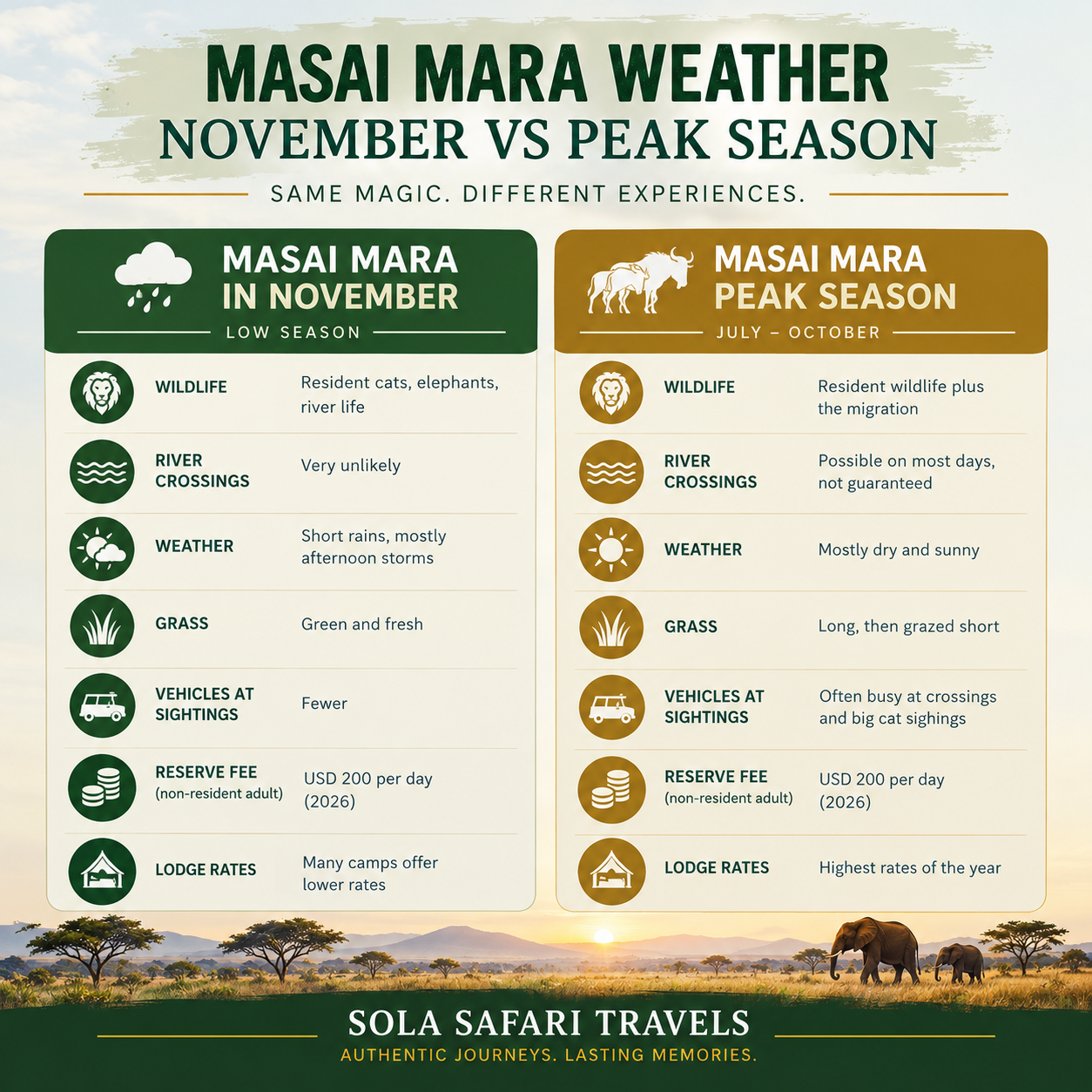
| Factor | Masai Mara in November | Peak season (July to October) |
| Wildlife | Resident cats, elephants, river life | Resident wildlife plus the migration |
| River crossings | Very unlikely | Possible on most days, not guaranteed |
| Weather | Short rains, mostly afternoon storms | Mostly dry and sunny |
| Grass | Green and fresh | Long, then grazed short |
| Vehicles at sightings | Fewer | Often busy at crossings and big cat sightings |
| Reserve fee (non resident adult) | USD 200 per day (2026) | USD 200 per day (2026) |
| Lodge rates | Many camps offer lower rates | Highest rates of the year |
How Busy Is the Masai Mara Low Season?
November sits in the Masai Mara low season, so the reserve is much quieter than in August or September. You may still meet several vehicles at a good lion or leopard sighting. You will not see the long lines of vehicles that gather at river crossings in peak season.
Quiet does not mean empty. Lodges inside and near the reserve stay open. Guides still share sightings by radio. The difference is calm. You can sit with a pride for half an hour without feeling rushed.
The Masai Mara short rains also keep some visitors away. That helps you, as long as you pack for rain.
Masai Mara in November: Fees and Costs
Park fees are one of the biggest costs of any Mara trip. Narok County Government runs the Masai Mara National Reserve, not the Kenya Wildlife Service. So its fees follow a different schedule.
For 2026, non resident adults pay USD 100 per day from January to June. From July to December the fee is USD 200 per day. So the Masai Mara in November is charged at the higher rate, even in the Masai Mara low season. Children pay less. Always check the current rate with Narok County Government before you travel.
The Mara ticket also works differently from national park tickets. It covers a fixed daytime window, not a rolling 24 hours. If you leave the gate late on your last day, you can be charged for an extra day. Plan your exit drive with your guide.
Where you can save
Lodge rates often drop in the Masai Mara low season. Road transfers cost less than flights. A shared group joining safari costs less than a private vehicle. To see how these choices change your total, try our Kenya Safari Cost Calculator. For a full worked example, read how much a Kenya safari costs.
Remember what most quotes leave out: international flights, tips, a hot air balloon flight and anything not listed in writing.
Main Reserve or Private Conservancy in November?
You can stay in the main reserve or in a private conservancy on its border. Both work well in November.
The main reserve is huge and varied. It includes the Mara River, the Talek River and the open plains of the Mara Triangle. In the Masai Mara low season, its crowds are manageable, so it is good value.
Private conservancies limit vehicle numbers. Many allow walking safaris and night drives, which the main reserve does not. They cost more, because your fee supports the Maasai landowners who lease the land.
How do you book a conservancy safari?
Most conservancy camps sell a package. Your nightly rate usually covers the room, meals, game drives with camp guides and the conservancy fee. You fly to a nearby airstrip or drive in with an operator. The camp collects you and handles the rest.
An operator like Sola can also arrange the whole trip. That includes the road or air transfer from Nairobi, the camp, your guide and any days in the main reserve. Read why prices differ in our guide to conservancy versus national park costs.
Expert Insight: In November we plan the main game drive for the cool, clear hours from about 6:30am. Then guests enjoy a long lunch at camp while storms build. Afternoon drives start once the rain passes. Guests who follow this rhythm see more and stay drier than those who try to stay out all day.
A Simple 4 Day Plan for the Masai Mara in November
Four days and three nights is enough for a good Mara safari. Here is a plan that suits the November weather.
- Day 1: Drive or fly from Nairobi. Settle into camp and take a short evening game drive.
- Day 2: Early morning drive to the plains for big cats. Rest at camp in the afternoon. Go out again when the rain clears.
- Day 3: Full day drive with a packed lunch, including the Mara River for hippos and crocodiles.
- Day 4: Sunrise drive, breakfast, then exit the reserve in good time and return to Nairobi.
Our 3 Days Masai Mara Safari follows a similar plan and can be extended by a night. Want to add Lake Nakuru and Lake Naivasha? The 5 Days Kenya Wildlife Circuit is one of our most booked trips.
Road or Flight: Getting to the Mara in the Rain
The drive from Nairobi to the Mara usually takes five to six hours. The exact time depends on your gate and the last stretch of road. In the Masai Mara short rains, the final section can be slow. A good 4×4 safari vehicle and an experienced driver make a big difference. See the vehicles we use on our safari vehicles page.
Flights from Nairobi take about 45 minutes to an hour. They save most of a day, but they cost more. Light aircraft have strict luggage limits, usually 15 kg per person in soft bags.
If time is short, fly in and drive out, or the other way round. This gives you one easy travel day and still keeps costs down.

What to Pack for the Masai Mara Weather in November
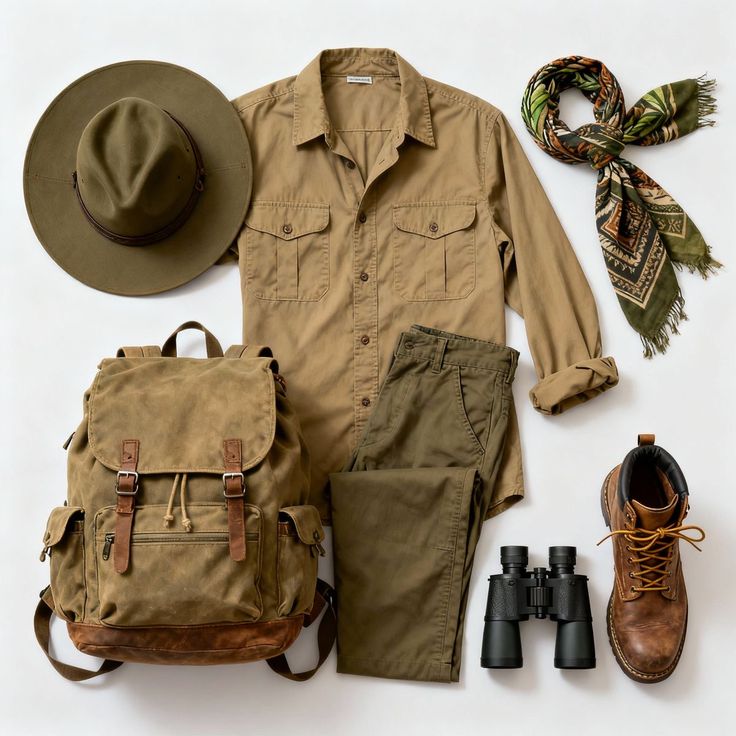
Pack light, but pack for wet weather. These items matter most:
- A light waterproof jacket that packs small.
- A warm fleece for cold early mornings.
- Neutral coloured clothes in layers.
- Quick dry trousers and a spare pair of shoes.
- Insect repellent, because mosquitoes increase in the wet season.
- A dry bag or plastic cover for your camera.
Our full Kenya safari packing list covers the rest.
Common Mistakes When Visiting the Masai Mara in November
- Expecting river crossings: Book July to October if crossings are your priority.
- Planning long drives in the afternoon: Use mornings for your main game drive.
- Leaving the gate too late: The Mara ticket covers a fixed daytime window, so a late exit can cost another day.
- Packing only summer clothes: Mornings are cold and storms are wet.
- Squeezing in too many parks: Three nights in one place beats one night in three places. Read about this and other first time Kenya safari mistakes.
How the Masai Mara in November Fits Into a Longer Trip
November is a good month to combine the Mara with other parks. Amboseli often has clear views of Kilimanjaro after rain. Lake Nakuru is green and good for rhino. You could also follow the herds into Tanzania. They are usually in the northern and central Serengeti by now. Our guide to Kenya versus Tanzania explains how a two country trip works.
For a month by month view of the whole year, see our best time to visit Kenya for a safari guide.
Frequently Asked Questions
Is it Masai Mara or Maasai Mara?
Both spellings are correct and both are widely used. “Maasai” is the correct spelling of the Maasai people, who give the reserve its name. The official name used by Narok County is the Maasai Mara National Reserve, while “Masai Mara” is the more common spelling online.
Is November a good time to visit Masai Mara with children?
Yes, as long as you plan around the rain. Shorter morning drives and a relaxed afternoon at camp suit children well. Children aged 9 to 17 pay a lower reserve fee than adults. Younger children may enter free. Check the current rule with Narok County before you book.
Will a hot air balloon fly during the Masai Mara short rains?
Balloon flights run at dawn, which is usually the calmest and driest part of the day in November. Flights can still be cancelled if the wind or rain is too strong. The balloon company decides on the morning. Balloon flights are not included in Sola quotes and are booked as an extra.
Do I need malaria tablets for the Masai Mara in November?
The Mara is a malaria risk area all year. Mosquitoes increase in the wet season. Speak to your doctor or a travel clinic about malaria tablets before you travel. Use repellent at dusk and sleep under a net if your tent has one.
Is the Masai Mara low season cheaper?
Often, yes. Many camps lower their nightly rates outside the peak migration months. The reserve fee itself stays at USD 200 per adult per day until 31 December 2026, so savings come from lodging, not park fees. Estimate your own trip with our Kenya Safari Cost Calculator.
Can I see the migration in Kenya in November?
Not in large numbers. Most herds have crossed back into Tanzania by early November. If you are set on seeing the herds in November, consider a few days in the northern or central Serengeti on a combined Kenya and Tanzania safari.
Do I need a visa for Kenya?
Most visitors need a Kenya Electronic Travel Authorisation (eTA) before they fly, though some nationalities are exempt. Apply at least two weeks before travel. Our visa requirements page explains the process.
Plan Your Masai Mara in November Safari
The Masai Mara in November is calmer, greener and often better value than peak season. You trade river crossings for quieter sightings, fresh landscapes and relaxed big cats. With a flexible plan and a light rain jacket, it can be one of the best weeks of your year.
Explore the reserve on our Masai Mara National Reserve page, or tell us your dates and we will build a plan around them.
Plan your safari with a Sola specialist or get a free Kenya safari quote.
Written by Linsel Ajode, Senior Safari Specialist at Sola Safari Travels. Linsel has 5+ years of experience planning safaris across Kenya and Tanzania. Sola Safari Travels is a TRA registered operator rated 5 stars on TripAdvisor, Trustpilot and SafariBookings.
