
DESTINATION GUIDE // TANZANIA
Tarangire Safari: National Park Travel Guide
Ancient baobabs, a river that never runs dry, and elephant herds several hundred strong through the dry season.
2,850 km2
PARK AREA
550+
BIRD SPECIES
Jul to Oct
PEAK SEASON
2 hrs
FROM ARUSHA
Baobabs
SIGNATURE TREE
Quick answer: Tarangire National Park covers about 2,850 square kilometres in northern Tanzania, roughly 120 km and two hours south west of Arusha. It is known for very high elephant densities along the Tarangire River, ancient baobab trees and the highest bird count of any Tanzanian park.

GENERAL OVERVIEW
About Tarangire National Park
Tarangire National Park covers roughly 2,850 square kilometres in the Manyara Region of northern Tanzania, about 120 km south west of Arusha. It takes its name from the Tarangire River, which runs the length of the park and is the only permanent water for miles in the dry season. That single fact explains everything about the place: between July and October, when the surrounding Maasai Steppe dries out, animals converge here in numbers that rival the Serengeti.
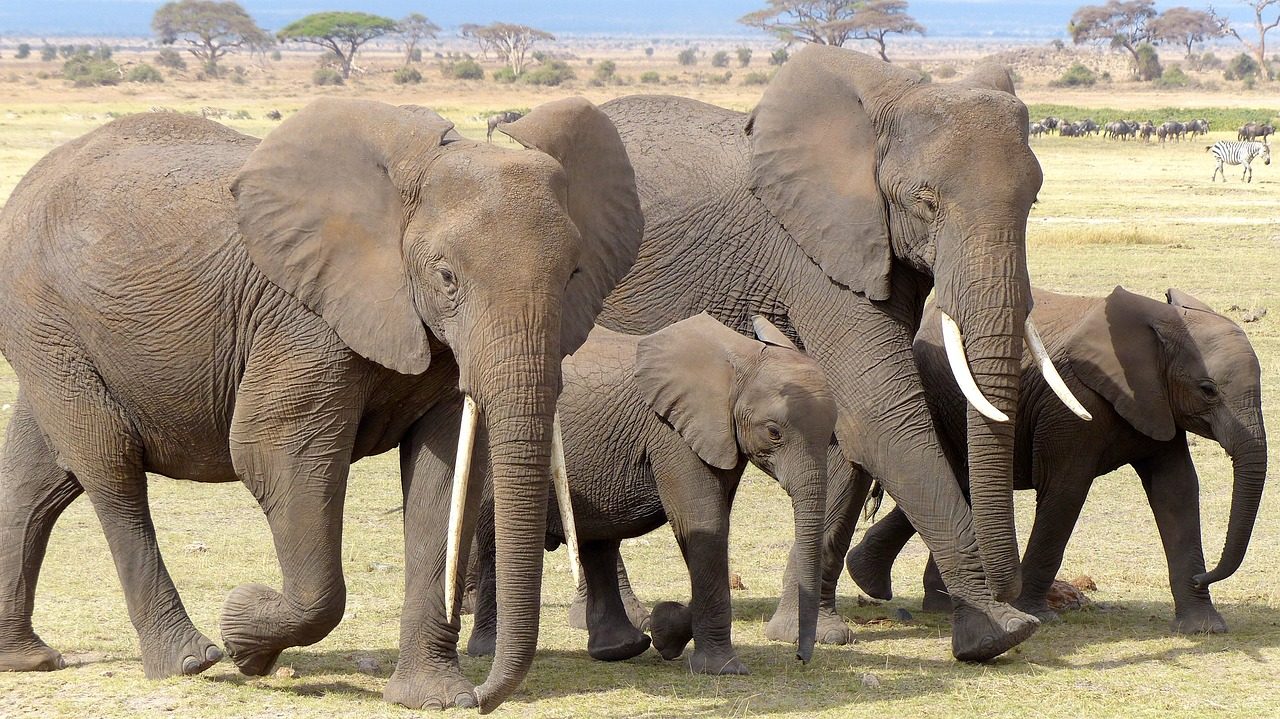
Tarangire is best known for two things. The first is elephants, with herds of 300 and more gathering along the river, one of the highest concentrations anywhere in Africa. The second is baobabs, the enormous flask-shaped trees that give the park a look unlike anywhere else on the northern circuit.
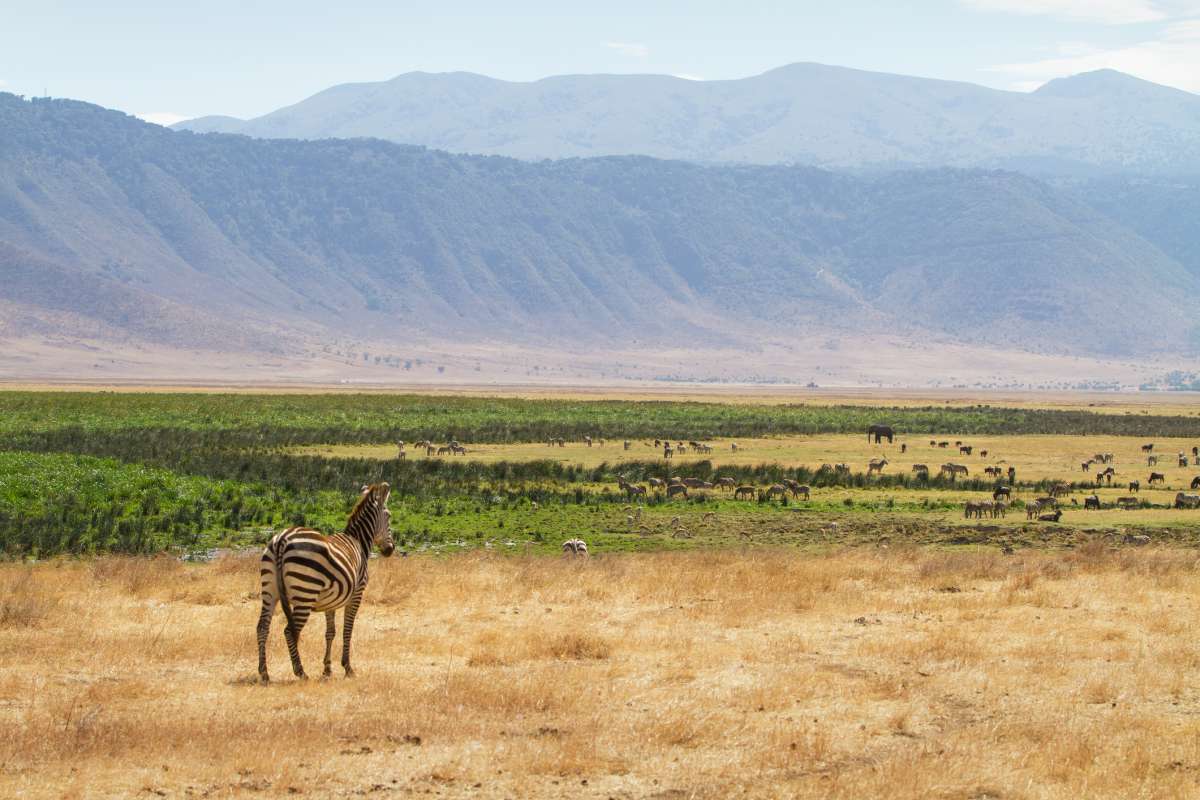
Terrain. River valley and floodplain, open acacia woodland, seasonal swamps in the south, and granite ridges. Altitude runs from about 1,100 to 1,600 metres, which makes it warmer than the Ngorongoro highlands.
| Detail | At a glance |
|---|---|
| Location | Manyara Region, northern Tanzania |
| Size | Around 2,850 km2 |
| From Arusha | About 120 km, roughly 2 hours by road |
| Established | 1970 |
| Main gate | Tarangire main gate on the Arusha to Dodoma road |
| Gate hours | 6am to 6pm. No driving inside the park outside these hours |
POINTS OF INTEREST
Key Attractions in Tarangire
- The Tarangire River. The spine of the park and the reason the dry season here is so good. Elephants dig into the riverbed for water when the surface flow stops
- Silale Swamp. A green belt in the south that holds water year round, drawing buffalo, elephant and large predators
- The baobab groves. Some of these trees are over a thousand years old and carry the scars of elephants stripping bark for moisture
- Lemiyon plains. Open grassland in the north, the most productive area for a short visit
- Termite mounds. Abandoned mounds are regularly occupied by dwarf mongoose, one of the small pleasures of a Tarangire drive
- Tree climbing pythons. Unusual behaviour seen here more than anywhere else on the circuit
WILDLIFE AND LANDSCAPES
Species and Terrain
What you will actually see. Tarangire is not a Big Five guarantee. Rhino are absent and leopard, while present, are difficult. What it delivers reliably is quantity, particularly elephant, and species you will not find further north.
- Elephant in exceptional numbers, especially July to October
- Lion throughout, often on kopjes or in the Silale area
- Leopard in the riverine trees, seen but not reliably
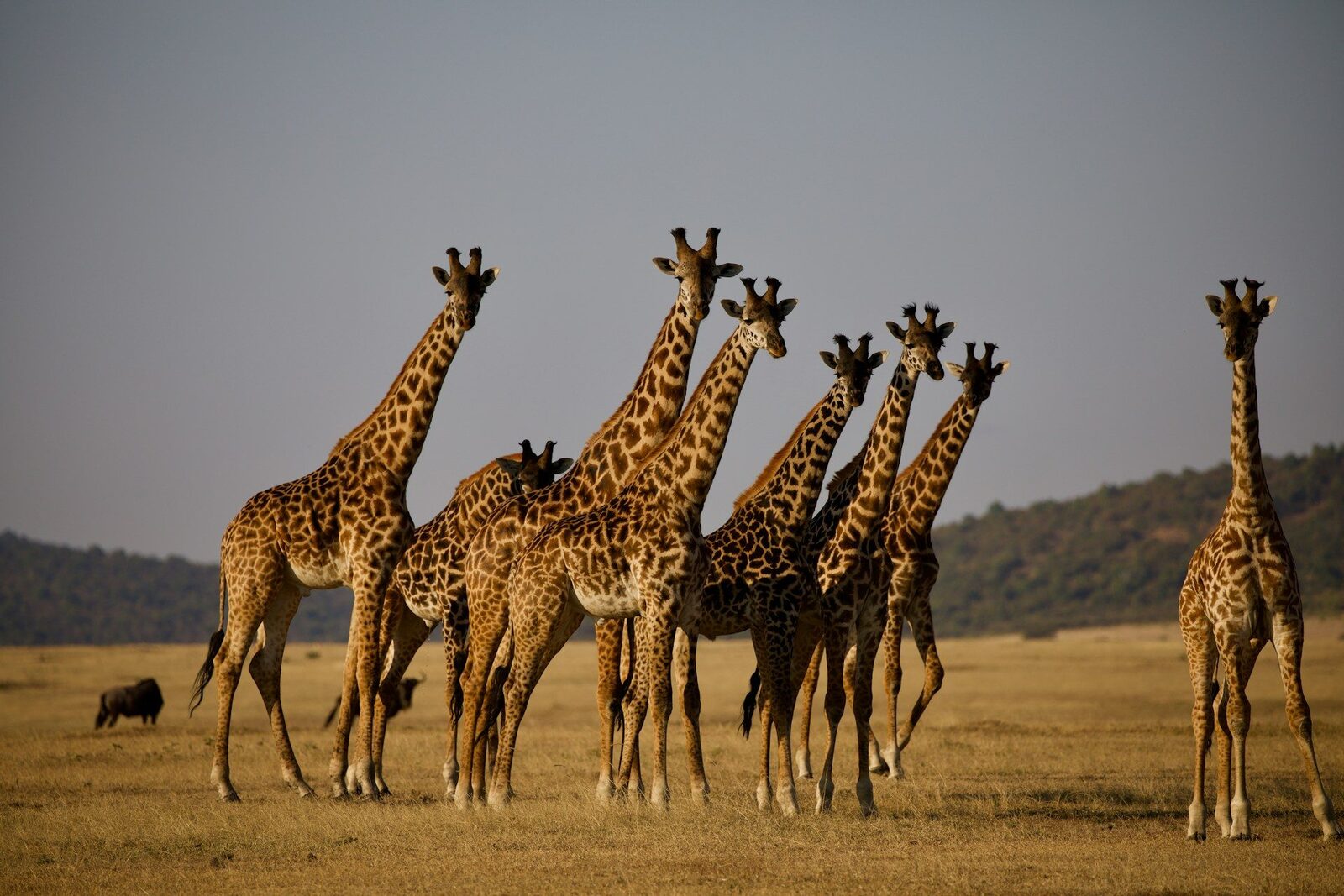
- Buffalo, giraffe, zebra, wildebeest and impala in large mixed herds
- Fringe-eared oryx, lesser kudu and gerenuk, dry-country species rare elsewhere on the northern circuit
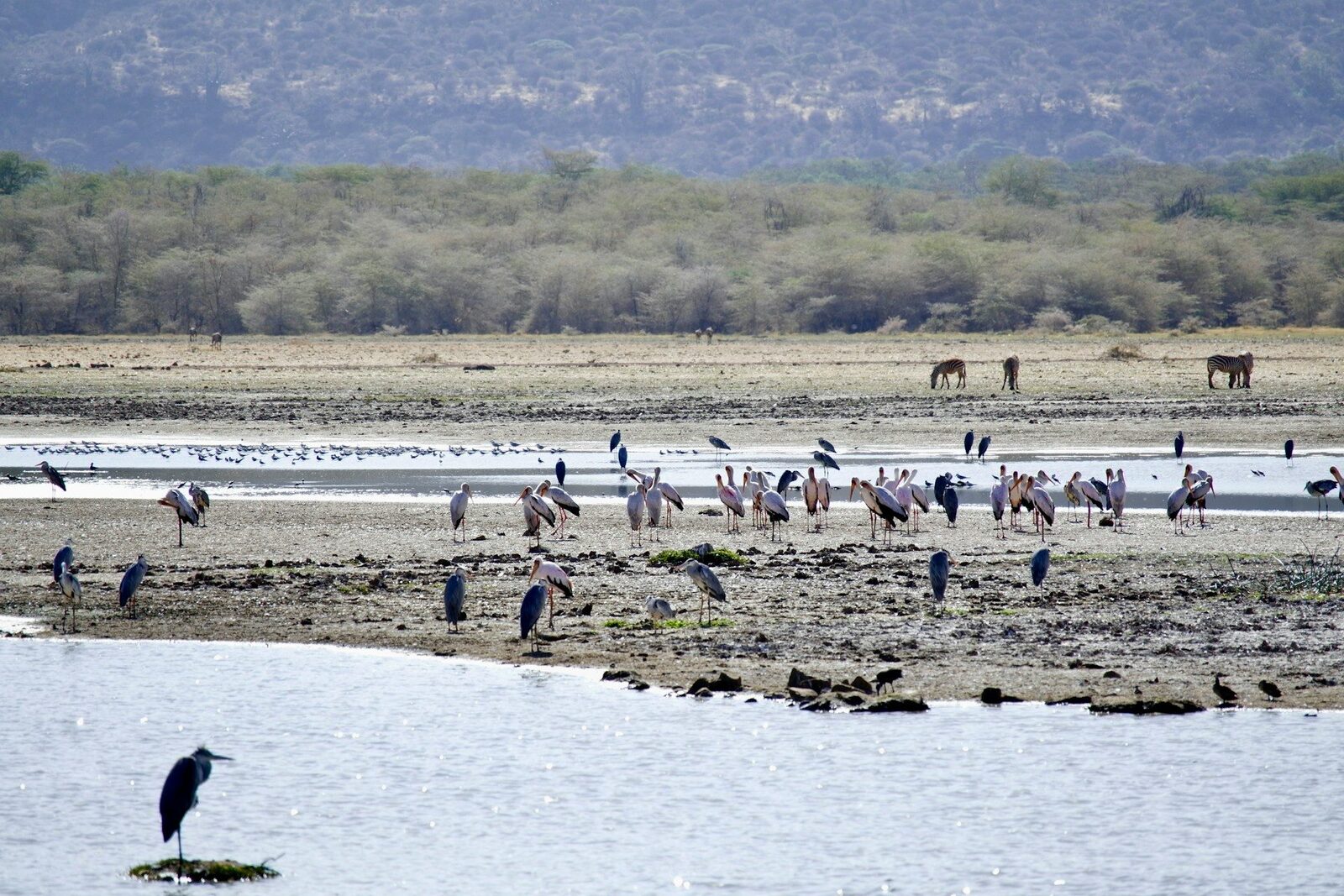
- Over 550 bird species, the highest count of any Tanzanian park, including the yellow-collared lovebird and ashy starling, both near endemic
Note that much of the wildlife disperses out of the park between November and May when water is widely available across the Maasai Steppe. The park is still worth visiting then, but numbers are lower.
THINGS TO DO
Activities and Excursions
Game drives. The core activity. Morning drives along the river are the most productive. A full day drive with a picnic lunch lets you reach Silale Swamp and the southern reaches, which most short visits never see.
Walking safaris. Permitted in designated areas with an armed ranger. Tarangire is one of the better northern parks for this because the terrain is varied and the elephant density makes for a genuinely alert walk.
Night game drives. Available in the concession areas bordering the park rather than inside it. Good for genet, civet, bushbaby and hunting lion.
Balloon safaris. Operated over the northern section in the dry season. Less well known than the Serengeti flights and usually easier to book at short notice.
Cultural visits. Maasai and Barabaig communities live around the park boundary. Visits are arranged directly with the villages rather than through a middleman.
Birding. With 550 recorded species this is the strongest birding park on the northern circuit. November to April is peak, when migrants arrive.
WHY VISIT
What Tarangire Is Known For
Three things bring people here, and it is worth being clear about which matter to you.
The elephants. Tarangire holds one of the densest elephant populations in Africa. In the late dry season, herds of several hundred move along the river within metres of the track. If elephants are the animal you came for, this beats Amboseli for numbers and rivals it for proximity.
The baobabs. No other park on the northern circuit looks like this. For photographers the combination of baobab, elephant and low light is the reason to come.
The quiet. Tarangire sits two hours from Arusha and most itineraries treat it as a one-night stop on the way to the Serengeti. That means far fewer vehicles at a sighting than Ngorongoro or Seronera. Giving it two nights instead of one is the single best value decision on a northern Tanzania trip.
BEST TIME TO VISIT
When To Go To Tarangire
Tarangire has the most pronounced seasonal swing of any northern circuit park, because the animals leave when the rains give them options elsewhere.
| Season | Months | What to expect | Crowds |
|---|---|---|---|
| Peak | Jul to Oct | Animals concentrated on the river, the highest elephant numbers of the year, dry and dusty | Medium |
| Good | Jun and Nov | Shoulder months either side of peak. Still strong game, softer rates | Low |
| Green | Dec to Mar | Lush and excellent for birds and newborns, but much of the game disperses out of the park | Low |
| Wet | Apr to May | Long rains. Tracks can be difficult, some camps close, lowest rates | Very low |
For elephants come between August and October. For birds come between November and April when migrants are present and the park is green.
TRAVEL TIPS
What To Know Before You Go
- Give it two nights. One night means arriving mid afternoon and leaving after breakfast, which misses the best light on the river both days
- Tsetse flies are present in the woodland areas. Avoid dark blue and black clothing, which attracts them, and carry repellent
- Park fees are cashless. TANAPA takes card only, and rates carry 18 per cent VAT. Fees are included on every Sola Safari itinerary
- It is warmer than the highlands. At 1,100 to 1,600 metres Tarangire is noticeably hotter than Ngorongoro. Pack a hat and drink more than you think you need
- Combine it going out, not coming back. Tarangire sits on the road from Arusha, so it works best as the first stop rather than the last
SAFETY
Staying Safe on Safari Here
Tarangire is a well managed national park with an excellent safety record. The sensible precautions are the same ones that apply anywhere with free-ranging wildlife.
- Stay in the vehicle unless your guide tells you it is safe to get out. Designated picnic sites are the exception
- Elephant density here is high and cows with calves need space. Your guide will keep the engine running and hold distance
- Do not walk between tents after dark without an escort. Camps provide one
- Keep tent zips closed. Vervet monkeys and baboons will let themselves in
- Carry any personal medication with you rather than in the main luggage
- Our vehicles carry a first aid kit and stay in radio contact throughout every drive
TOURS WITH US
Sola Safari Travels in Tarangire
We run Tarangire as part of our northern Tanzania circuit rather than as a standalone trip, because the drive from Arusha makes more sense combined with the Serengeti and Ngorongoro. Every departure is private, in a four wheel drive with a pop-up roof and a guaranteed window seat.
What we include: park fees and the 18 per cent VAT, concession fees where the camp charges them, a Tanzanian driver guide, full board accommodation and bottled water throughout. What we exclude is stated in writing before you pay a deposit.
Sample itinerary. Day 1 Arusha to Tarangire with an afternoon game drive along the river. Day 2 a full day in the park with a picnic lunch at Silale Swamp. Day 3 morning drive, then continue to the Ngorongoro highlands or the Serengeti. Add a night if you want the southern reaches and a walking safari.
WHERE TO STAY
Lodges and Camps in Tarangire
Where you sleep decides how much river frontage you get at dawn. These are the areas we book most often.
Northern River Area
Closest to the main gate and the highest game density in the dry season. Best for a one or two night stop.
Central Tarangire
Quieter, with good access to both the river and the woodland. A sensible middle ground on price.
Silale Swamp Area
Deep in the south, several hours from the gate. Very few vehicles and excellent predator activity.
Randilen and Manyara Ranch
Community concessions on the boundary. Night drives and walking permitted, which the park itself does not allow.
Outside the Gate
Lodges on the Arusha road. Cheapest option, and adds 30 to 45 minutes to reach the good game areas.
Mobile Camps
Seasonal camps that operate in the dry months only, placed close to where the herds are that year.
SAFARI PACKAGES
Safaris That Include Tarangire
Tarangire sits naturally at the start of a northern Tanzania route. All departures are private.

5 DAYS / 4 NIGHTS
5 Days Serengeti and Ngorongoro Safari
The endless Serengeti plains and a full morning on the Ngorongoro crater floor.
From $1,100 per person

7 DAYS / 6 NIGHTS
7 Days Kenya and Tanzania
The Masai Mara, Serengeti and Ngorongoro Crater in one crossing. Our most booked route.
From $1,590 per person

10 DAYS / 9 NIGHTS
10 Days Ultimate East Africa
Amboseli, the Masai Mara, the Serengeti and the Ngorongoro Crater at an unhurried pace.
From $2,360 per person
KEY QUESTIONS
Tarangire Safari, Key Questions
Yes, particularly between July and October. In the dry season the elephant concentrations along the river are among the best in Africa and the baobab landscape is unlike anywhere else on the northern circuit. In the green season, from December to May, much of the game disperses outside the park and it is a weaker stop.
Two nights. One night is the standard on most itineraries and it means arriving mid afternoon and leaving after breakfast, which gives you roughly one and a half game drives. A second night opens up Silale Swamp and the southern reaches, where the vehicles thin out completely.
No. Tarangire has no rhino population. If you want the full Big Five in northern Tanzania, the Ngorongoro Crater is where black rhino are seen, and it pairs naturally with Tarangire on the same route.
Tarangire is a Tanzania National Parks site, so fees are charged per adult per 24 hours with 18 per cent VAT added, and payment at the gate is by card only. Rates are revised periodically, so we confirm the current figure in writing with every quote rather than quoting from memory.
They are present in the woodland areas and they do bite. They are attracted to dark blue and black, so avoid those colours, wear long sleeves in the wooded sections and carry repellent. They are not present everywhere in the park and your guide will know which stretches to move through quickly.
Yes, in designated areas with an armed ranger, and in the community concessions on the boundary such as Randilen. Night drives are only permitted in those concessions rather than inside the national park itself.
EXPLORE MORE
Pair Tarangire With Other Destinations
Tarangire is the first stop on the northern circuit. These follow on naturally.


Your Tarangire Safari Starts Here
Tell us your dates and whether elephants or birds matter most. We reply within 24 hours with a route and a clear price.
TAILOR MADE SAFARI
Want to Know More? Talk to Us
Create an unforgettable memory with a customised Kenya or Tanzania safari. Tell us how you like to travel and our safari experts will shape the route around you, with no obligation.
Phone: +254 736 992 608
Email: info@solasafaritravels.com

