
DESTINATION GUIDE // UGANDA
Bwindi Impenetrable Forest
Almost half the world remaining mountain gorillas live in this forest. Tracking them is the single most requested experience in East Africa.
331 km2
FOREST AREA
~460
MOUNTAIN GORILLAS
1994
UNESCO SITE
$800
GORILLA PERMIT
25,000 yrs
FOREST AGE
GENERAL OVERVIEW
About Bwindi Impenetrable Forest
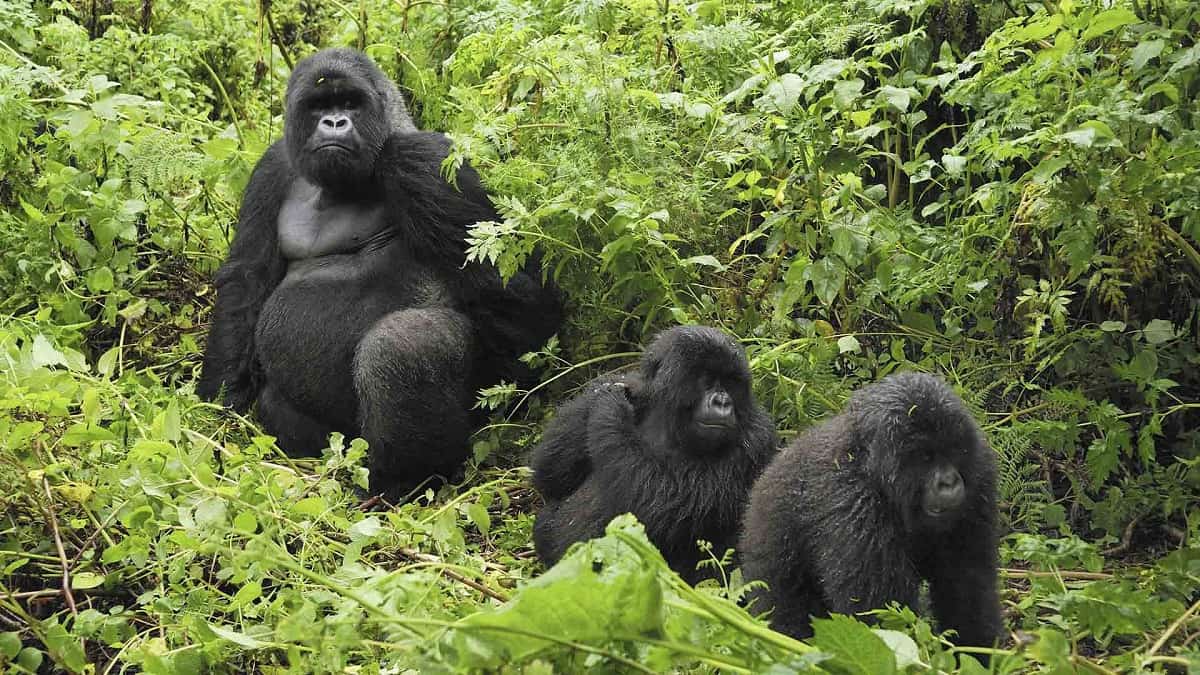
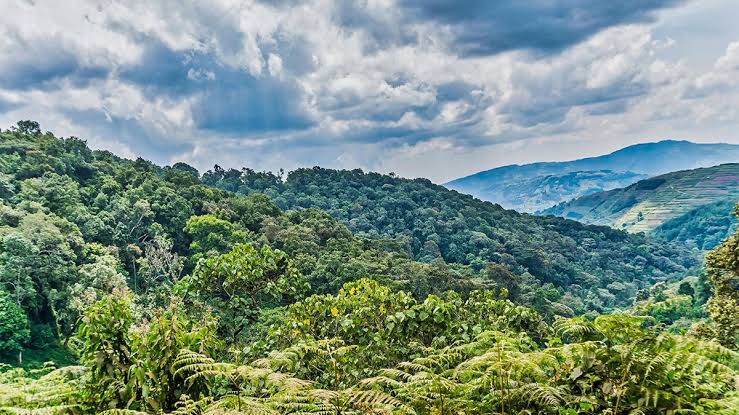
Bwindi covers 331 square kilometres of ancient montane and lowland rainforest in southwest Uganda, on the edge of the Albertine Rift. It is one of the very few African forests that survived the last ice age intact, which is why its species list is so unusually long for its size. UNESCO inscribed it as a World Heritage Site in 1994.
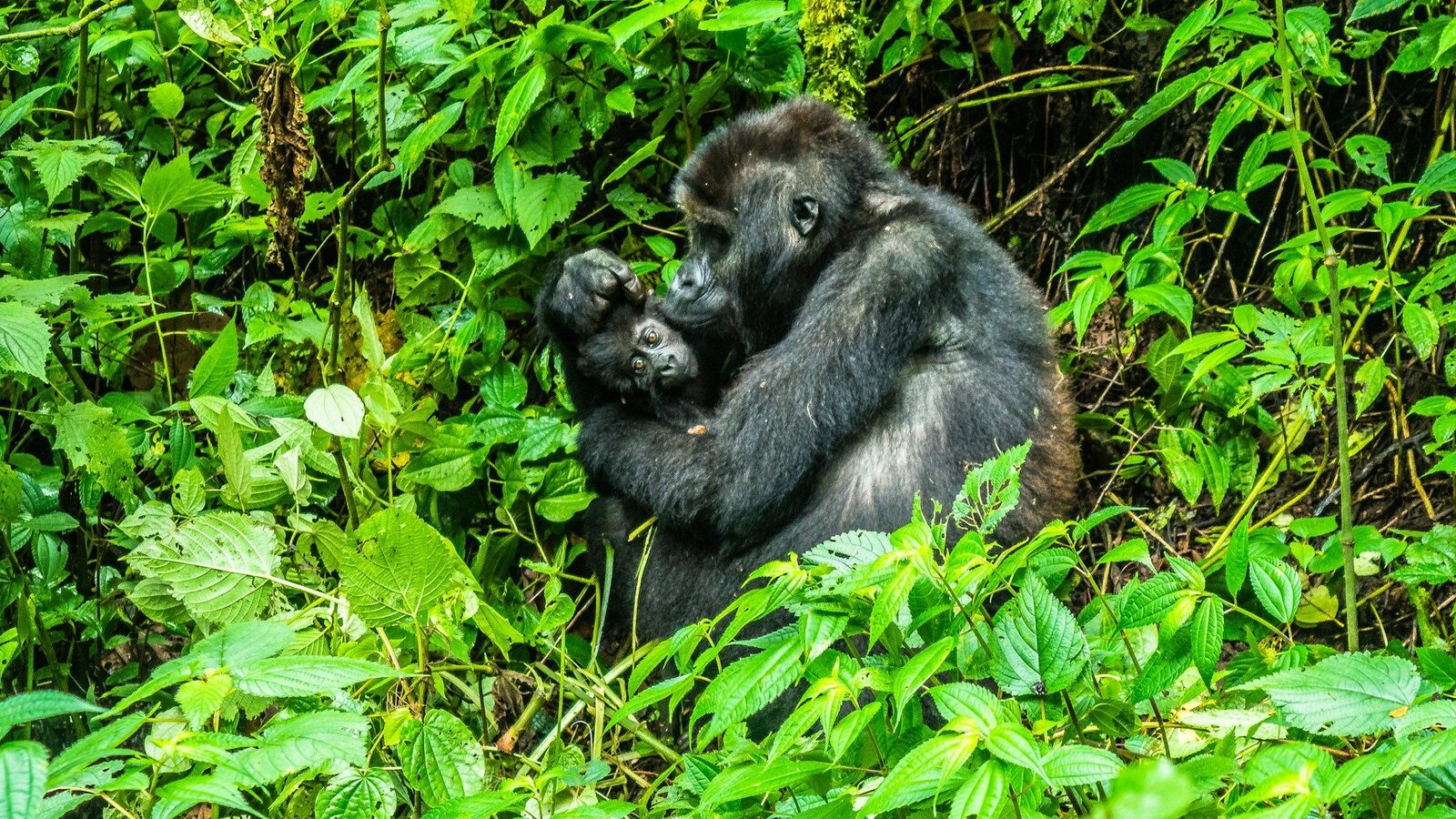
It holds around 459 mountain gorillas, close to half the world population, spread across more than twenty habituated families. That single fact is why most people come, but the forest itself is the other half of the experience: 120 mammal species, over 350 birds, 220 butterflies and around 1,000 flowering plants, tangled into terrain so steep and dense that the name is not marketing.
Four trekking sectors serve visitors, each with its own gate, lodges and gorilla families. Buhoma in the north is the original and most developed. Ruhija sits high in the east. Rushaga in the south has the most families and is the only sector offering habituation. Nkuringo, also in the south, is the most demanding terrain and the most spectacular views.
GORILLA TREKKING
How A Trek Works In Bwindi
Briefing is at 7.30am at your sector headquarters. Trekkers are divided into groups of eight and matched to a family according to fitness. From there you walk, and Bwindi walks are genuinely hard: steep, often muddy, through vegetation that has to be cut as you go. Anything from one to six hours each way is normal.
Once the family is found you have one hour at a required seven metre distance. Trackers have usually been with the gorillas since dawn, so the location is known before you set out.
Gorilla habituation. Rushaga also offers a four hour experience with a family still being habituated, in a group of no more than four people alongside researchers. It costs more and the gorillas are less settled, but the time and the access are incomparable.
Porters cost around 20 US dollars at the trailhead and are worth every cent, both for the climb and because it is direct income for the communities on the forest edge.
PERMITS AND FEES
What You Pay And When To Book
A gorilla permit for foreign non-residents is 800 US dollars in peak season. Uganda now runs a discounted low season rate of 600 dollars during April, May and November, with foreign residents paying 500. The gorilla habituation experience is 1,500 dollars and rises to 1,800 from 2027.
The permit covers park entry, guides, trackers and your hour with the family. Porters, tips and transport are separate.
Permits are issued by the Uganda Wildlife Authority and are tied to a specific date and sector, so lodges have to be booked to match. For June to September and December to February we recommend securing permits six months ahead. The April, May and November window is both cheaper and far easier to book.
We hold and pay for permits on confirmation and match your accommodation to the sector you are allocated.
WILDLIFE AND LANDSCAPES
Beyond The Gorillas
Other primates. Around ten species including chimpanzees, L’Hoest’s monkey, black and white colobus, red tailed monkey, blue monkey, olive baboon and both potto and bushbaby at night.
Mammals. Forest elephant, giant forest hog, bushpig, duikers and African golden cat all live here, though the density of the forest means sightings are rare.
Birds. Over 350 species with 23 Albertine Rift endemics, which makes Bwindi one of the top forest birding sites on the continent. African green broadbill, Grauer’s rush warbler, Shelley’s crimsonwing, handsome francolin and the Ruhija Mubwindi swamp specialities.
Terrain. Altitude runs from 1,160 to 2,607 metres, and the forest changes character completely across that range. Ruhija is cool and mossy at the top, Buhoma warm and lowland at the bottom.
THINGS TO DO
Activities Around The Forest
Batwa cultural experiences. The Batwa lived in this forest for millennia before its gazettement. Guided walks led by Batwa community members cover forest craft, hunting technique and medicinal plants, and the Batwa Development Programme runs the most substantial of them.
Buhoma village walk. Banana beer brewing, a traditional healer, a school and a craft workshop. Straightforward and genuinely community run.
Forest walks. The Munyaga River trail, the waterfall trail and the Rushura Hill walk, which on a clear day gives views into three countries.
Birding. Dedicated guides work the Ruhija road and the Mubwindi swamp trail, which is the single best endemic site.
Bwindi Community Hospital. Visits can be arranged and the hospital is one of the more meaningful examples of tourism revenue at work in the region.
BEST TIME TO VISIT
When To Trek
June to August and December to February, the dry seasons. Firmer trails, easier climbing and the busiest permits. Book well ahead.
March to May, the long rains. The forest is at its most beautiful and the walking at its hardest. April and May now carry the 600 dollar permit rate, which is a substantial saving for travellers who do not mind mud.
September to November, the short rains. Afternoon showers, quieter trails, and November also carries the discounted permit.
Bwindi is a rainforest and rain is possible on any day of the year. Gorillas are tracked in all conditions and sightings run at essentially 100 per cent regardless of season.
GETTING THERE
How To Reach Bwindi
By road from Entebbe or Kampala. Eight to ten hours depending on sector, usually broken with a night at Lake Mburo or in Mbarara. The last stretch to any sector is unsurfaced and slow.
By road from Queen Elizabeth. Three to four hours to Buhoma via the Ishasha sector, which is why most itineraries link the two.
By air. Scheduled flights run from Entebbe to Kihihi, for the northern sectors, and Kisoro, for the southern ones, in about ninety minutes. From either airstrip it is one to two hours by road. This is the sensible option on a short trip.
From Kigali. Four to five hours to the southern sectors via the Cyanika or Katuna border, which is often faster than driving from Entebbe.
WHERE TO STAY
Lodges By Sector
Buhoma. Buhoma Lodge, Mahogany Springs, Silverback Lodge and the community run Buhoma Community Rest Camp. The widest range in the park.
Ruhija. Bakiga Lodge, Gorilla Mist Camp and Trekkers Tavern. Simpler, colder and closest to the swamp for birders.
Rushaga. Gorilla Safari Lodge, Ichumbi Gorilla Lodge and Rushaga Gorilla Havens. The base for habituation.
Nkuringo. Clouds Mountain Gorilla Lodge, which has the best view in Bwindi, and Nkuringo Bwindi Gorilla Lodge.
The critical point is matching lodge to sector. Sectors are two to four hours apart on bad roads, so staying in the wrong one means a pre dawn transfer on trekking day. We book the two together.
TRAVEL TIPS AND SAFETY
What To Know Before You Go
Fitness. Bwindi is harder than the Virungas. Steep, wet, and often off trail. Tell us your fitness honestly and the guides will allocate an accessible family.
Kit. Waterproof boots with ankle support, gaiters, long sleeves and trousers, gardening gloves for the vegetation, a rain jacket and a dry bag for cameras.
Rules. Minimum age fifteen. Seven metre distance. Masks required. No visiting with a cold or flu, since gorillas are highly susceptible to human respiratory infections.
Health. Malaria prophylaxis is necessary, and a yellow fever certificate is required for entry to Uganda.
Safety. The park and its sectors are well policed and routinely patrolled. Standard travel sense applies, nothing more.
Cash. Bring dollars for porters and tips. Card facilities are limited outside the larger lodges.
TOURS WITH US
Safaris With Sola Safari Travels
Our shortest Bwindi trip is four days from Entebbe with one trekking day. Most travellers pair it with chimpanzees in Kibale and the Kazinga Channel in Queen Elizabeth, which is the classic six day western Uganda loop.
We secure permits the day you confirm, match your lodge to the allocated sector, and run the whole trip in a private 4×4 with a driver guide who knows the roads into each gate. One point of contact from your first enquiry to the airport transfer home.
SAFARI PACKAGES
Safaris That Include Bwindi
Bwindi anchors every Uganda gorilla itinerary. These trips build around it. All departures are private.
4 DAYS / 3 NIGHTS
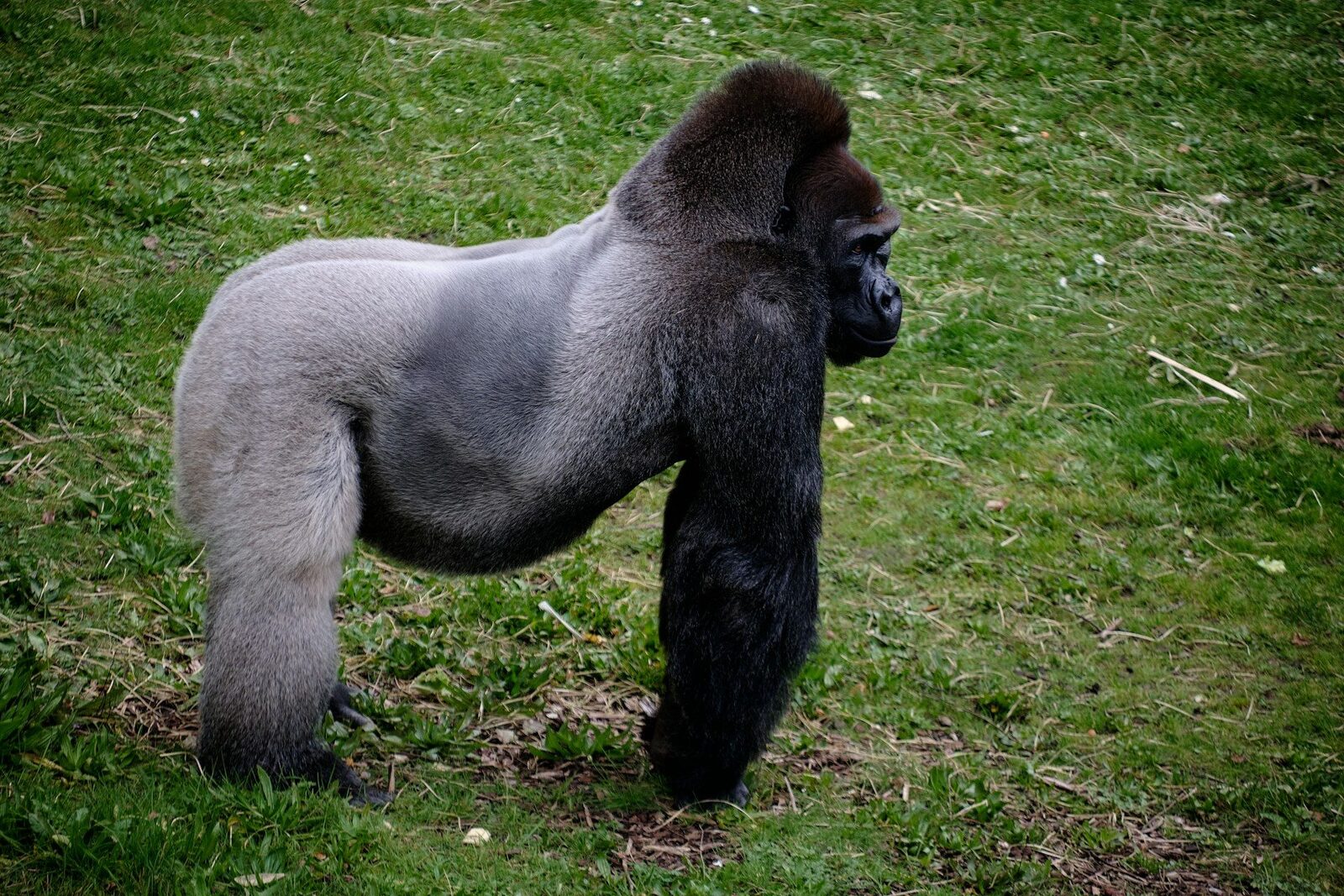
4 Days Uganda Gorilla Trek
Mountain gorilla trekking in Bwindi, with a night at Lake Mburo on the drive in from Entebbe.
From $1,560 per person
6 DAYS / 5 NIGHTS
6 Days Gorillas and Chimpanzees Uganda
Gorillas in Bwindi and chimpanzees in Kibale, with Queen Elizabeth in between.
From $2,200 per person

10 DAYS / 9 NIGHTS
10 Days Ultimate East Africa
Amboseli, the Masai Mara, the Serengeti and the Ngorongoro Crater at an unhurried pace.
From $2,360 per person
KEY QUESTIONS
Bwindi Safari, Key Questions
800 US dollars per person for foreign non-residents in peak season, or 600 dollars during the low season months of April, May and November. Foreign residents pay 500 dollars in low season. The four hour habituation experience in Rushaga costs 1,500 dollars and rises to 1,800 from 2027.
Harder than Rwanda. The terrain is steeper, wetter and more overgrown, and treks run anywhere from one to six hours each way. Guides match families to fitness levels, so be candid with us about what you can manage, and hire a porter at the trailhead.
Buhoma has the widest choice of lodges and the easiest access from Queen Elizabeth. Rushaga has the most families and the only habituation experience. Nkuringo is the toughest terrain and the best views. Ruhija is the birding sector. We match the sector to your permit and your lodge so you are never transferring across the park before dawn.
Uganda is 800 dollars against Rwanda’s 1,500, and Bwindi holds around half the world population across more than twenty families. Rwanda is two and a half hours from Kigali on tarmac while Bwindi is eight to ten hours from Entebbe or ninety minutes by light aircraft. Uganda suits longer trips, Rwanda suits short ones.
In practice yes. Trackers locate the family before you set out and success rates sit at essentially 100 per cent. What varies is the length of the walk.
Six months ahead for June to August and December to February. April, May and November are both cheaper and much easier to secure, often at a few weeks notice.
EXPLORE MORE
Pair Bwindi With Other Destinations
The western circuit runs north from Bwindi through the savannah and forest parks. These follow on naturally.
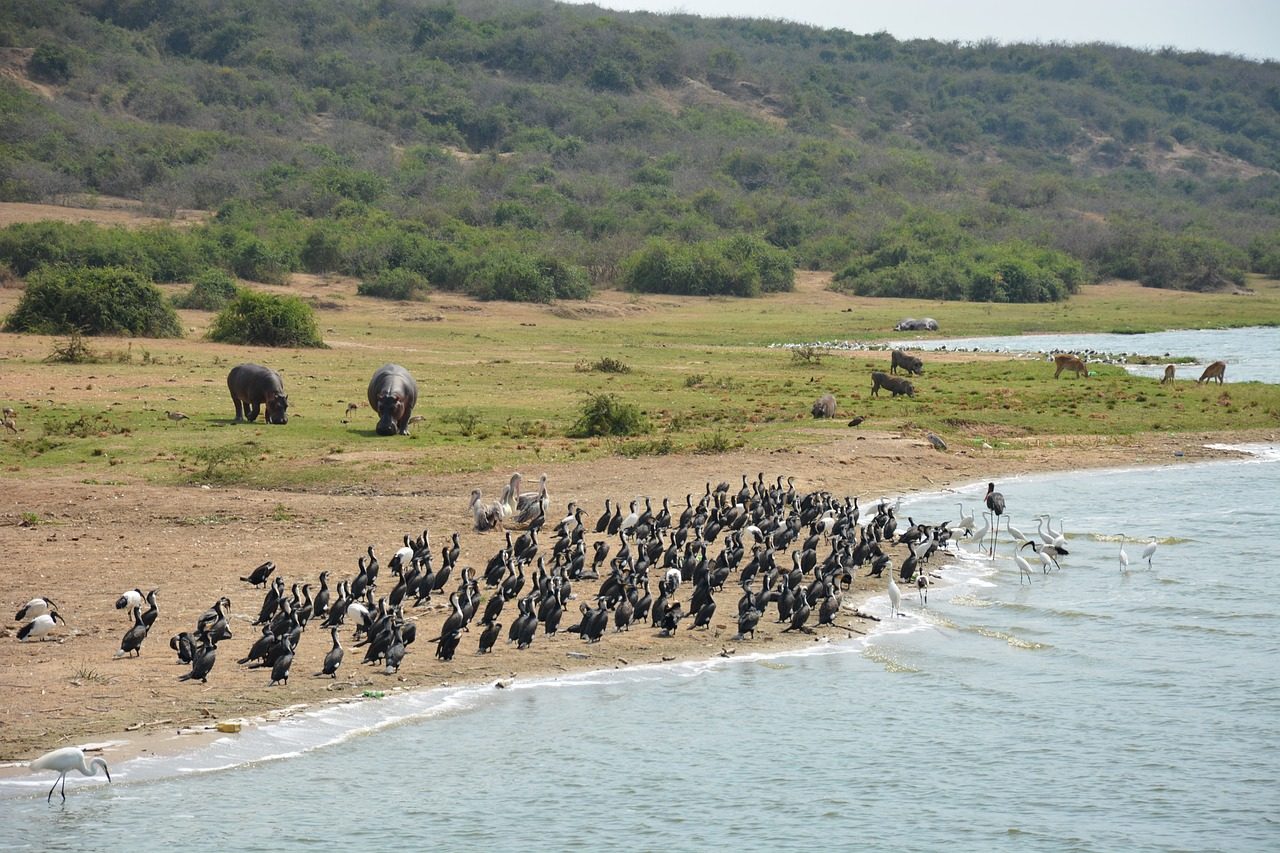
Queen Elizabeth National Park
Kazinga Channel and tree climbing lions, three to four hours north.

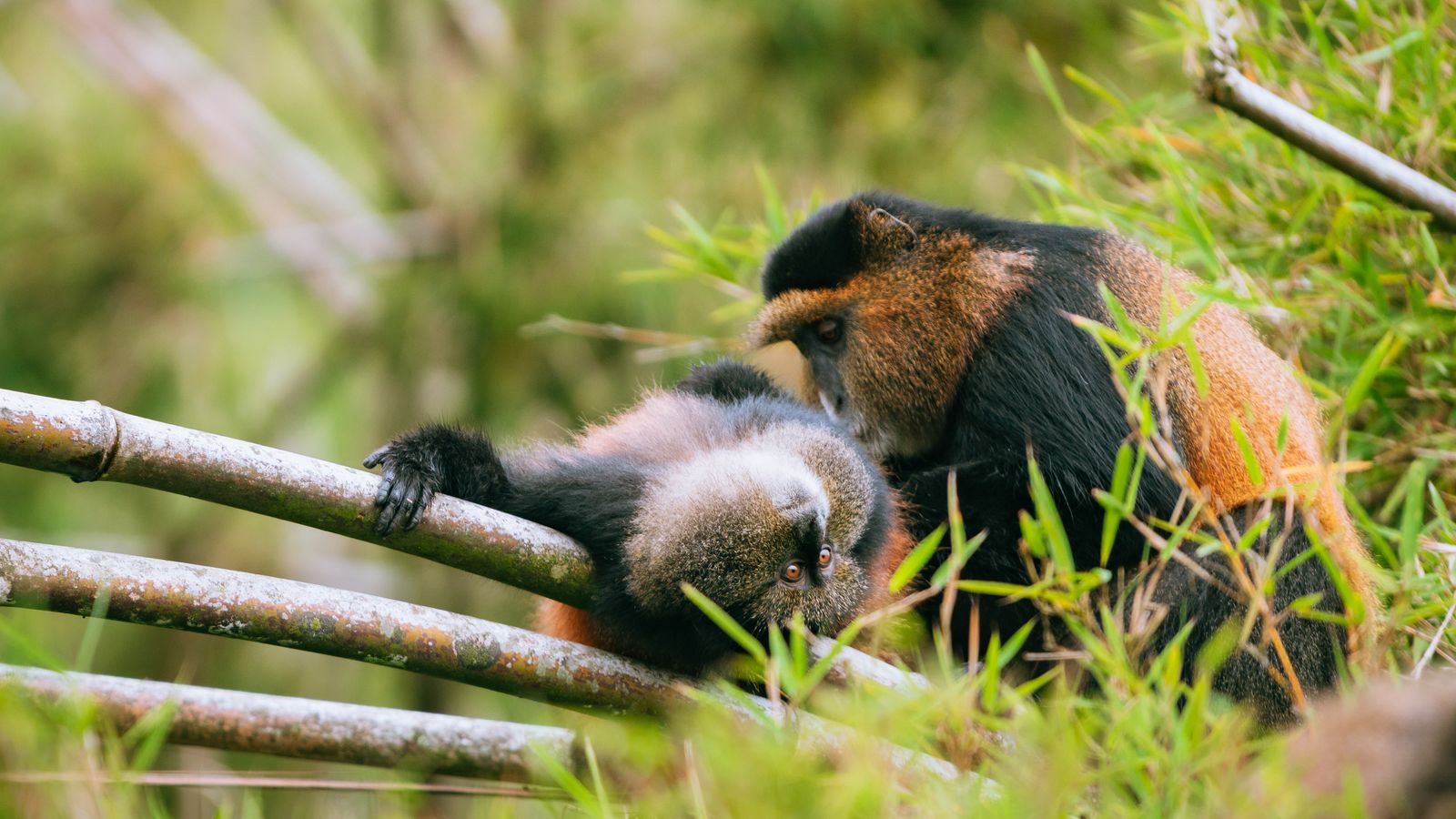
Your Bwindi Safari Starts Here
Tell us your dates and group size. We will reply within 24 hours with a tailor made proposal and a clear price.
TAILOR MADE SAFARI
Want to Know More? Talk to Us
Create an unforgettable memory with a customised Kenya or Tanzania safari. Tell us how you like to travel and our safari experts will shape the route around you, with no obligation.
Phone: +254 736 992 608
Email: info@solasafaritravels.com

