
DESTINATION GUIDE // UGANDA
Kibale National Park
The primate capital of East Africa, with thirteen species and the continent best chimpanzee tracking.
795 km2
PARK AREA
13
PRIMATE SPECIES
1,500
CHIMPANZEES
90%
TRACKING SUCCESS
320 km
FROM KAMPALA
GENERAL OVERVIEW
About Kibale National Park
Kibale covers 795 square kilometres of moist evergreen rainforest and grassland in western Uganda, running south from Fort Portal towards Queen Elizabeth National Park, with which it shares a wildlife corridor. It was gazetted in 1993 and sits between 1,100 and 1,590 metres, which is why the forest changes so noticeably as you drive through it.
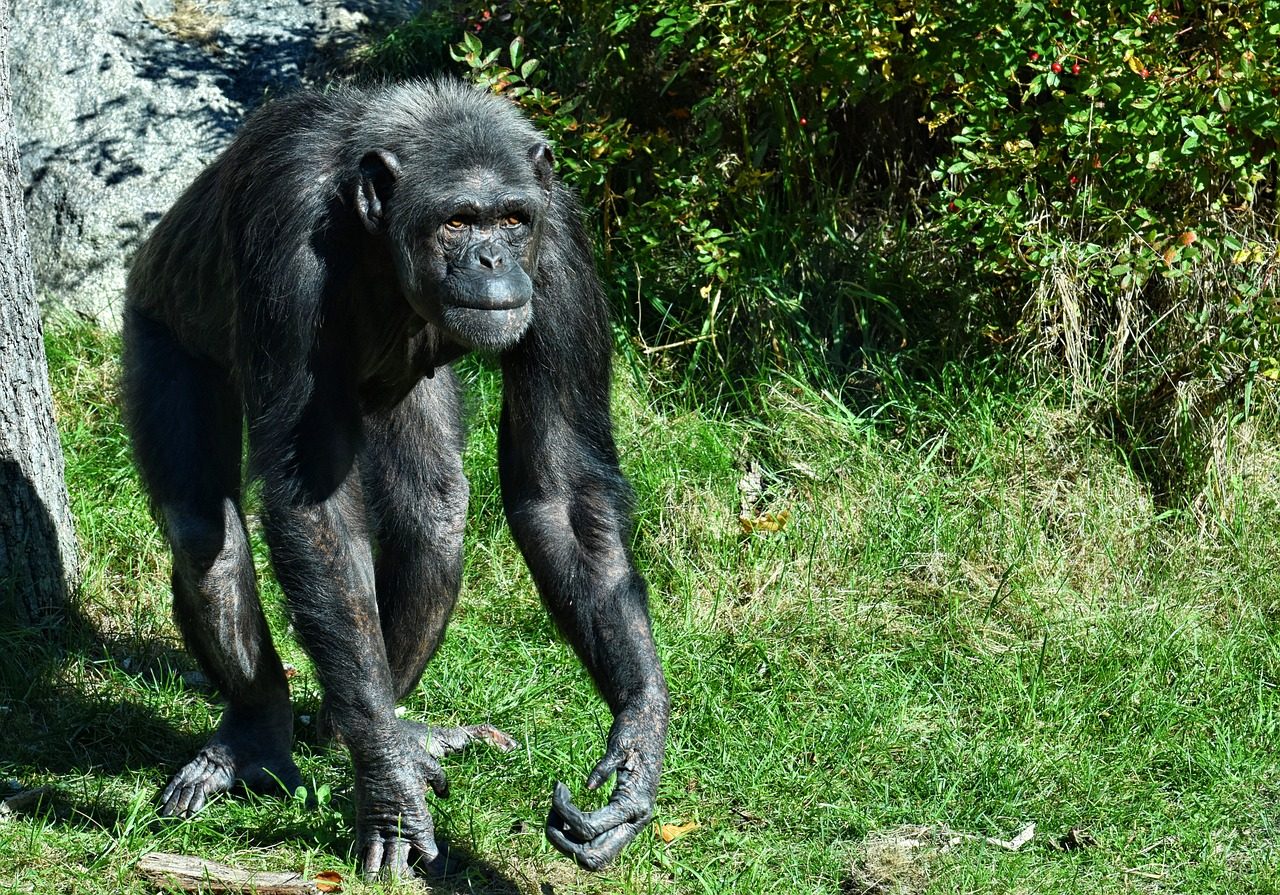
It holds thirteen primate species, the highest concentration in East Africa, and around 1,500 chimpanzees. The Kanyanchu community has been habituated since 1993 and is the most reliably viewed chimpanzee group in Uganda.
Kibale is also unusually easy. The trekking is flat compared with Bwindi, the drive from Entebbe is a manageable five to six hours, and Fort Portal on its doorstep is one of the more pleasant towns in the country. For travellers who want primates without a mountain, this is the park.
CHIMPANZEE TRACKING
How Tracking Works Here
Treks leave Kanyanchu Visitor Centre at 8am and 2pm in groups of six, with a maximum of one hour once the chimps are found. Walking is generally one to three hours on flat, well cut trails through the forest.
Sighting rates run at around 90 per cent, which is as good as it gets with chimpanzees. Kanyanchu is a large, well studied community and the trackers know the ranging patterns intimately.
Chimpanzee habituation. A full day from 6am to 7pm with researchers and a community still in habituation, following them from their night nests until they build new ones. Small groups, long hours and by far the deeper experience. It runs mainly in the low season months of March, April, May and November.
Minimum age is twelve for tracking and sixteen for habituation.
PERMITS AND FEES
What You Pay
A chimpanzee tracking permit for foreign non-residents is 250 US dollars in peak season, reduced to 200 dollars in the low season months of April, May and November. Foreign residents pay 200 and 150 respectively.
The chimpanzee habituation experience costs 300 dollars for foreign non-residents.
Permits are issued by the Uganda Wildlife Authority for a specific date and session and include park entry for that day. They should be booked two to three months ahead in peak season, though Kibale is easier to secure at short notice than a gorilla permit.
The Bigodi Wetland Sanctuary walk on the park boundary is charged separately at around 30 dollars and is run by the local community association rather than UWA.
WILDLIFE AND LANDSCAPES
What Lives In The Forest
Primates. Thirteen species. Alongside the chimpanzees are red colobus, which is endangered and locally abundant here, black and white colobus, grey cheeked mangabey, red tailed monkey, blue monkey, L’Hoest’s monkey, olive baboon, vervet, bushbaby, potto and the rarely seen Uganda mangabey.
Mammals. Forest elephant, which are smaller and hairier than savannah elephant, buffalo, bushpig, giant forest hog, duikers, golden cat and, at night, civet and genet.
Birds. Around 375 species including the green breasted pitta, which is the single most sought after bird in Uganda, plus African grey parrot, black bee-eater, blue headed sunbird and the papyrus specialities at Bigodi.
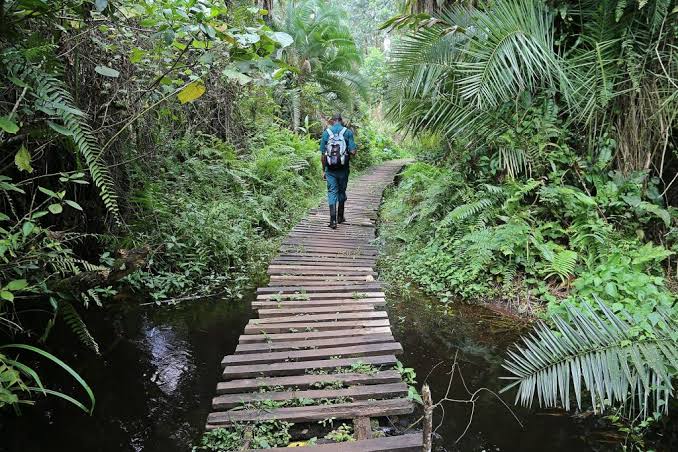
Terrain. Tall closed canopy forest in the centre grading into swamp, grassland and woodland at the edges. Trails are flat and well maintained, which is a large part of the appeal.
THINGS TO DO
Activities In And Around Kibale
Bigodi Wetland Sanctuary. A community run boardwalk and trail through papyrus swamp on the park edge, excellent for the smaller primates and around 200 bird species. Two to three hours and one of the best community tourism projects in Uganda.
Night walks. Leaving at 7.30pm for potto, bushbaby, civet, genet and nightjars. Kibale is one of the few Ugandan parks that allows them.
Birding walks. Dedicated guides work the Kanyanchu trails at dawn for the green breasted pitta, which needs an early start and patience.
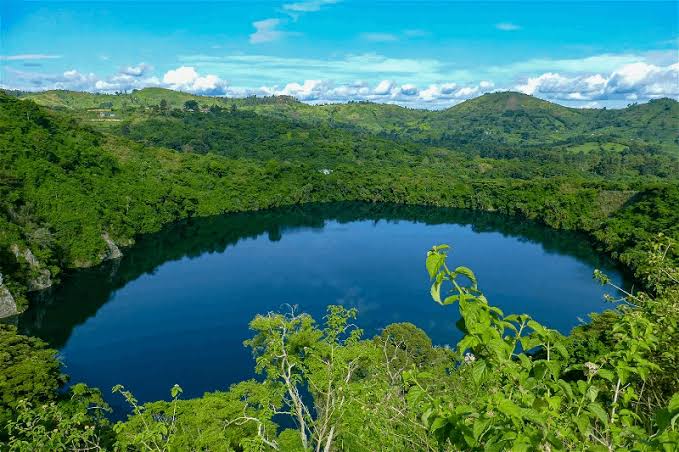
Crater lakes. The Ndali-Kasenda field just north of the park holds around thirty explosion craters, several with lodges on their rims. Walking and cycling routes link them.
Amabere caves and Fort Portal. Limestone formations, a waterfall and the Toro Kingdom palace, all within an hour.
BEST TIME TO VISIT
When To Go
June to September and December to February, the dry seasons. The easiest trail conditions and the busiest permits. Chimps range more widely when fruit is scarce, so walks can be slightly longer.
March to May, the long rains. Wet underfoot but this is when fruiting peaks, chimps concentrate and tracking is often quicker. April and May carry the reduced 200 dollar permit, and habituation runs in these months.
October and November, the short rains. Afternoon showers with clear mornings. November also carries the discounted permit.
Kibale is rainforest, so rain is possible in any month. Unlike gorilla trekking, chimpanzee sightings are not guaranteed, but 90 per cent holds across seasons.
GETTING THERE
How To Reach The Park
By road from Entebbe or Kampala. Around 320 km to Fort Portal, five to six hours on good tarmac, then thirty to forty minutes south to Kanyanchu.
From Queen Elizabeth. Two to three hours north through the crater lake country, the standard link on a western circuit.
From Bwindi. Five to six hours, usually with a night in Queen Elizabeth on the way.
By air. Scheduled flights run from Entebbe to Kasese in about an hour, then two hours by road, or to Fort Portal when demand allows.
Because the morning trek starts at 8am, most travellers sleep at Kanyanchu or in the crater lakes area rather than in Fort Portal town.
WHERE TO STAY
Lodges And Camps
Kyaninga Lodge. Hand built log cabins on a crater rim near Fort Portal, the most impressive property in the region and about forty minutes from the trailhead.
Ndali Lodge. A colonial era house on a crater ridge with wide views over the lakes, mid to upper range and full of character.
Primate Lodge Kibale. Inside the park at Kanyanchu, which means you walk to briefing. The most convenient option for early treks.
Turaco Treetops and Isunga Lodge. Comfortable mid range choices between the crater lakes and the park.
Chimpanzee Guesthouse and Kibale Forest Camp. Simple, well located budget options near Bigodi.
TRAVEL TIPS
What To Know Before You Go
Fitness. Undemanding by Ugandan standards. Flat trails and one to three hours of walking. This is the primate experience to choose if Bwindi sounds too hard.
Kit. Waterproof boots, long trousers and sleeves against nettles and safari ants, a rain jacket and insect repellent.
Safari ants. A genuine nuisance on forest trails. Tuck trousers into socks and keep moving when the guide says so.
Rules. Minimum age twelve for tracking, sixteen for habituation. Eight metre distance from the chimps, masks required, and no visiting with a cold or flu.
Photography. Chimps sit high in the canopy against bright sky. A fast lens and the ability to push ISO matter more here than reach.
Health. Malaria prophylaxis is necessary and a yellow fever certificate is required for entry to Uganda.
TOURS WITH US
Safaris With Sola Safari Travels
Kibale is the primate half of our six day western Uganda loop: chimpanzees here, the Kazinga Channel and the Ishasha lions in Queen Elizabeth, then gorillas in Bwindi. Two nights is right, which gives you a morning trek and either Bigodi or a night walk.
Permits are secured on confirmation, the Bigodi walk is booked through the community association directly, and the whole route runs in a private 4×4 with one driver guide throughout.
SAFARI PACKAGES
Safaris That Include Kibale
Kibale is the primate stop on a western Uganda circuit. These itineraries include it. All departures are private.
6 DAYS / 5 NIGHTS
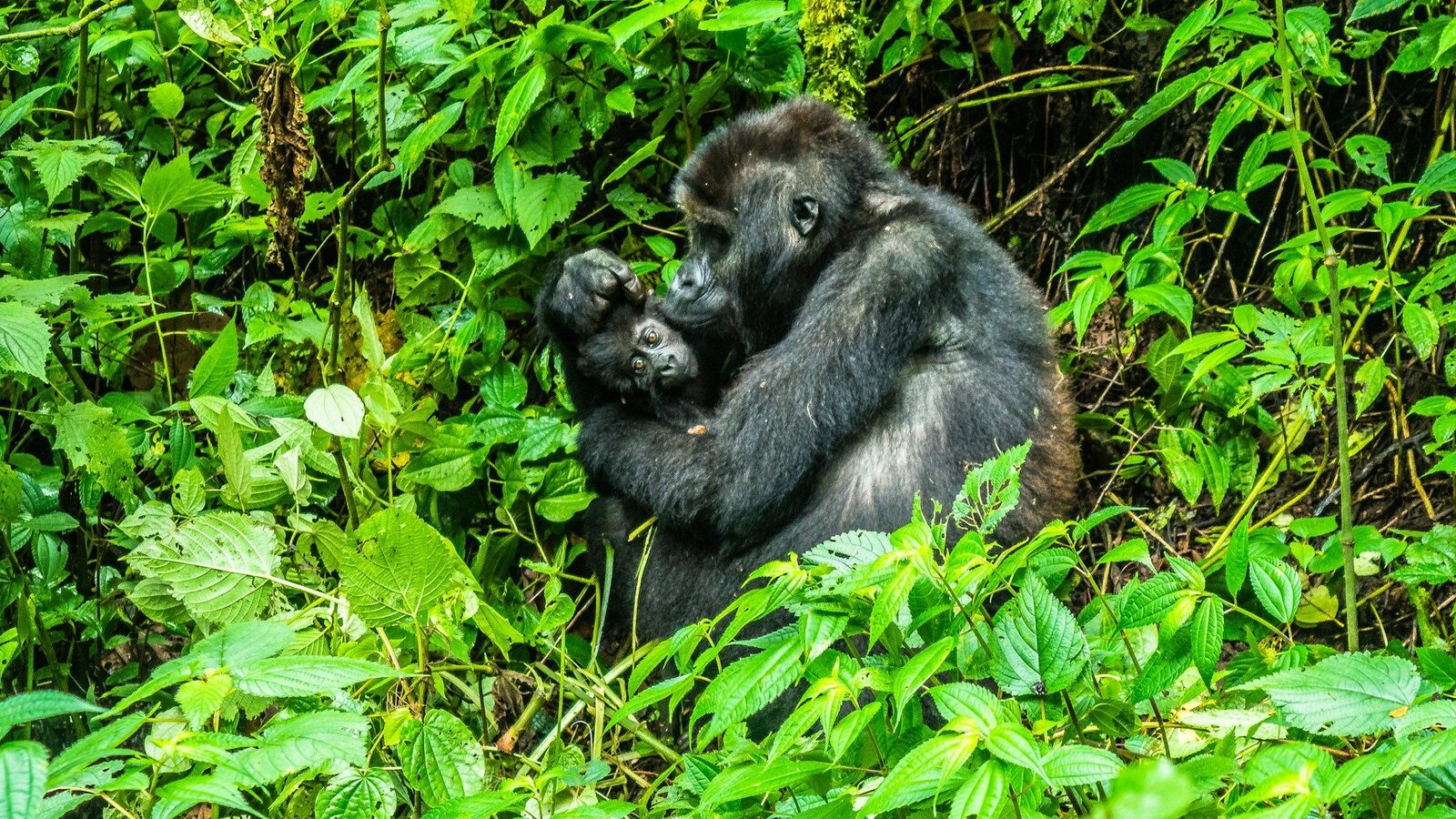
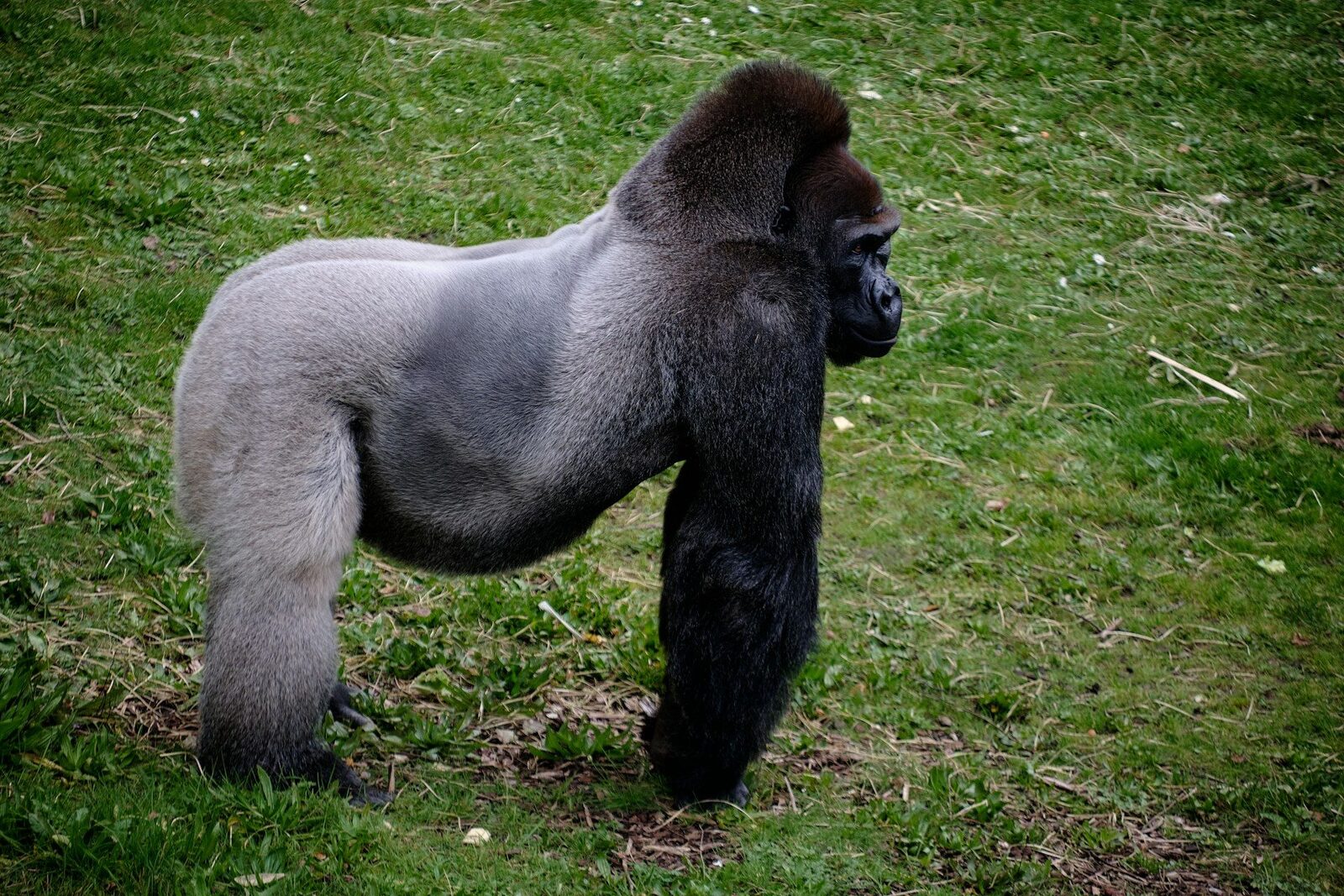
6 Days Gorillas and Chimpanzees Uganda
Gorillas in Bwindi and chimpanzees in Kibale, with Queen Elizabeth in between.
From $2,200 per person
4 DAYS / 3 NIGHTS
4 Days Uganda Gorilla Trek
Mountain gorilla trekking in Bwindi, with a night at Lake Mburo on the drive in from Entebbe.
From $1,560 per person

10 DAYS / 9 NIGHTS
10 Days Ultimate East Africa
Amboseli, the Masai Mara, the Serengeti and the Ngorongoro Crater at an unhurried pace.
From $2,360 per person
KEY QUESTIONS
Kibale Safari, Key Questions
250 US dollars for foreign non-residents in peak season and 200 dollars in April, May and November. Foreign residents pay 200 and 150. The full day habituation experience is 300 dollars. Park entry for that day is included in the permit.
Around 90 per cent of treks succeed, which is the highest rate in Uganda. Kanyanchu is a large habituated community and the trackers know its ranging patterns well. It is still wildlife, so nothing is guaranteed.
Very different. Chimps are fast, loud and often high in the canopy, so views are shorter and more chaotic than the still hour you get with gorillas. The walking is far easier, the permit is a third of the price, and you also get twelve other primate species.
A full day, roughly 6am to 7pm, with researchers following a community that is still being habituated, from their night nests until they build new ones. It costs 300 dollars, runs mainly in the low season months and takes very small groups.
Yes. It is a community run swamp boardwalk on the park boundary, good for the smaller primates and around 200 bird species, and it costs about 30 dollars. Two to three hours, and the money stays in the village.
Five to six hours on tarmac to Fort Portal, then about forty minutes to the trailhead. There are also flights to Kasese, an hour in the air and two hours by road.
EXPLORE MORE
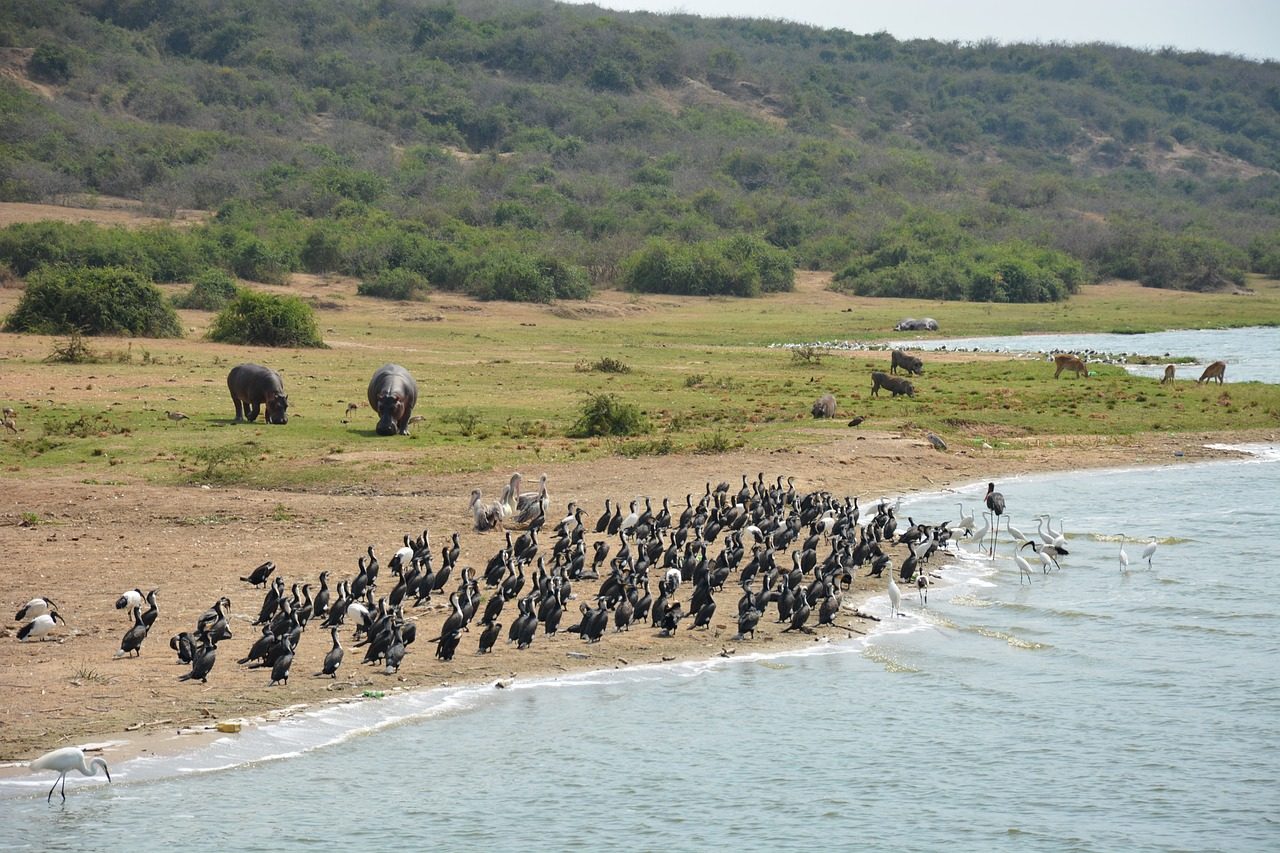
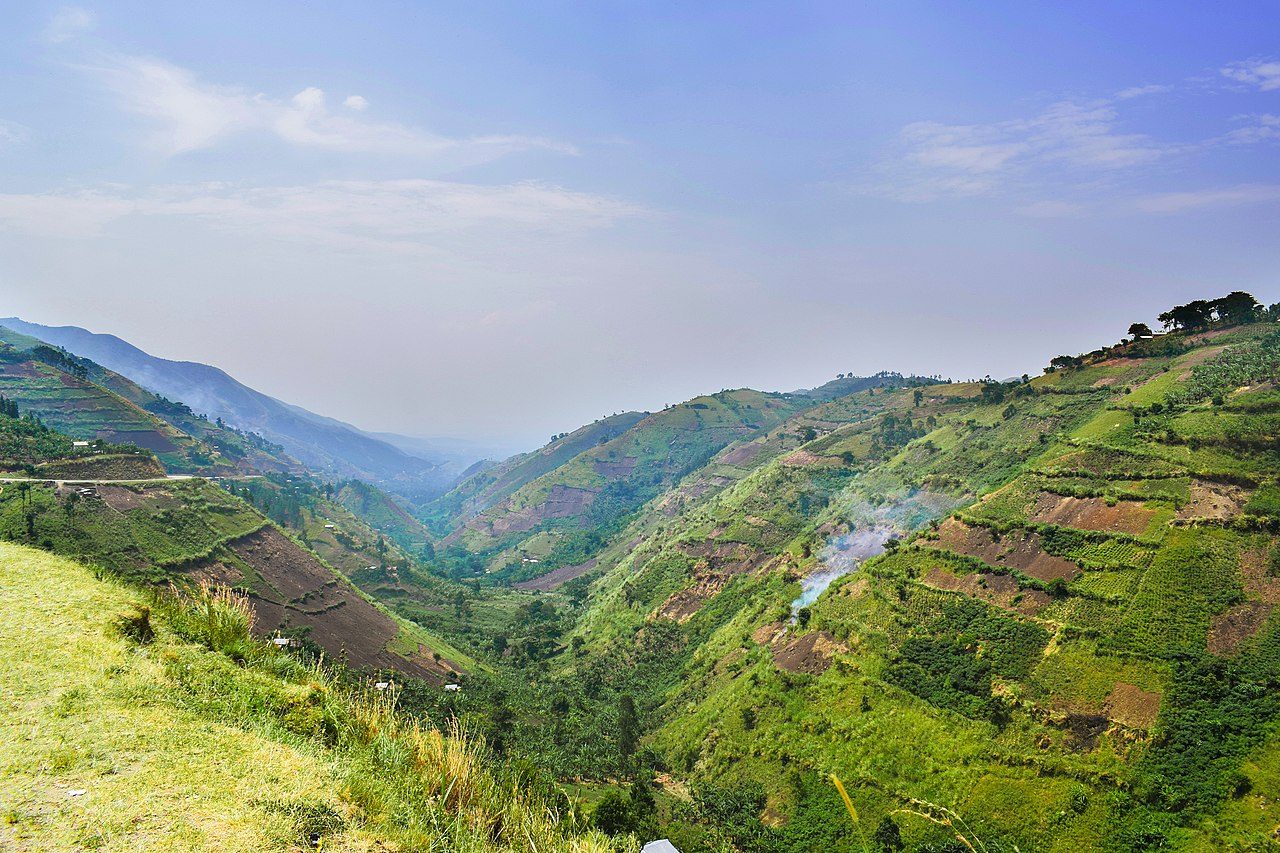
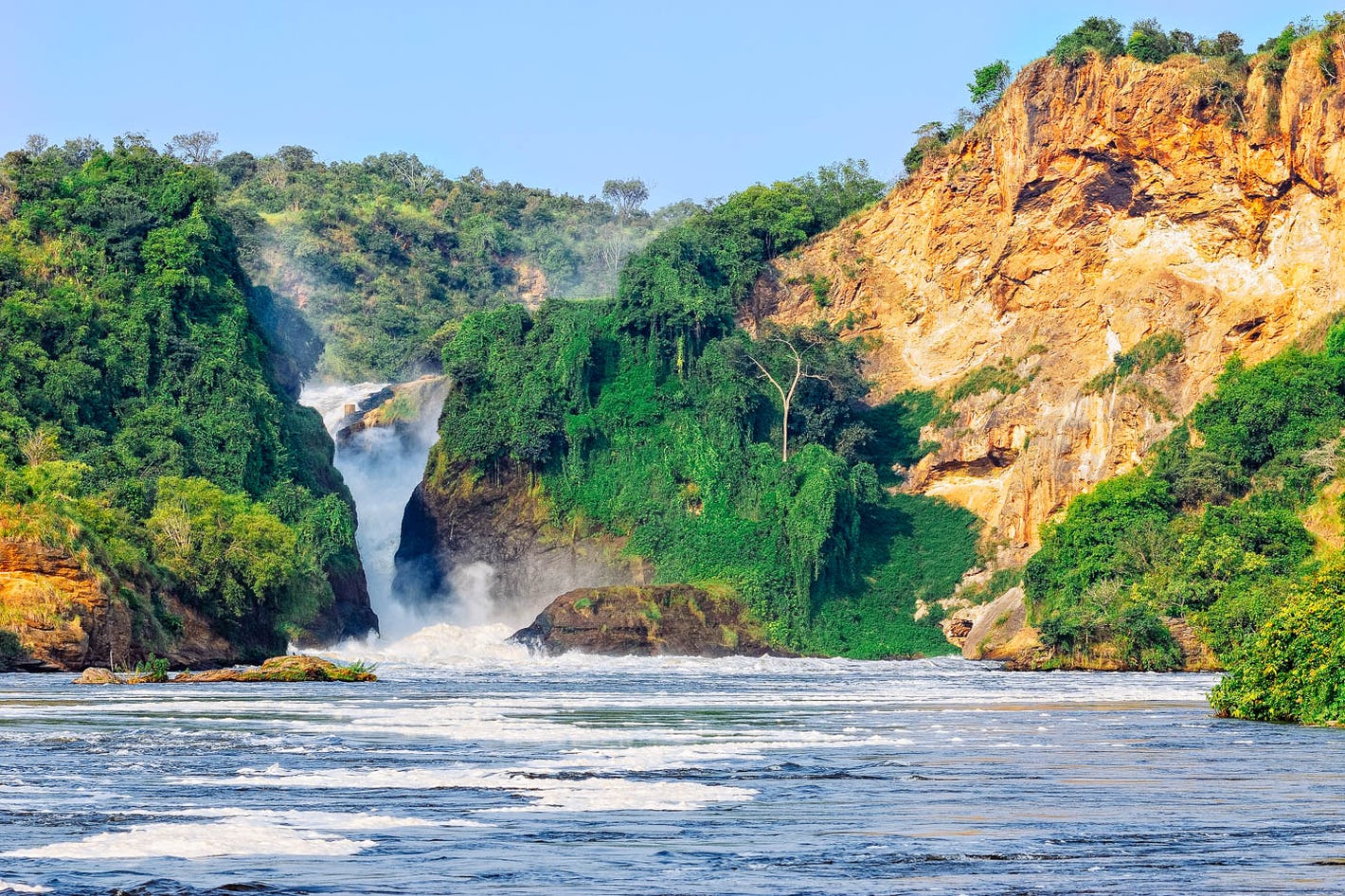
Pair Kibale With Other Destinations
The park sits at the top of the western circuit, with the savannah and the gorilla forests to the south.

Your Kibale Safari Starts Here
Tell us your dates and group size. We will reply within 24 hours with a tailor made proposal and a clear price.
TAILOR MADE SAFARI
Want to Know More? Talk to Us
Create an unforgettable memory with a customised Kenya or Tanzania safari. Tell us how you like to travel and our safari experts will shape the route around you, with no obligation.
Phone: +254 736 992 608
Email: info@solasafaritravels.com

