DESTINATION GUIDE // KENYA
Tsavo West National Park
Greener, hillier and more varied than its twin, with springs clear enough to watch hippo from below the waterline.
9,065 km2
PARK AREA
50m litres
DAILY AT MZIMA
240 km
FROM NAIROBI
Jun-Oct
BEST MONTHS
1948
ESTABLISHED
GENERAL OVERVIEW
About Tsavo West National Park
Tsavo West covers 9,065 square kilometres between the Nairobi to Mombasa highway and the Tanzanian border, forming the western half of the Tsavo ecosystem alongside Tsavo East. It was gazetted in 1948 at the same time as its neighbour, and the two together protect an area larger than Jamaica.
Where Tsavo East is flat, open and red, Tsavo West is the opposite: volcanic hills, black lava flows, dense acacia and commiphora bush, and a horizon interrupted by the Chyulu Hills to the north and Kilimanjaro to the southwest. It is often described as the more beautiful of the two and the harder one to see wildlife in, and both are fair.
The park’s outstanding feature is Mzima Springs, where around 220 million litres of water a day surface after filtering underground from the Chyulu Hills. The water is gin clear, and a submerged viewing chamber lets you watch hippo and barbel fish from below the surface.
POINTS OF INTEREST
What To See In The Park
Mzima Springs. Crystal clear pools fed by underground water from the Chyulu Hills, with a short walking trail and an underwater viewing chamber. Hippo, crocodile and shoals of barbel. The single most distinctive thing in either Tsavo park.
Shetani lava flow. A vast field of black volcanic rock from an eruption around 200 years ago. The name means devil in Swahili, which is what local communities called it at the time. There is a cave you can enter with a guide and a torch.
Chaimu Crater. A black volcanic cinder cone you can climb in about thirty minutes for wide views over the lava and the plains.
Ngulia Rhino Sanctuary. A 90 square kilometre fenced sanctuary within the park holding black rhino, with far higher sighting chances than the open park.
Lake Jipe. On the Tanzanian border in the far southwest, a shallow lake with elephants crossing between countries and exceptional birdlife.
Roaring Rocks and Poachers Lookout. Escarpment viewpoints over the plains, named for the wind through the rocks.
WILDLIFE
What Lives Here
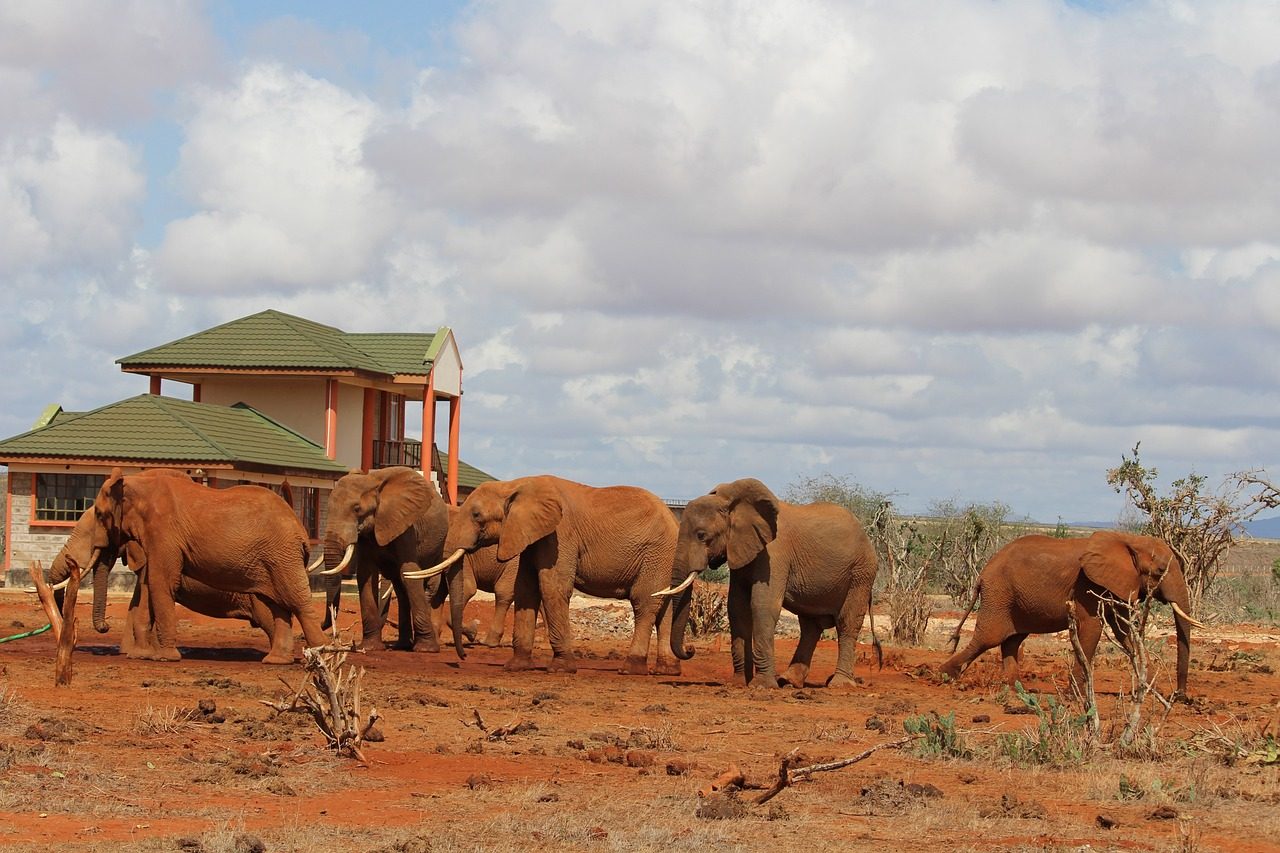
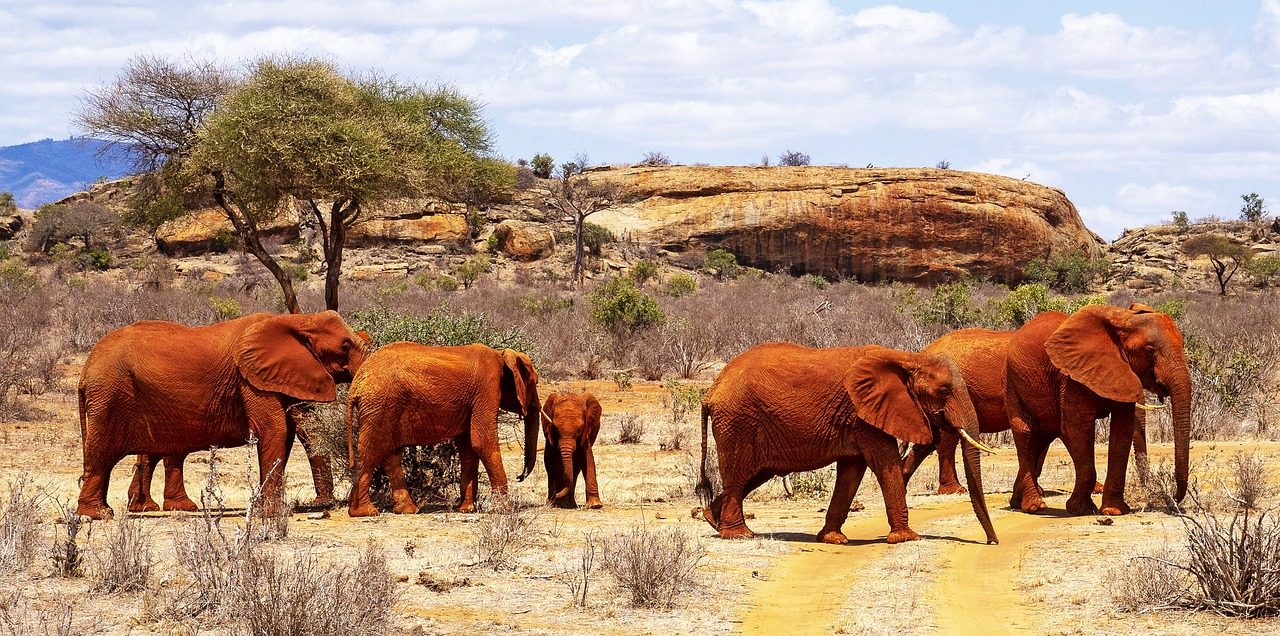
Elephant. Present in large numbers and, like their neighbours in Tsavo East, stained red by the soil. The bush is thicker here so herds appear and disappear more suddenly.
Black rhino. Best chances in the Ngulia Rhino Sanctuary, which is fenced and intensively protected. Sightings in the wider park are rare.
Lion and leopard. Both resident. The volcanic outcrops and thick bush make leopard sightings marginally more likely here than in the open east.
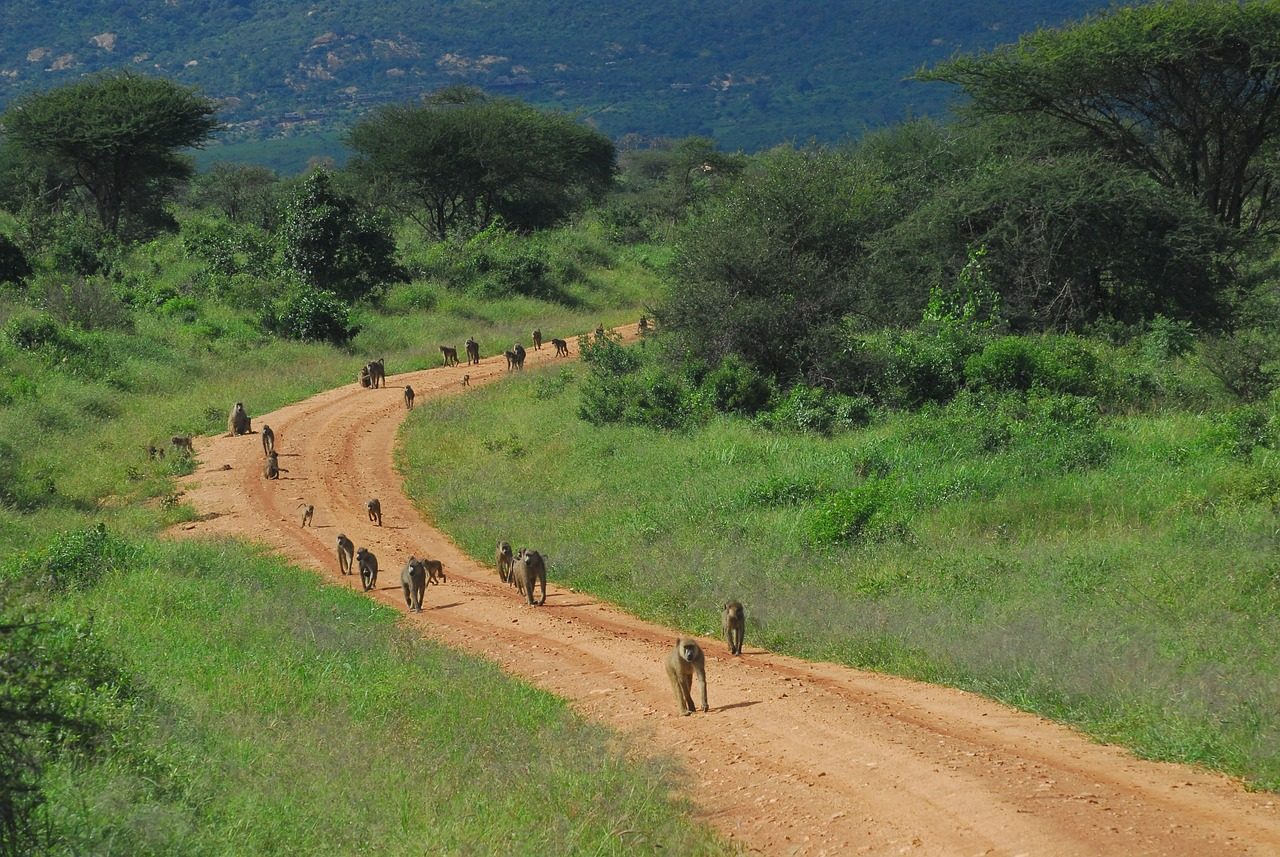
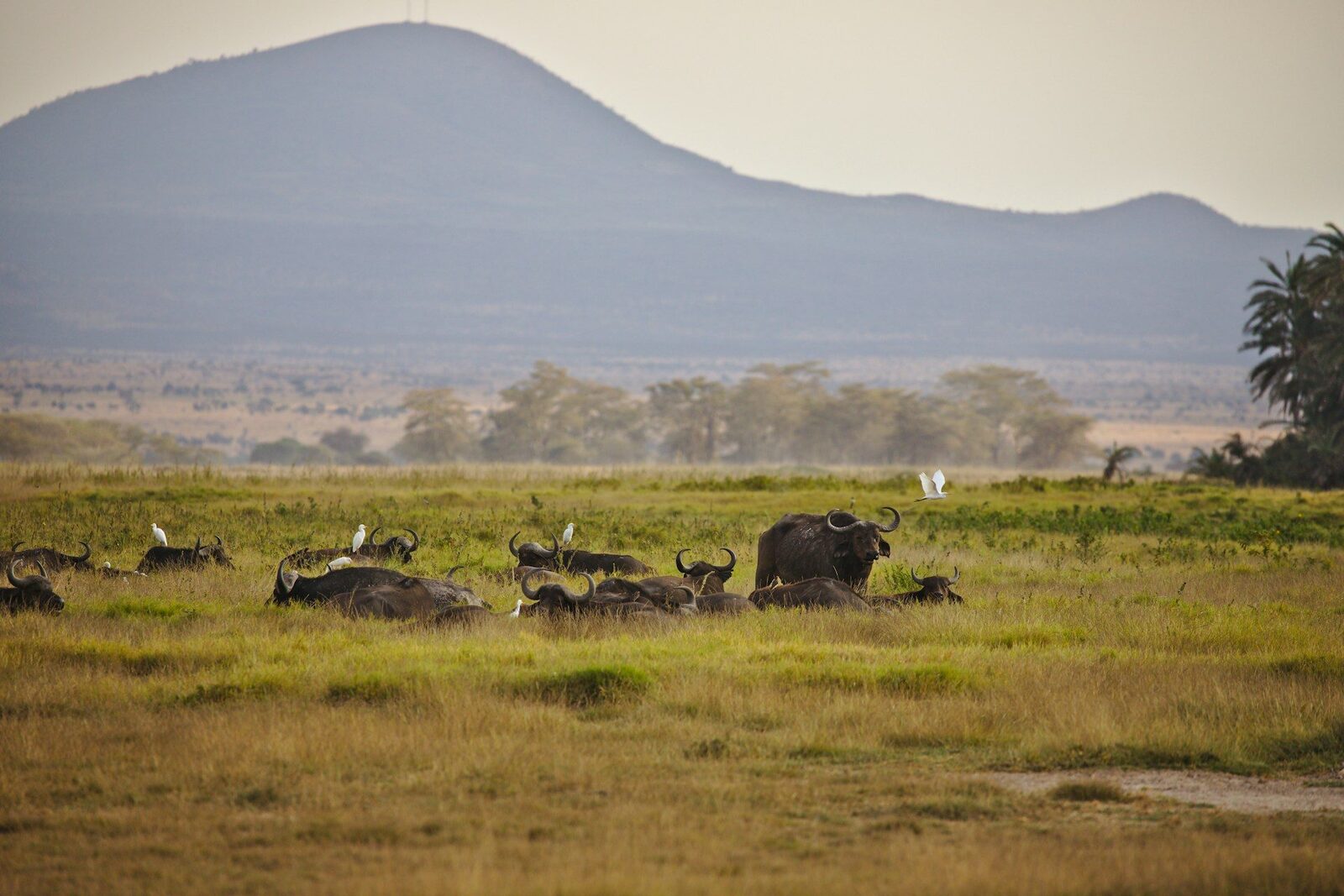
Plains game. Buffalo, Masai giraffe, zebra, eland, lesser kudu, gerenuk, impala, klipspringer on the rocky ground and hartebeest.
Hippo and crocodile. At Mzima Springs and Lake Jipe.
Birds. Around 600 species, the highest count of any Kenyan park. Ngulia is internationally significant as a migration bottleneck, and the ringing station there handles enormous numbers of Palearctic migrants between November and January.
THINGS TO DO
Activities In The Park
Game drives. The Ngulia and Kilaguni circuits in the north, the Lake Jipe road in the southwest, and the tracks around the lava flows.
Mzima Springs walk. A guided walking trail to the springs and the underwater viewing chamber, one of very few places in a Kenyan park where walking is routine.
Chaimu Crater climb. A thirty minute scramble up a volcanic cinder cone.
Shetani caves. Exploring the lava tubes with a guide and a torch.
Ngulia Rhino Sanctuary drive. A dedicated circuit inside the fenced sanctuary for the best rhino chances.
Birding at Ngulia. The migration ringing station between November and January is a serious draw for birders.
Rock climbing. On the Kichwa Tembo rocks, by arrangement with the park.
WHY VISIT
What Tsavo West Is Known For
Mzima Springs, first and foremost. Two hundred and twenty million litres a day surfacing clear enough to watch hippo underwater is not something any other Kenyan park offers, and the short walk to it is one of the few chances to be out of the vehicle.
Landscape is the second reason. Black lava, volcanic cones, the Chyulu Hills and Kilimanjaro on a clear morning give Tsavo West a drama that the flat east does not have.
The birding is the third. Six hundred species is the highest in Kenya, and the Ngulia migration bottleneck is internationally significant.
Be realistic about game viewing. The bush is thick and the wildlife is dispersed, so this is not a park for someone who wants a checklist filled quickly. It rewards patience and it rewards people who care about landscape as much as animals.
ENTRY FEES
Park Fees And Practicalities
Tsavo West sits in the Wilderness category of the Kenya Wildlife Service tariff gazetted in late September 2025 and effective for 2026.
Non-resident adults pay 80 US dollars per person per 24 hours, with children and students at roughly half. Kenyan citizens and residents pay considerably reduced rates in shillings.
Vehicle entry fees apply on top and vary by seating capacity.
All fees are paid through the eCitizen platform in advance rather than in cash at the gate.
Tsavo West and Tsavo East charge separately, so a combined visit means two sets of entry fees. Mzima Springs and the Ngulia Rhino Sanctuary are included in park entry rather than charged extra.
We prepay everything and itemise it in your quote.
BEST TIME TO VISIT
When To Go
June to October and January to February, the dry seasons. The best game viewing. The bush thins, animals concentrate at water and the roads stay firm.
November to January. The Ngulia migration season, when Palearctic migrants funnel through in huge numbers. Essential for birders and good for general wildlife too.
March to May, the long rains. The park is spectacular and the game is hard to find. The thick bush greens up completely and animals disperse. Rates drop and the landscape is at its best.
Tsavo West sits higher than Tsavo East, between about 200 and 1,000 metres in the main visitor areas, so it is a little cooler, though still hot by Kenyan standards.
GETTING THERE
How To Reach The Park
By road from Nairobi. Around 240 km to the Mtito Andei Gate on the Nairobi to Mombasa highway, four to five hours on tarmac.
Gates. Mtito Andei in the north is the main gate. Tsavo Gate is nearby. Chyulu Gate connects to Amboseli. Maktau and Ziwani gates serve the southwest and Lake Jipe.
From Amboseli. Two to three hours via the Chyulu Gate, which makes the two a natural pair.
From Tsavo East. An hour and a half between the main gates.
From Mombasa. Around four hours.
By air. Kilaguni, Ziwani and Finch Hatton’s airstrips take charter flights, with scheduled services to Kilaguni.
WHERE TO STAY
Lodges And Camps
Finch Hatton’s. Seventeen tented suites built around natural spring pools full of hippo, the most luxurious address in either Tsavo.
Kilaguni Serena Safari Lodge. The first lodge built in a Kenyan national park, above a waterhole with Kilimanjaro and the Chyulu Hills on the horizon. Long established and still excellent.
Severin Safari Camp. Tented rooms around a busy waterhole, comfortable mid to upper range.
Ngulia Safari Lodge. On the Ngulia escarpment with wide views, close to the rhino sanctuary and very good value.
Voyager Ziwani. On the western boundary by a dam, quiet and convenient for Lake Jipe.
Camping. KWS campsites at Chyulu and Kamboyo for travellers on a tight budget.
SAFETY AND TRAVEL TIPS
What To Know Before You Go
Set expectations. The bush is thick and game is dispersed. This park rewards patience and landscape appreciation more than it rewards checklists.
Mzima Springs on foot. Walking is permitted on the trail but hippo and crocodile are present. Stay on the boardwalk, keep to the guide and do not approach the water.
Heat and water. Hot year round. Carry considerably more water than you expect to drink.
Prepay through eCitizen. Cash is not accepted at the gates, and Tsavo West and East charge separately.
Lava rock. The Shetani flow and Chaimu Crater are sharp underfoot. Proper closed shoes rather than sandals.
Distances. Mzima, Ngulia and Lake Jipe are far apart. Plan two or three properly rather than all of them badly.
Malaria. Low altitude and high risk. Prophylaxis is necessary.
TOURS WITH US
Safaris With Sola Safari Travels
We pair Tsavo West with Amboseli more often than with Tsavo East, because the two to three hour drive through the Chyulu Gate links Kilimanjaro views with volcanic landscape and Mzima Springs into one strong four day trip.
Where a client wants the whole ecosystem we run Amboseli, Tsavo West and Tsavo East and finish on the coast at Diani.
Two nights is the minimum here to do Mzima, the Ngulia sanctuary and a proper game drive without rushing. eCitizen tickets are prepaid for each park separately and the trip runs in a private 4×4 with one of our own guides.
SAFARI PACKAGES
Safaris That Include Tsavo West
Tsavo West pairs naturally with Amboseli through the Chyulu Gate. All departures are private.
6 DAYS / 5 NIGHTS
6 Days Tsavo and Diani
Red elephants in Tsavo East and West, then two nights on the white sand at Diani Beach.
From $870 per person
5 DAYS / 4 NIGHTS
5 Days Kenya Wildlife Circuit
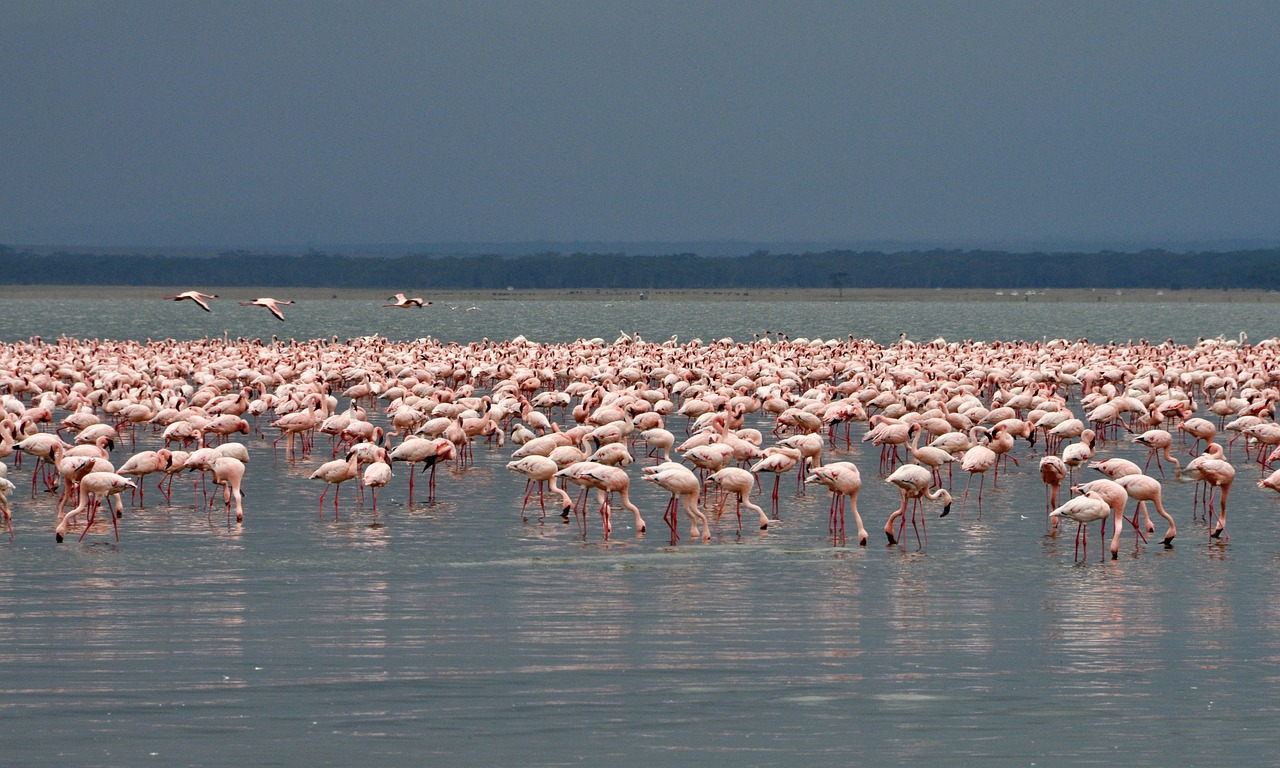
Lake Naivasha, Lake Nakuru and the Masai Mara on the classic Rift Valley circuit.
From $900 per person

10 DAYS / 9 NIGHTS
10 Days Ultimate East Africa
Amboseli, the Masai Mara, the Serengeti and the Ngorongoro Crater at an unhurried pace.
From $2,360 per person
KEY QUESTIONS
Tsavo West Safari, Key Questions
Pools fed by around 220 million litres of water a day surfacing after filtering underground from the Chyulu Hills. The water is exceptionally clear and there is a submerged viewing chamber where you can watch hippo and barbel fish from below the surface. Access is on a short guided walking trail, which is rare in a Kenyan park.
West is hillier, greener and more dramatic, with lava flows, volcanic cones and Kilimanjaro on the horizon. East is flatter, redder and more open with better general game viewing. West has Mzima Springs, the Ngulia rhino sanctuary and 600 bird species. East has the big red elephant herds and the sense of space.
80 US dollars per non-resident adult per 24 hours under the KWS tariff effective for 2026, with children and students at roughly half. Payment is through eCitizen in advance. Tsavo West and Tsavo East are charged separately.
Best chances are inside the Ngulia Rhino Sanctuary, a fenced 90 square kilometre area within the park with a dedicated game drive circuit. Sightings in the wider park are rare. Entry to the sanctuary is included in your park fee.
Honest answer: harder than Tsavo East or the Mara. The bush is thick and animals are dispersed across a very large area. If a full sightings list matters most, plan the Mara. If landscape, Mzima and birdlife appeal, Tsavo West is the better park.
Yes, and it is the natural pairing. Two to three hours through the Chyulu Gate links Amboseli’s Kilimanjaro views with Tsavo West’s volcanic landscape, and it makes a strong four or five day trip out of Nairobi.
EXPLORE MORE
Pair Tsavo West With Other Destinations
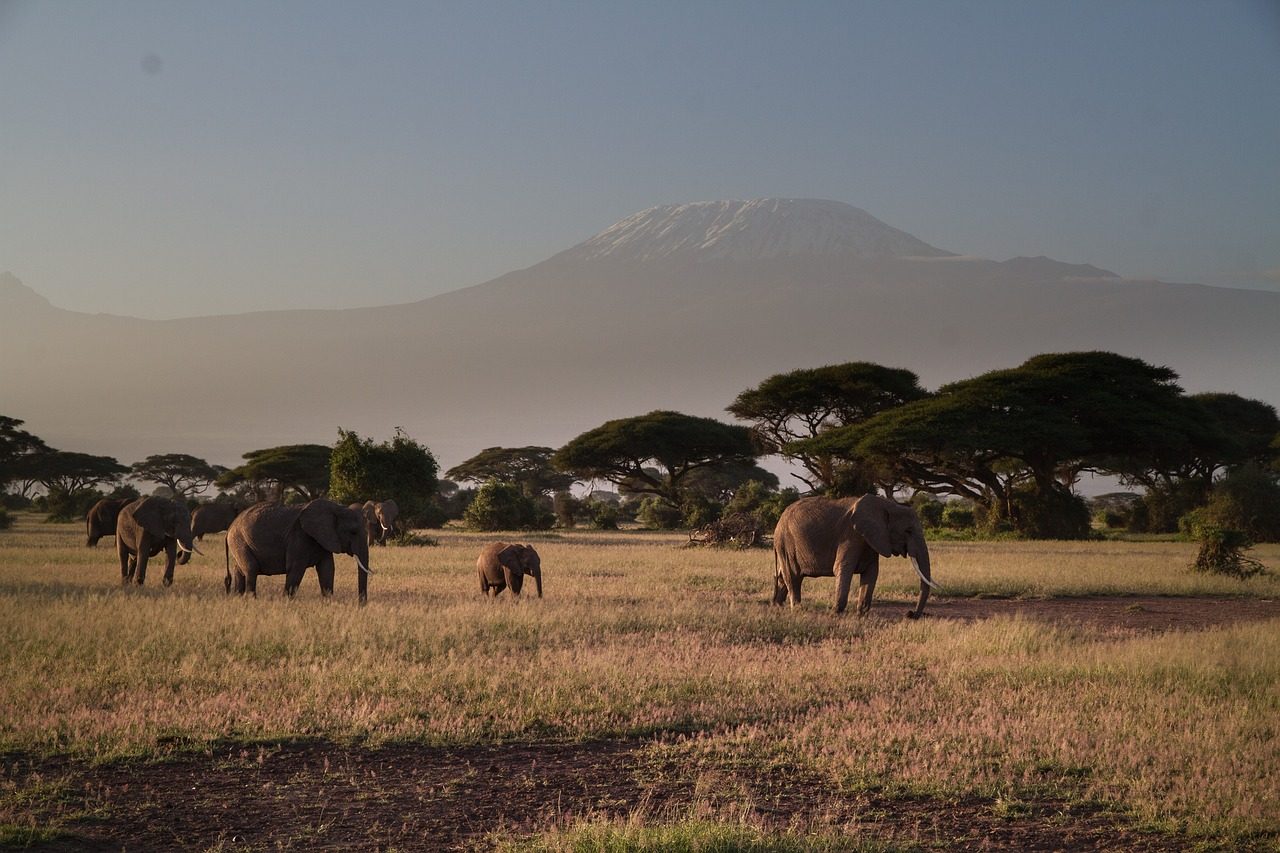
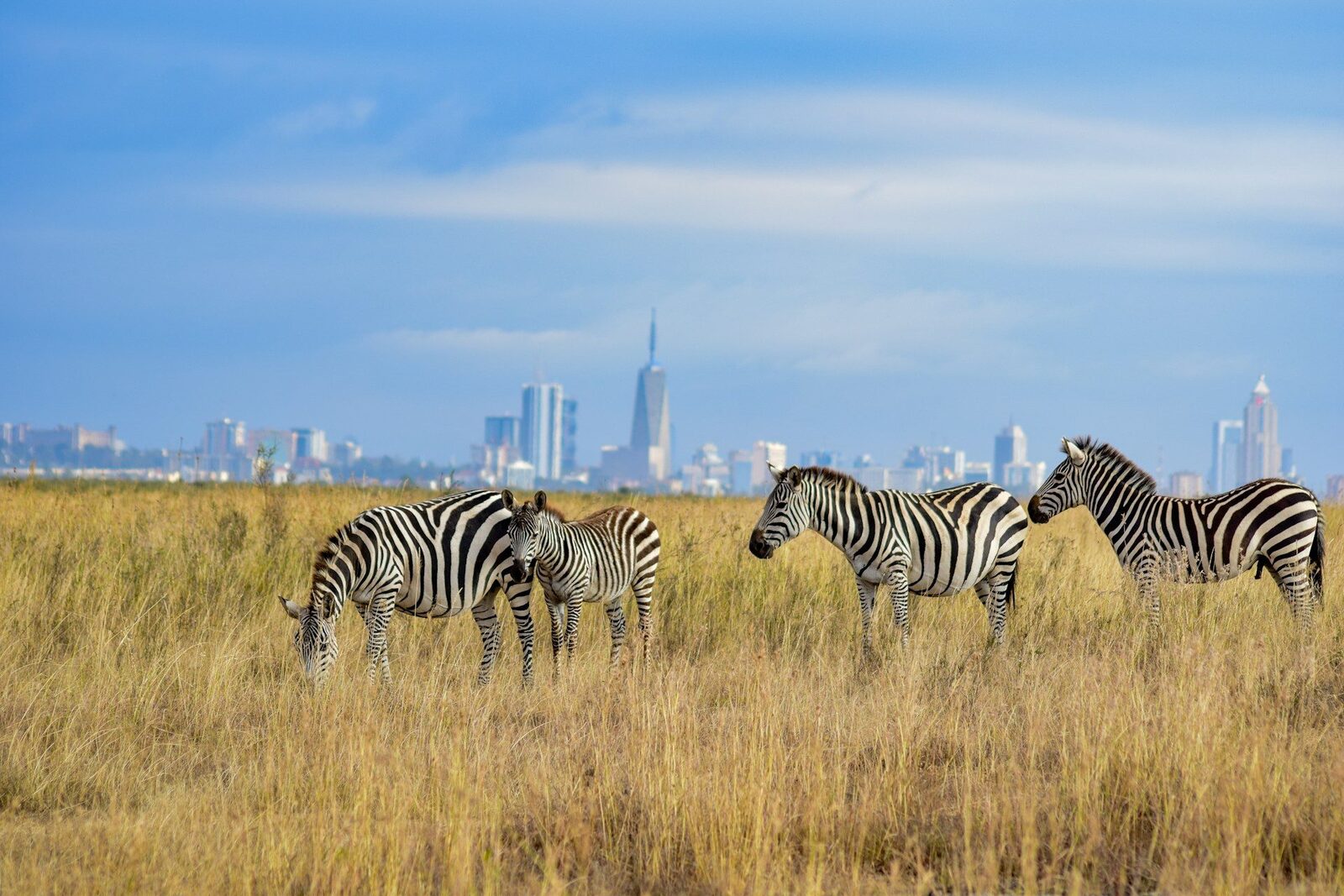
The park sits between Amboseli and the coast road, with Tsavo East on the other side of the highway.

Your Tsavo West Safari Starts Here
Tell us your dates and group size. We will reply within 24 hours with a tailor made proposal and a clear price.
TAILOR MADE SAFARI
Want to Know More? Talk to Us
Create an unforgettable memory with a customised Kenya or Tanzania safari. Tell us how you like to travel and our safari experts will shape the route around you, with no obligation.
Phone: +254 736 992 608
Email: info@solasafaritravels.com

