DESTINATION GUIDE // KENYA
Lake Nakuru National Park
A soda lake ringed by flamingos, fenced against poachers and the surest place in Kenya to see both black and white rhino.
188 km2
PARK AREA
Both
RHINO SPECIES
450+
BIRD SPECIES
160 km
FROM NAIROBI
Year round
GOOD VIEWING
GENERAL OVERVIEW
About Lake Nakuru National Park
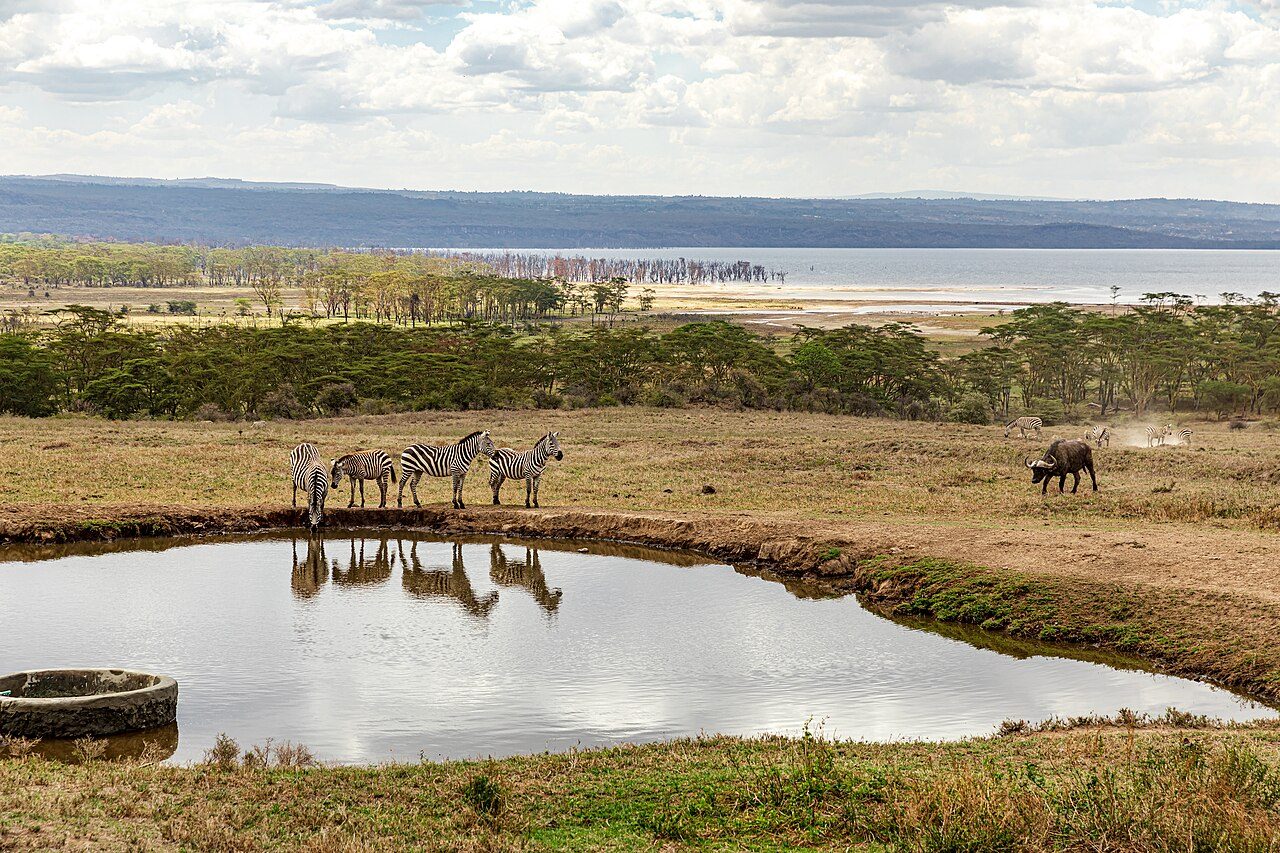
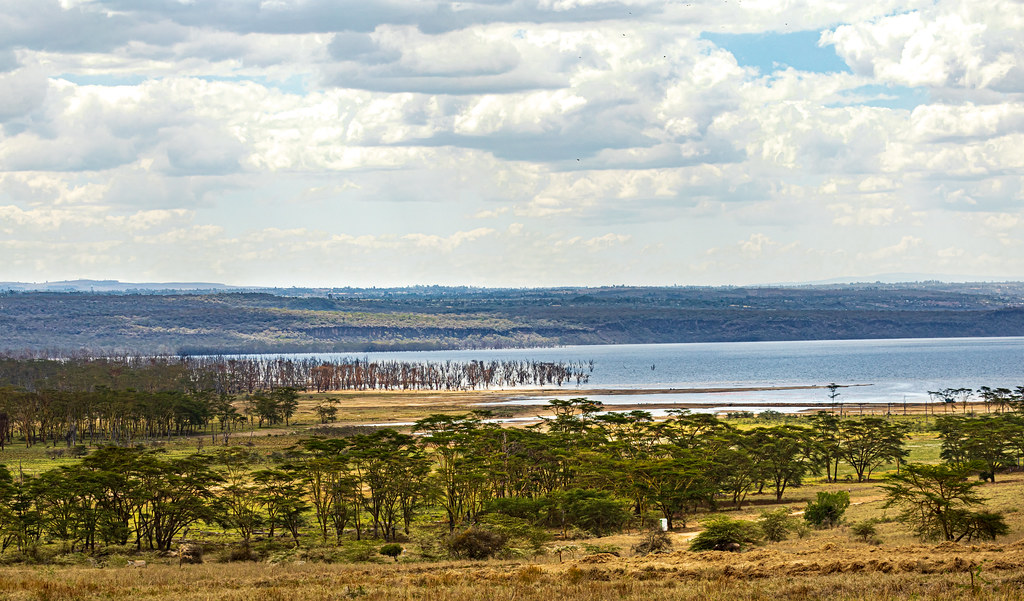
Lake Nakuru sits in the floor of the Great Rift Valley about 160 kilometres northwest of Nairobi, wrapped around a shallow alkaline lake that gives the park its name and its character. The park covers 188 square kilometres and was gazetted in 1961, originally as a bird sanctuary.
It is fully fenced, which is unusual in Kenya and deliberate. The fence makes Nakuru one of the country’s most important rhino sanctuaries, holding both black and white rhino in numbers that make sightings genuinely likely rather than lucky.
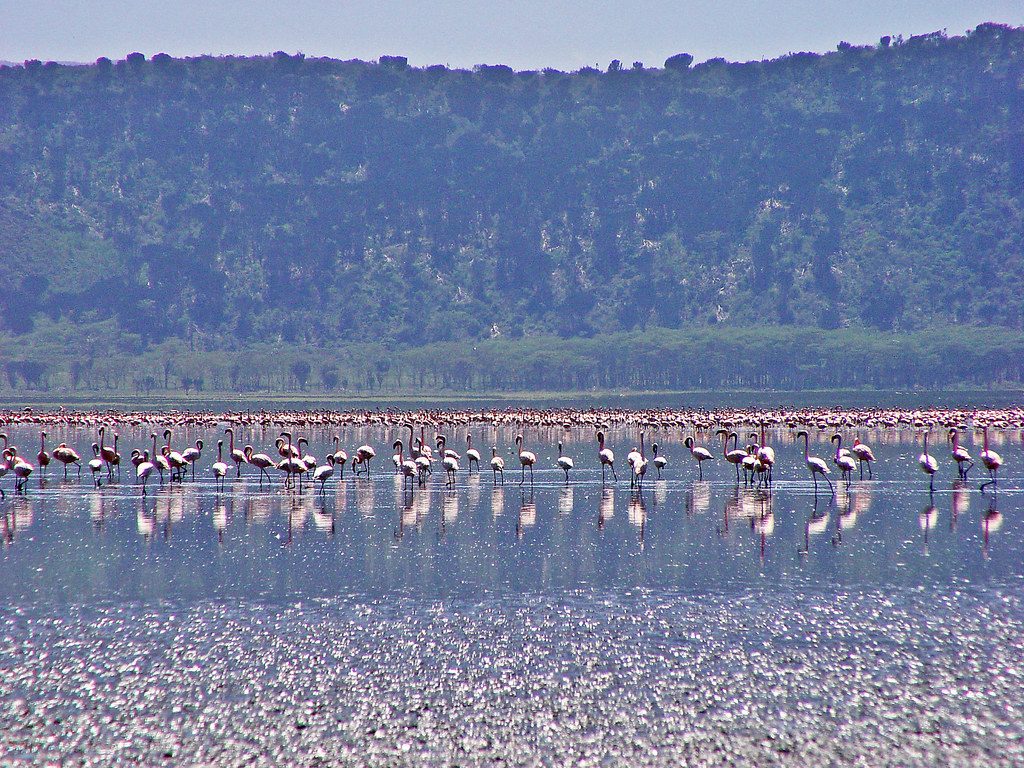
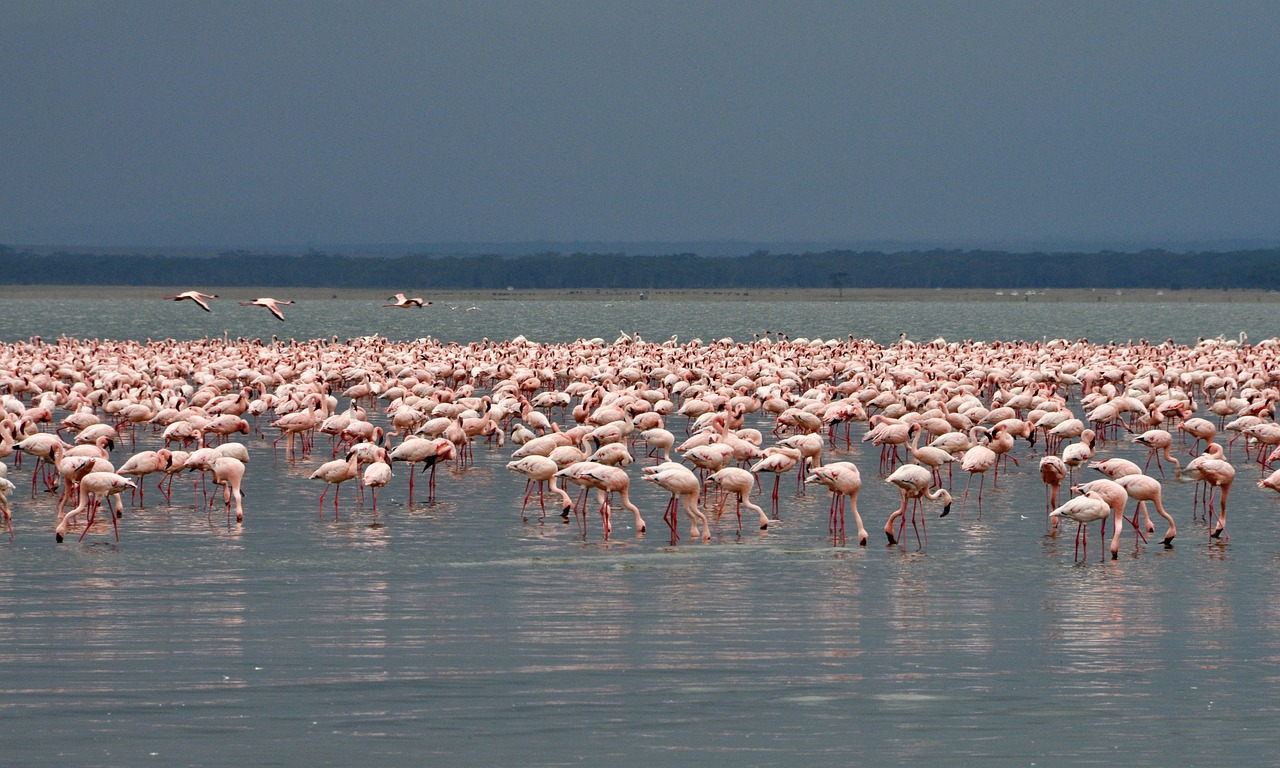
The lake itself is famous for flamingos, and this needs an honest caveat. Rising water levels since around 2010 have diluted the alkalinity that feeds the algae flamingos eat, and the enormous flocks the park was known for have largely moved to Lake Bogoria and Lake Elmenteita. Flamingos are still present in variable numbers, but the picture in the old photographs is not what you will see.
What you get instead is rhino, Rothschild’s giraffe, lion, a yellow fever acacia forest and 450 bird species, all within three hours of Nairobi.
WILDLIFE AND LANDSCAPES
Species And Terrain
Rhino. Both species. White rhino graze the open lakeshore grassland and are seen easily. Black rhino are in the denser bush and take more patience. This is one of the highest rhino densities in Kenya.
Rothschild’s giraffe. Translocated here in 1977 to protect an endangered subspecies, recognisable by their pale, unmarked lower legs. Nakuru is one of the most reliable places to see them.
Lion and leopard. Both resident. The lions here are sometimes seen in trees, particularly in the yellow fever acacia forest, though not as habitually as at Lake Manyara.
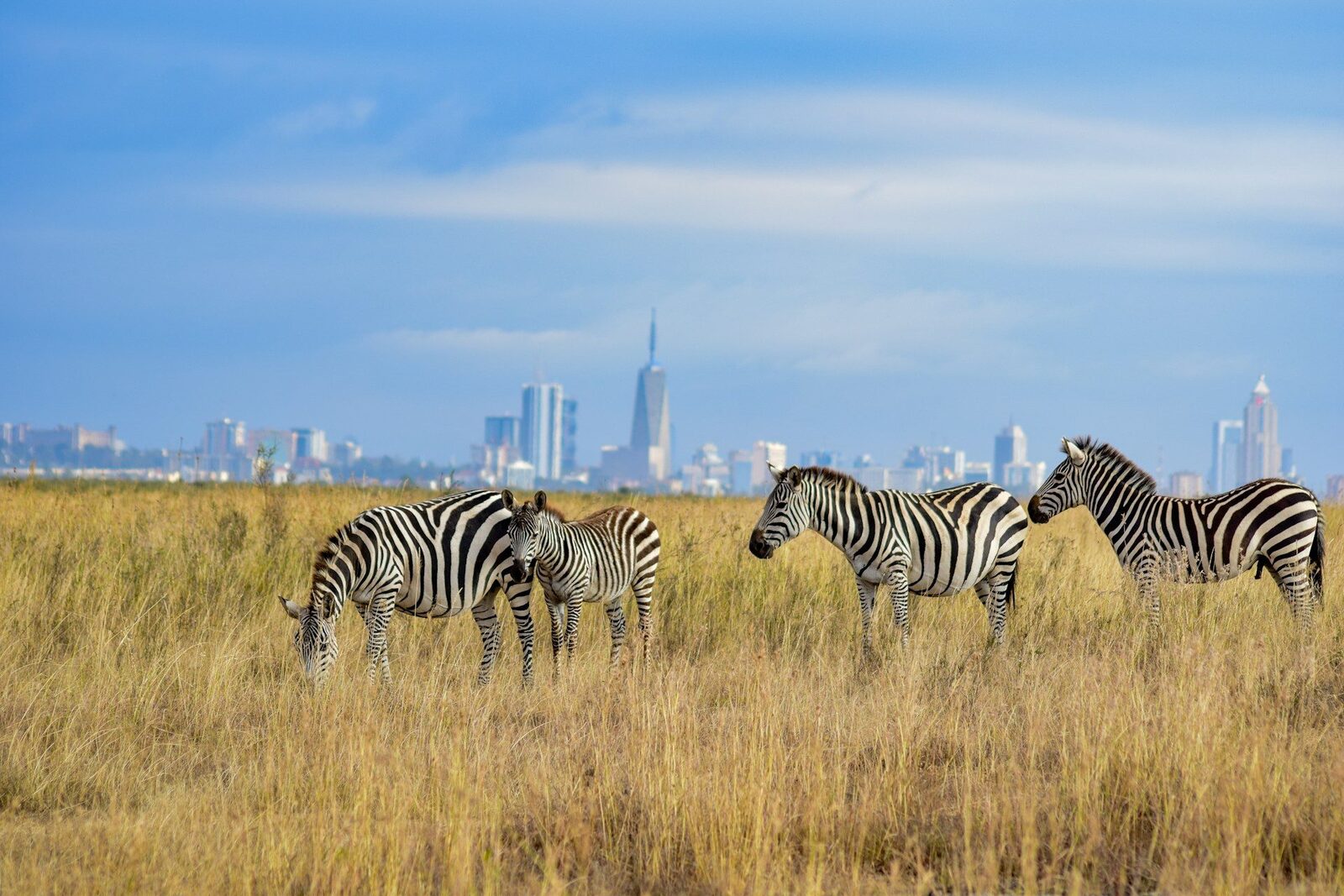
Plains game. Buffalo, waterbuck, impala, zebra, eland, warthog and the endangered Rothschild’s giraffe. Also large troops of olive baboon and black and white colobus in the forest.
Birds. Around 450 species. Great white pelican in large numbers, African fish eagle, goliath heron, and the flamingos in whatever numbers the water chemistry allows that year.
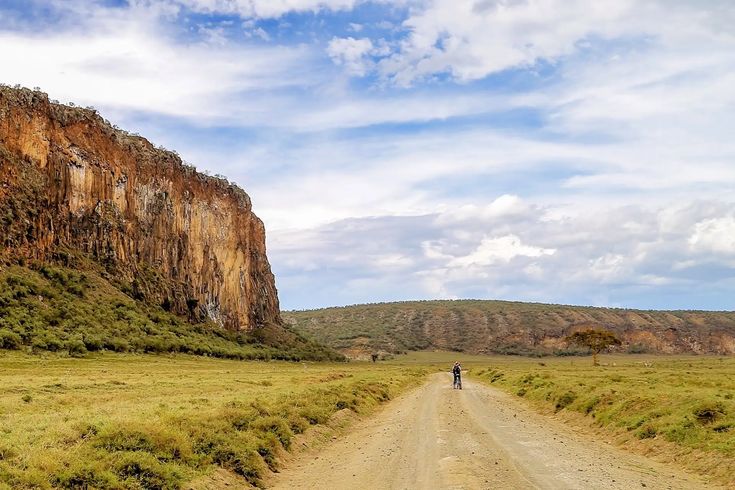
Terrain. Lakeshore grassland, yellow fever acacia forest, euphorbia forest on the eastern escarpment and the Baboon Cliff and Out of Africa viewpoints above.
THINGS TO DO
Activities In The Park
Game drives. The lakeshore circuit for rhino, giraffe and pelican, and the higher escarpment roads for the views and the euphorbia forest.
Baboon Cliff and Out of Africa viewpoints. Both give the wide view down over the lake and the park, and both are worth timing for late afternoon light.
Makalia Falls. A seasonal waterfall at the southern end of the park, best after rain.
Rhino tracking on foot. Available with KWS rangers by arrangement, which is a very different experience to seeing them from a vehicle.
Birding. The lakeshore, the Njoro river mouth and the acacia forest hold quite different species lists.
Nearby. Hell’s Gate and Lake Naivasha are an hour south, and Lake Bogoria, which now holds the large flamingo flocks, is about two hours north.
WHY VISIT
What Lake Nakuru Is Known For
Rhino, straightforwardly. The fence that makes this park unusual is what makes it work as a sanctuary, and the density of both black and white rhino is among the best in Kenya. For travellers who want the Big Five and have limited time, Nakuru does more of the heavy lifting than any other Kenyan park.
Rothschild’s giraffe are the second draw, and Nakuru is where the subspecies was brought back from the edge.
The setting is the third. A soda lake ringed by acacia forest with escarpment cliffs above it looks quite unlike the open plains of the Mara, which makes it a genuine change of scene on a longer circuit.
On flamingos, be realistic. Water levels have risen since 2010 and the great flocks have largely relocated. You may see hundreds, occasionally thousands, but the million bird spectacle belongs to the archive and to Lake Bogoria now.
ENTRY FEES
Park Fees And Practicalities
Lake Nakuru sits in the Premium category of the new Kenya Wildlife Service tariff gazetted in late September 2025 and effective for 2026, the first major revision in nearly eighteen years.
Non-resident adults pay 90 US dollars per person per 24 hours, the highest of the KWS parks, with children and students at roughly half. Kenyan citizens and residents pay substantially reduced rates in shillings.
Vehicle entry fees apply on top and vary by seating capacity.
All fees are paid through the eCitizen platform in advance. Cash is no longer accepted at the gate, which is the most common problem independent travellers encounter.
Ranger led rhino tracking on foot is arranged and charged separately. We prepay everything and itemise it in your quote.
BEST TIME TO VISIT
When To Go
July to October and January to February, the dry seasons. The best game viewing, with animals concentrated near the lake and firm roads throughout.
March to May, the long rains. Green, quiet and cheaper. Some lakeshore tracks flood and the black cotton soil becomes difficult.
November and December, the short rains. Afternoon storms with usable mornings and good birding as migrants arrive.
For flamingos. There is no reliable season. Numbers depend on water level and alkalinity rather than the calendar, and both have been unfavourable since around 2010. No honest operator will promise them.
Nakuru sits at 1,750 metres, so mornings are cool and the midday heat is manageable.
GETTING THERE
How To Reach The Park
By road from Nairobi. Around 160 km, two and a half to three hours via the Nakuru highway, mostly good tarmac with the descent into the Rift Valley on the way.
Gates. The Main Gate at Nakuru town is the busiest and most convenient. Lanet Gate on the eastern side avoids the town. Nderit Gate in the south serves the Makalia Falls area.
From Lake Naivasha and Hell’s Gate. About an hour and a half, which is why the three are usually combined.
From the Masai Mara. Four to five hours, a common link on a Kenyan circuit.
By air. Naishi airstrip inside the park takes charter flights, and there are scheduled services to Nakuru town.
A 4×4 is advisable and essential in the rains, since much of the lakeshore is black cotton soil.
WHERE TO STAY
Lodges And Camps
The Cliff Nakuru. Ten glass fronted tents on the escarpment above the lake, the most striking property in the area.
Sarova Lion Hill Game Lodge. Inside the park on the eastern hillside with lake views, mid to upper range and long established.
Lake Nakuru Sopa Lodge. On a ridge in the southern part of the park with wide views, comfortable and family friendly.
Flamingo Hill Camp. Tented rooms inside the park, smaller and more intimate than the lodges.
Nakuru town. A wide range of budget and mid range hotels ten minutes from the Main Gate, considerably cheaper than staying inside.
One or two nights is the norm. The park is small enough to cover thoroughly in a single full day.
SAFETY AND TRAVEL TIPS
What To Know Before You Go
Prepay through eCitizen. Cash is not accepted at the gate. Buy tickets on the KWS platform before you travel.
Manage flamingo expectations. Numbers are a fraction of what the park was famous for. Come for the rhino and treat flamingos as a bonus.
Baboons. Large, bold troops at the viewpoints and picnic sites. Keep windows closed when parked and never feed them.
Black cotton soil. The lakeshore tracks become genuinely impassable after heavy rain. A 4×4 is not optional in the wet season.
Rhino on foot. Ranger led tracking is available but goes strictly on the ranger’s terms. Follow instructions without debate.
Malaria. Low risk at 1,750 metres, though prophylaxis is sensible on a wider Kenyan itinerary.
TOURS WITH US
Safaris With Sola Safari Travels
Nakuru is the Rift Valley stop on our Kenyan circuits, usually one or two nights between Nairobi and the Mara, or combined with Lake Naivasha and Hell’s Gate into a Rift Valley leg of its own.
A full day covers the lakeshore for rhino and pelican, the escarpment viewpoints for the wide view, and Makalia Falls if the rain has been kind. eCitizen tickets are prepaid, ranger led rhino tracking is arranged in advance where you want it, and the trip runs in a private 4×4 with one of our own guides.
SAFARI PACKAGES
Safaris That Include Lake Nakuru
Nakuru is the Rift Valley stop between Nairobi and the Mara. All departures are private.
5 DAYS / 4 NIGHTS
5 Days Kenya Wildlife Circuit
Lake Naivasha, Lake Nakuru and the Masai Mara on the classic Rift Valley circuit.
From $900 per person
3 DAYS / 2 NIGHTS
3 Days Masai Mara Safari
The classic short Mara trip. Game drives, Maasai village visits and luxury camp stays.
From $550 per person

10 DAYS / 9 NIGHTS
10 Days Ultimate East Africa
Amboseli, the Masai Mara, the Serengeti and the Ngorongoro Crater at an unhurried pace.
From $2,360 per person
KEY QUESTIONS
Lake Nakuru Safari, Key Questions
Probably some, but not the spectacle the park was famous for. Rising water levels since around 2010 have diluted the alkalinity the flamingos feed on and the large flocks have moved to Lake Bogoria and Lake Elmenteita. Numbers here vary from hundreds to a few thousand and depend on water chemistry rather than season.
It is one of the best places in Kenya. The park is fully fenced, which makes it an effective sanctuary, and it holds both black and white rhino at high density. White rhino on the open lakeshore are seen easily and black rhino in the bush take more patience.
90 US dollars per non-resident adult per 24 hours, the highest KWS rate, since Nakuru sits in the Premium tier of the new tariff effective for 2026. Children and students pay roughly half. Vehicle fees apply on top and all payment is through eCitizen in advance.
Around 160 km and two and a half to three hours by road on the Nakuru highway. It is often combined with Lake Naivasha and Hell’s Gate, both about an hour and a half south.
One night is enough for most itineraries, since the park is small and a full day covers the lakeshore, the escarpment viewpoints and the southern end. Two nights suits travellers who want to add ranger led rhino tracking on foot.
Not freely, but ranger led rhino tracking on foot can be arranged by prior booking. It is charged separately and goes entirely on the ranger’s terms.
EXPLORE MORE
Pair Lake Nakuru With Other Destinations
The Rift Valley lakes sit close together, with the Mara a half day west.


Your Lake Nakuru Safari Starts Here
Tell us your dates and group size. We will reply within 24 hours with a tailor made proposal and a clear price.
TAILOR MADE SAFARI
Want to Know More? Talk to Us
Create an unforgettable memory with a customised Kenya or Tanzania safari. Tell us how you like to travel and our safari experts will shape the route around you, with no obligation.
Phone: +254 736 992 608
Email: info@solasafaritravels.com

