DESTINATION GUIDE // KENYA
Mount Kenya National Park
Africa second highest peak, with glaciers on the equator and a trek that most walkers can finish.
5,199m
BATIAN PEAK
4,985m
POINT LENANA
4-5 days
TREK LENGTH
1997
UNESCO SITE
175 km
FROM NAIROBI
GENERAL OVERVIEW
About Mount Kenya National Park
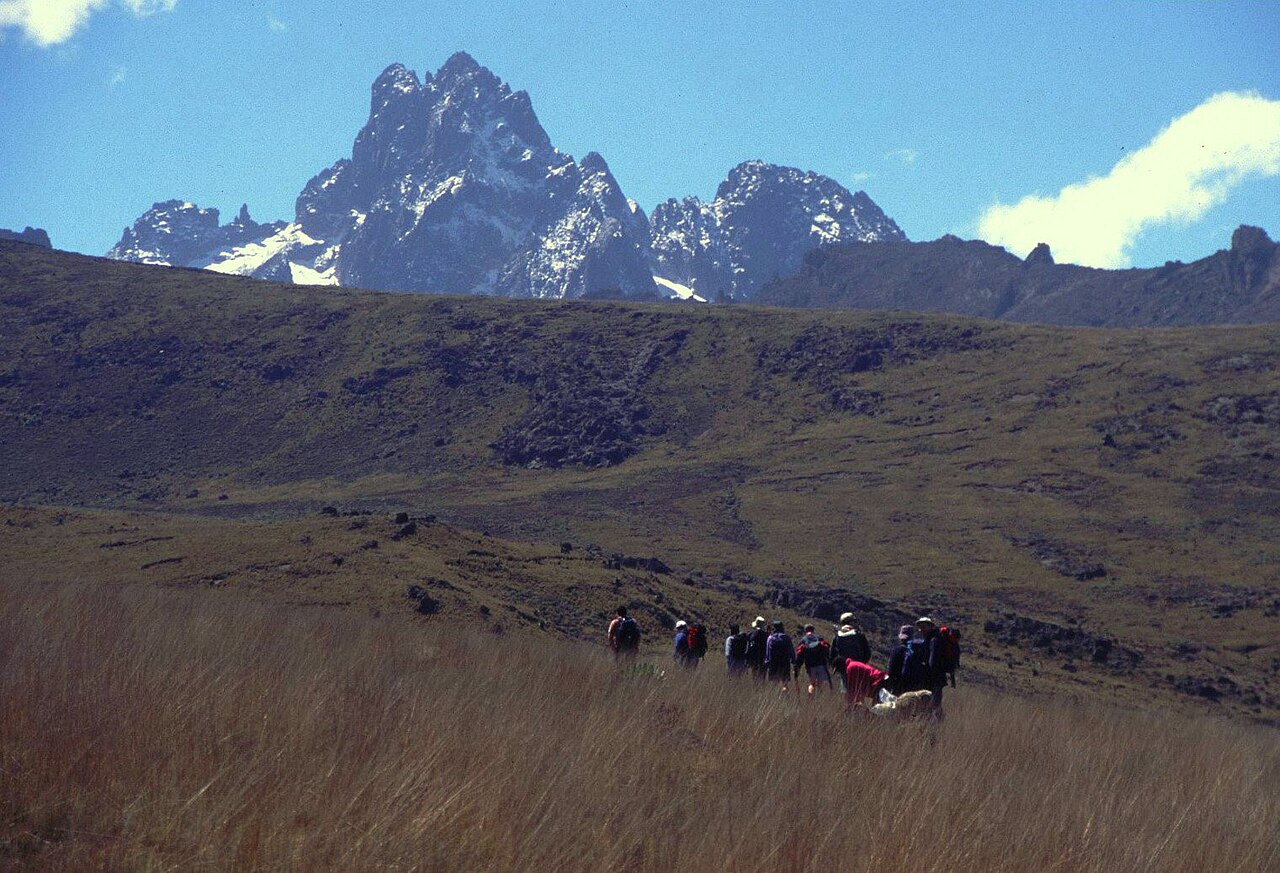
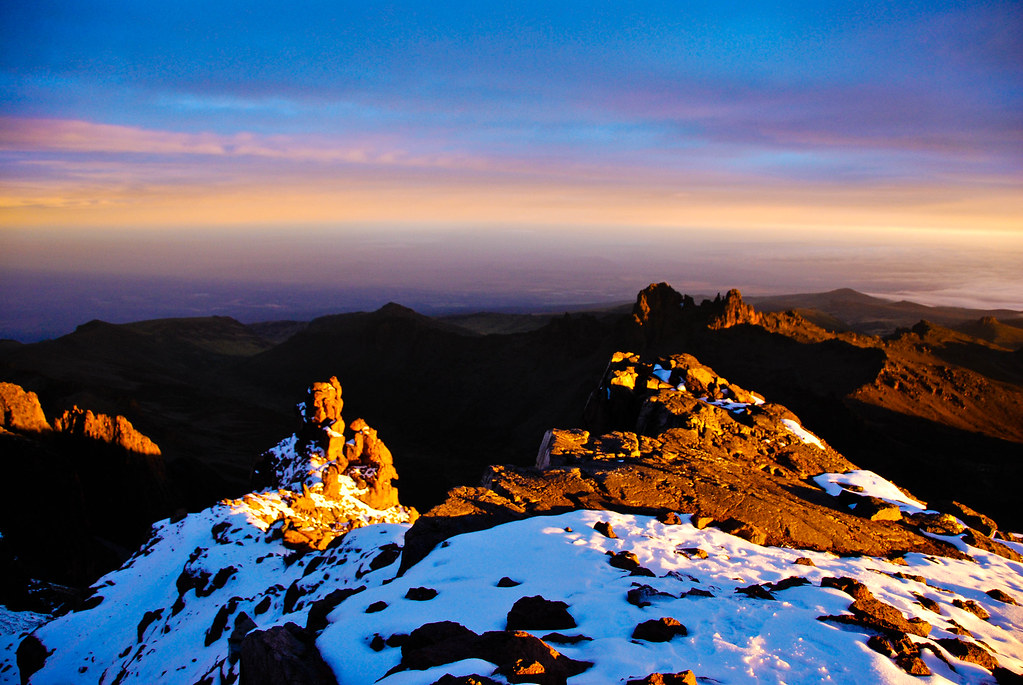
Mount Kenya is the second highest mountain in Africa after Kilimanjaro and the highest in the country it names. It is an extinct stratovolcano that once stood above 6,000 metres and has been eroded to Batian at 5,199 metres, with Nelion at 5,188 and Point Lenana at 4,985. The national park covers 715 square kilometres above the forest, and the mountain and surrounding forest reserve were inscribed as a UNESCO World Heritage Site in 1997.
The distinction that matters to travellers is between the peaks and the trekking summit. Batian and Nelion are technical rock climbs requiring ropes, protection and genuine mountaineering skill. Point Lenana is a walk, and it is the summit almost everyone means when they talk about climbing Mount Kenya.
The mountain sits directly on the equator and still carries glaciers, though the Lewis Glacier and its neighbours have lost the overwhelming majority of their mass since the early twentieth century and are expected to disappear within decades.
The Kikuyu name for it is Kirinyaga, the place of brightness, and the mountain remains sacred to communities on all sides.
TREKKING ROUTES
How People Climb Point Lenana
Sirimon. From the northwest, the driest and most gradual approach, with the best acclimatisation profile. Four to five days. Our usual recommendation.
Chogoria. From the east, widely considered the most beautiful route, past Lake Michaelson and the Gorges Valley. Four to five days, often combined with Sirimon as an up one way, down the other traverse.
Naro Moru. From the west, the fastest and steepest, including the notorious Vertical Bog. Three to four days and the lowest success rate because of the rapid ascent.
Burguret and Timau. Rarely used wilderness routes for experienced trekkers wanting solitude.
The classic itinerary is Sirimon up and Chogoria down over five days, which gives the best acclimatisation and the best scenery in one trip.
Point Lenana requires no technical skill, only fitness, warm clothing and a tolerance for a very early summit start. Batian and Nelion are a different proposition entirely and need a certified mountain guide.
WILDLIFE AND LANDSCAPES
What You Walk Through
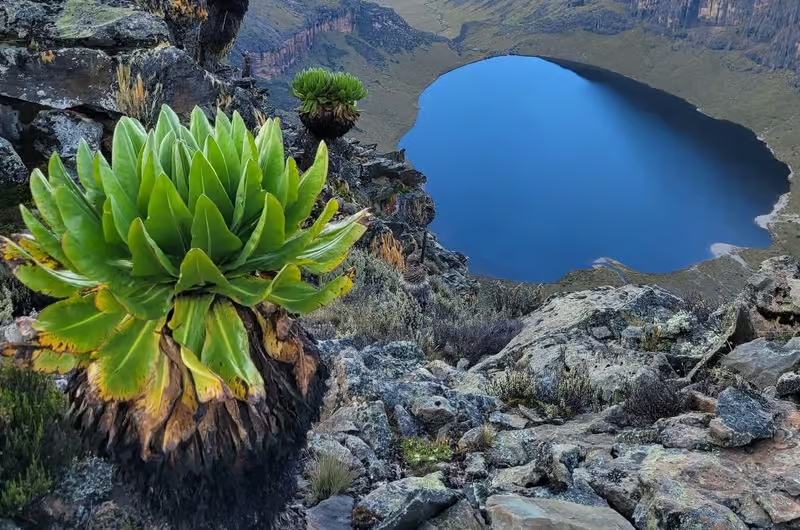
Vegetation zones. Farmland at the base, then montane forest, then bamboo, then hagenia woodland, then afro-alpine moorland with giant lobelias and groundsels, then rock, scree and glacier. The moorland at 3,500 to 4,500 metres is the reason many people rate this mountain above Kilimanjaro for scenery.
Mammals in the forest. Elephant, buffalo, black and white colobus, blue monkey, bushbuck, giant forest hog and, very rarely, the bongo and leopard.
At altitude. Rock hyrax around the huts, the four striped grass mouse and the occasional serval on the moorland.
Birds. Around 130 species including Jackson’s francolin, the scarlet tufted sunbird feeding on lobelias at 4,000 metres, alpine chat and the mountain buzzard.
Tarns and glaciers. Lake Michaelson and Lake Ellis on the Chogoria side, Hall Tarns and the remnant Lewis Glacier below the peaks.
WHY CLIMB MOUNT KENYA
What The Mountain Is Known For
Scenery. Trekkers who have done both frequently rate Mount Kenya above Kilimanjaro for landscape, and the Chogoria route in particular, past Lake Michaelson and down the Gorges Valley, is one of the great walks in Africa.
Solitude is the second reason. Kilimanjaro takes around 35,000 climbers a year. Mount Kenya takes a fraction of that, and on Sirimon or Chogoria you will often have a camp to yourself.
Cost is the third. A five day Mount Kenya trek costs a fraction of a Kilimanjaro climb, largely because park fees are 52 dollars a day rather than 70 plus camping and rescue fees.
And it is a genuine 4,985 metre summit reached on foot, which for most trekkers is every bit the achievement that Uhuru is, without the queue.
PERMITS AND FEES
What A Trek Costs
Mount Kenya sits in the Mountain category of the Kenya Wildlife Service tariff effective for 2026. Non-resident adults pay 52 US dollars per person per day, with children and students at roughly half. Camping and hut fees are charged on top, and rescue and guide fees apply.
In practice climbs are sold as packages. A four or five day Point Lenana trek runs from roughly 800 to 1,600 US dollars per person depending on route, group size and operator standard, covering park fees, guides, porters, cook, hut or camping fees and all meals.
Batian and Nelion technical ascents are quoted separately and require a certified mountain guide.
All park fees are paid through the eCitizen platform in advance. A licensed guide is compulsory and independent unguided climbing is not permitted.
BEST TIME TO CLIMB
When To Go
January to February. The best window. Warm, stable and clear, with the driest rock for technical climbers.
July to October. The second dry season, cold but stable, and the busiest period on Sirimon.
March to June, the long rains. Wet, cold and often in cloud. The Naro Moru Vertical Bog becomes exactly what its name suggests. Not advisable.
November to December, the short rains. Variable, with usable windows and fewer trekkers.
Because the mountain sits on the equator, the two dry seasons are more distinct than the temperature range across the year. Nights above 4,000 metres are below freezing whenever you go.
GETTING THERE
How To Reach The Mountain
By road from Nairobi. Around 200 km to Nanyuki, three to four hours on tarmac, which is the base town for the Sirimon and Naro Moru routes.
To Chogoria. About 250 km via Embu on the eastern side, four to five hours, and the gate is a further 30 km up a rough track.
Gates. Sirimon and Naro Moru on the west, Chogoria on the east.
From the Aberdares. An hour and a half, an easy central highlands pairing.
From Samburu. Around two hours south, which is why many itineraries combine mountain and northern frontier.
By air. Nanyuki airstrip takes scheduled flights from Nairobi in about forty minutes.
Treks start the morning after arrival, so plan a night in Nanyuki or at a forest lodge before day one.
WHERE TO STAY
On And Around The Mountain
On the mountain. A mix of huts and camping. Old Moses and Shipton’s on Sirimon, Mackinder’s on Naro Moru, and Minto’s on Chogoria. All basic bunkhouses, with tents used on the wilderness routes. Austrian Hut sits highest, just below Point Lenana.
Fairmont Mount Kenya Safari Club, Nanyuki. A colonial era club on the equator with the mountain behind it, and the most comfortable base for before and after.
Serena Mountain Lodge. A treehouse style lodge in the forest on the southern slopes, overlooking a floodlit waterhole. A good night even if you are not climbing.
Rhino Watch Safari Lodge and Trout Tree. Comfortable mid range options around Nanyuki.
Naro Moru River Lodge. Long established, climber focused, with kit hire on site.
SAFETY AND TRAVEL TIPS
What To Know Before You Go
Point Lenana is a walk, Batian is a climb. Be clear which you mean. Lenana at 4,985 metres needs fitness and warm clothing. Batian and Nelion need ropes, protection and a certified mountain guide.
Altitude. Take five days rather than three. The Naro Moru route’s low success rate is almost entirely a function of ascending too fast.
Cold. Below freezing above 4,000 metres every night. Four season sleeping bag, down layer, hat, gloves and a windproof shell.
Summit night. A 2am start in the dark on loose scree to reach Lenana for sunrise. A headtorch with spare batteries is essential.
The Vertical Bog. On the Naro Moru route, and exactly as described. Gaiters and waterproof boots.
Guides are compulsory. Independent unguided climbing is not permitted. Park fees are prepaid through eCitizen.
Insurance. Must cover trekking above 4,500 metres and helicopter evacuation.
TOURS WITH US
Trekking With Sola Safari Travels
We book Mount Kenya as a five day Sirimon up, Chogoria down traverse, which gives the best acclimatisation profile and the best scenery on one trip. Where a schedule is tight we use Sirimon both ways over four days, and we will say plainly that a three day Naro Moru climb has poor summit odds.
The trek combines naturally with a safari either side. Samburu is two hours north and the Aberdares an hour and a half west, so a mountain and wildlife itinerary out of Nairobi works well over ten days.
Park fees are prepaid through eCitizen, guides, porters and hut bookings are arranged in advance, and transfers run in a private 4×4 with one of our own drivers.
SAFARI PACKAGES
Safaris That Include Mount Kenya
A Mount Kenya trek combines naturally with the central highlands and northern parks. All departures are private.
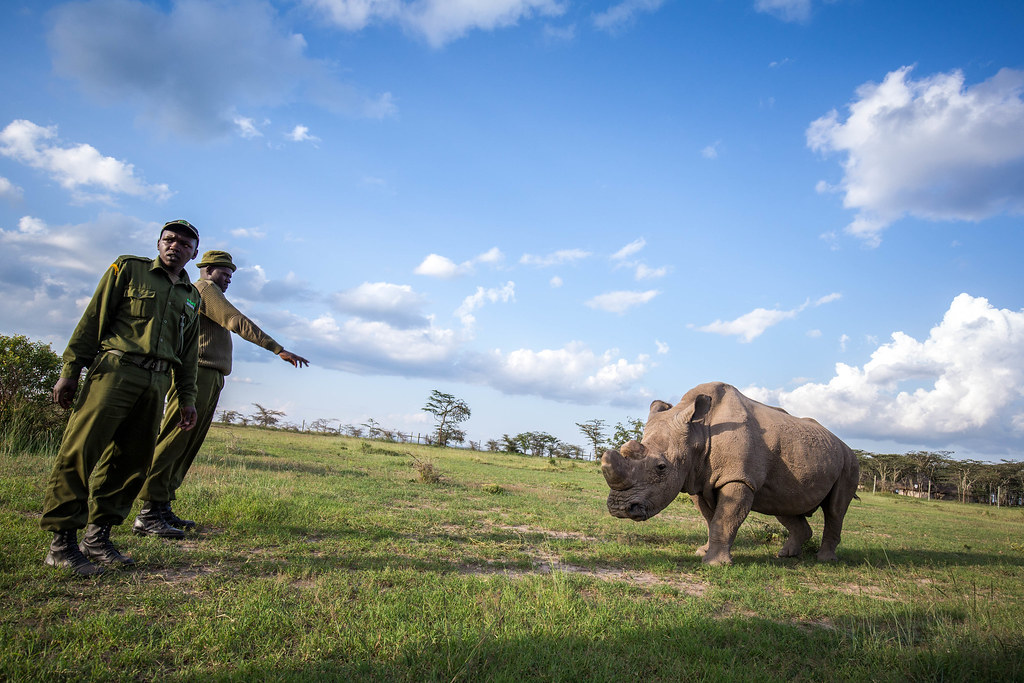
4 DAYS / 3 NIGHTS
4 Days Samburu and Ol Pejeta Safari
Northern specials in Samburu, then rhino tracking on the Ol Pejeta Conservancy.
From $750 per person
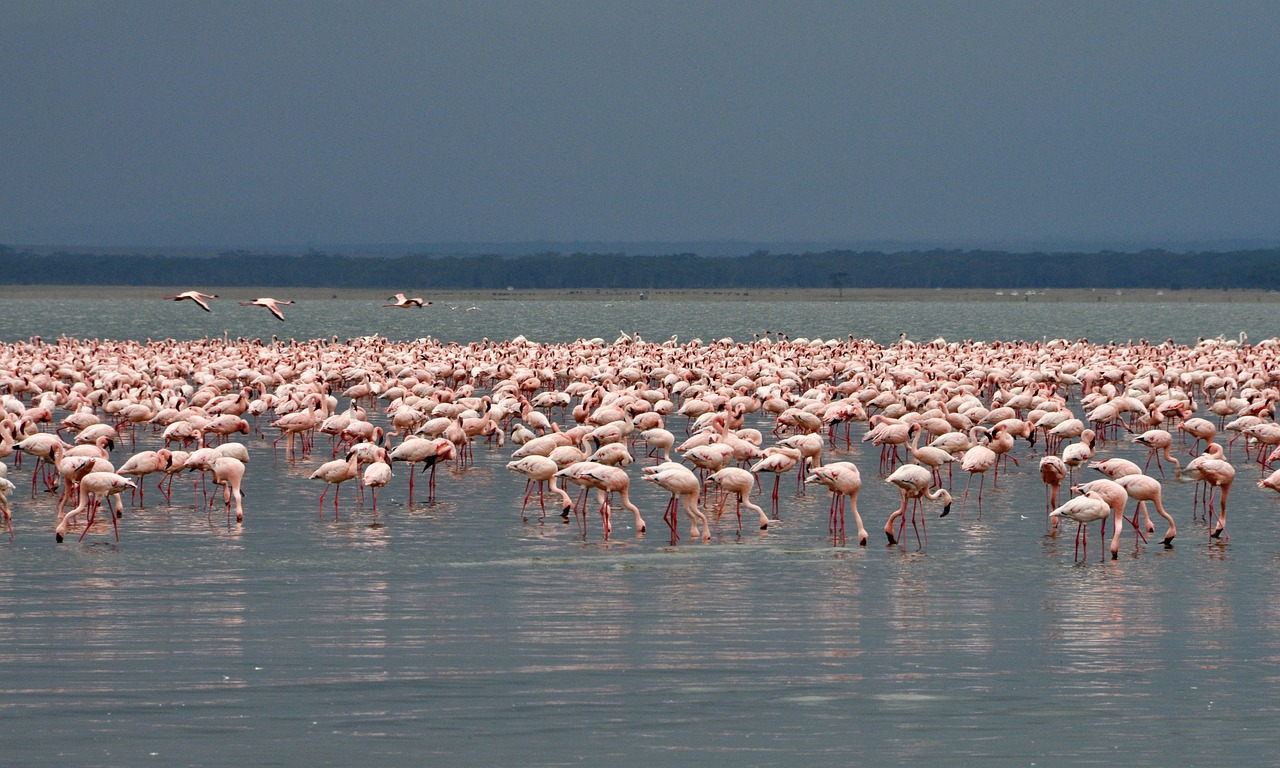
5 DAYS / 4 NIGHTS
5 Days Kenya Wildlife Circuit
Lake Naivasha, Lake Nakuru and the Masai Mara on the classic Rift Valley circuit.
From $900 per person

10 DAYS / 9 NIGHTS
10 Days Ultimate East Africa
Amboseli, the Masai Mara, the Serengeti and the Ngorongoro Crater at an unhurried pace.
From $2,360 per person
KEY QUESTIONS
Mount Kenya Safari, Key Questions
Not for Point Lenana at 4,985 metres, which is a walk needing fitness, warm clothing and a tolerance for a 2am summit start. Batian at 5,199 metres and Nelion are technical rock climbs requiring ropes, protection and a certified mountain guide, and they are a different proposition entirely.
Roughly 800 to 1,600 US dollars per person for a four or five day Point Lenana trek, all inclusive of park fees, guides, porters, cook, huts or camping and meals. Park entry alone is 52 dollars per day, considerably less than Kilimanjaro.
Sirimon up and Chogoria down over five days. Sirimon has the best acclimatisation profile and Chogoria the best scenery, past Lake Michaelson and down the Gorges Valley. Naro Moru is the fastest and has the lowest success rate.
Lower summit, better scenery according to most trekkers who have done both, far fewer people and a fraction of the cost. Kilimanjaro has the altitude record and the name. Mount Kenya has the moorland, the tarns and the solitude.
January to February is the best window, warm and stable. July to October is the second dry season, colder but reliable. March to June is the long rains and not advisable, particularly on the Naro Moru route.
No. A licensed guide is compulsory on Mount Kenya and independent unguided climbing is not permitted. Park fees are paid through the eCitizen platform in advance.
EXPLORE MORE
Pair Mount Kenya With Other Destinations
The mountain sits in the central highlands, with Samburu to the north and the Aberdares to the west.


Your Mount Kenya Safari Starts Here
Tell us your dates and group size. We will reply within 24 hours with a tailor made proposal and a clear price.
TAILOR MADE SAFARI
Want to Know More? Talk to Us
Create an unforgettable memory with a customised Kenya or Tanzania safari. Tell us how you like to travel and our safari experts will shape the route around you, with no obligation.
Phone: +254 736 992 608
Email: info@solasafaritravels.com

