DESTINATION GUIDE // KENYA
Aberdare National Park
Misty highland forest, waterfalls and tree lodges where the animals come to you after dark.
766 km2
PARK AREA
3,999m
HIGHEST POINT
160 km
FROM NAIROBI
Bongo
RARE ANTELOPE
Tree lodges
NIGHT VIEWING

GENERAL OVERVIEW
About Aberdare National Park
The Aberdare National Park protects 767 square kilometres of the Aberdare mountain range in central Kenya, running north to south along the eastern wall of the Rift Valley. Gazetted in 1950, it rises from around 2,000 metres to Ol Donyo Lesatima at 3,999 metres, the third highest peak in Kenya.
The park splits into two quite different halves. The salient in the east is dense montane rainforest and bamboo, wet, dark and where the famous treehouse lodges sit. The moorland above 3,000 metres is open afro-alpine heath with giant lobelias, groundsels and tussock grass, cut by streams and waterfalls, and it looks nothing like anywhere else in Kenya.
This is where Princess Elizabeth was staying at Treetops in February 1952 when her father died and she became Queen. The lodge tradition that started there, watching wildlife at a floodlit waterhole through the night, is still the reason most people come.
The whole range is fenced, a 400 kilometre electric barrier completed in 2009 to end the conflict between wildlife and the dense farming around it.
WILDLIFE AND LANDSCAPES
What Lives Here
Black rhino. The Aberdares hold one of Kenya’s most significant black rhino populations, seen most often from the treehouse lodges at night.
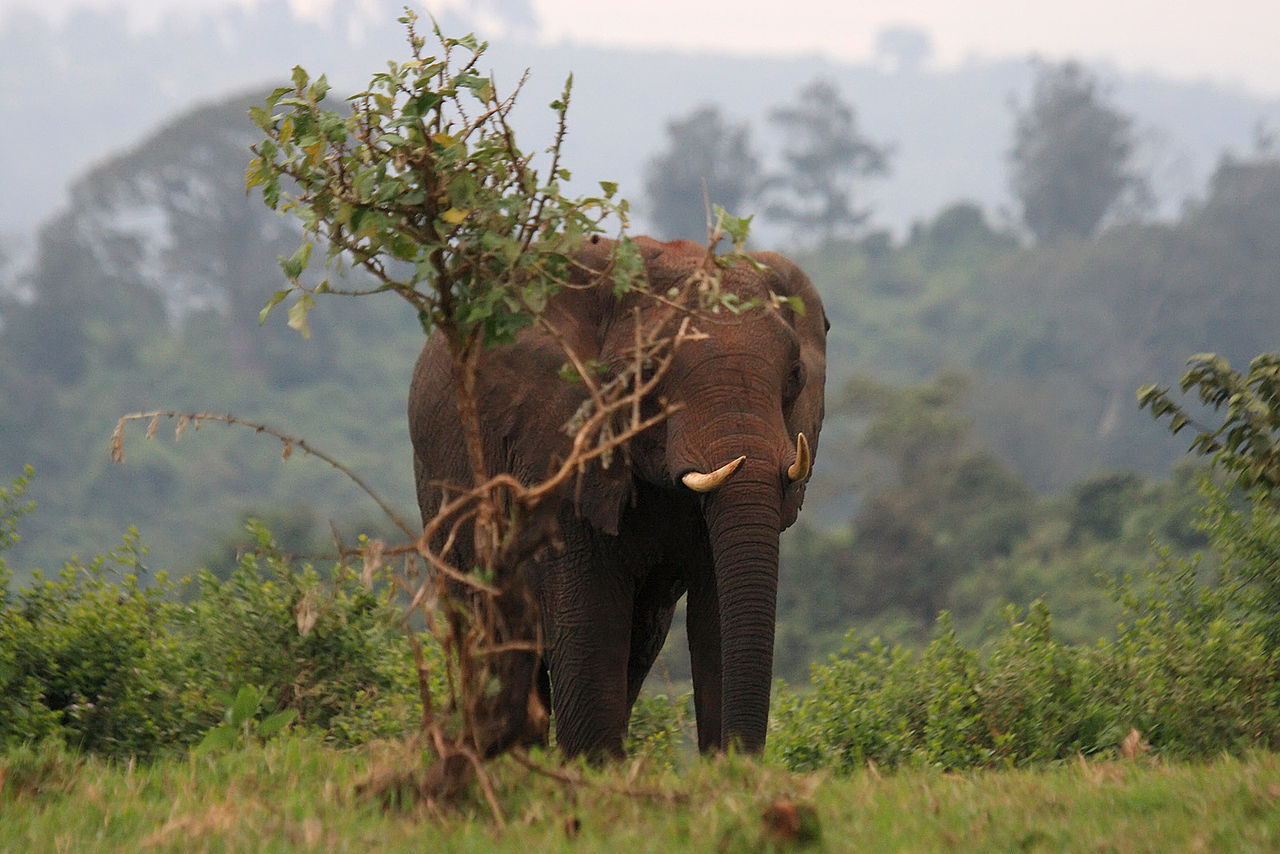
Elephant and buffalo. Both abundant in the salient forest, and both regular at the floodlit waterholes after dark.
Bongo. The mountain bongo, critically endangered and one of the rarest large mammals in Africa, survives in these forests. Sightings are very rare but this is one of the few places it is possible.
Other mammals. Giant forest hog, bushbuck, waterbuck, black and white colobus, olive baboon, spotted hyena, serval, and leopard which are present in good numbers but seldom seen.
Lion. Present but uncommon and rarely encountered.
Birds. Around 250 species including the Aberdare cisticola, Jackson’s francolin, scarce swift and the African crowned eagle. The moorland species list is quite separate from the forest one.
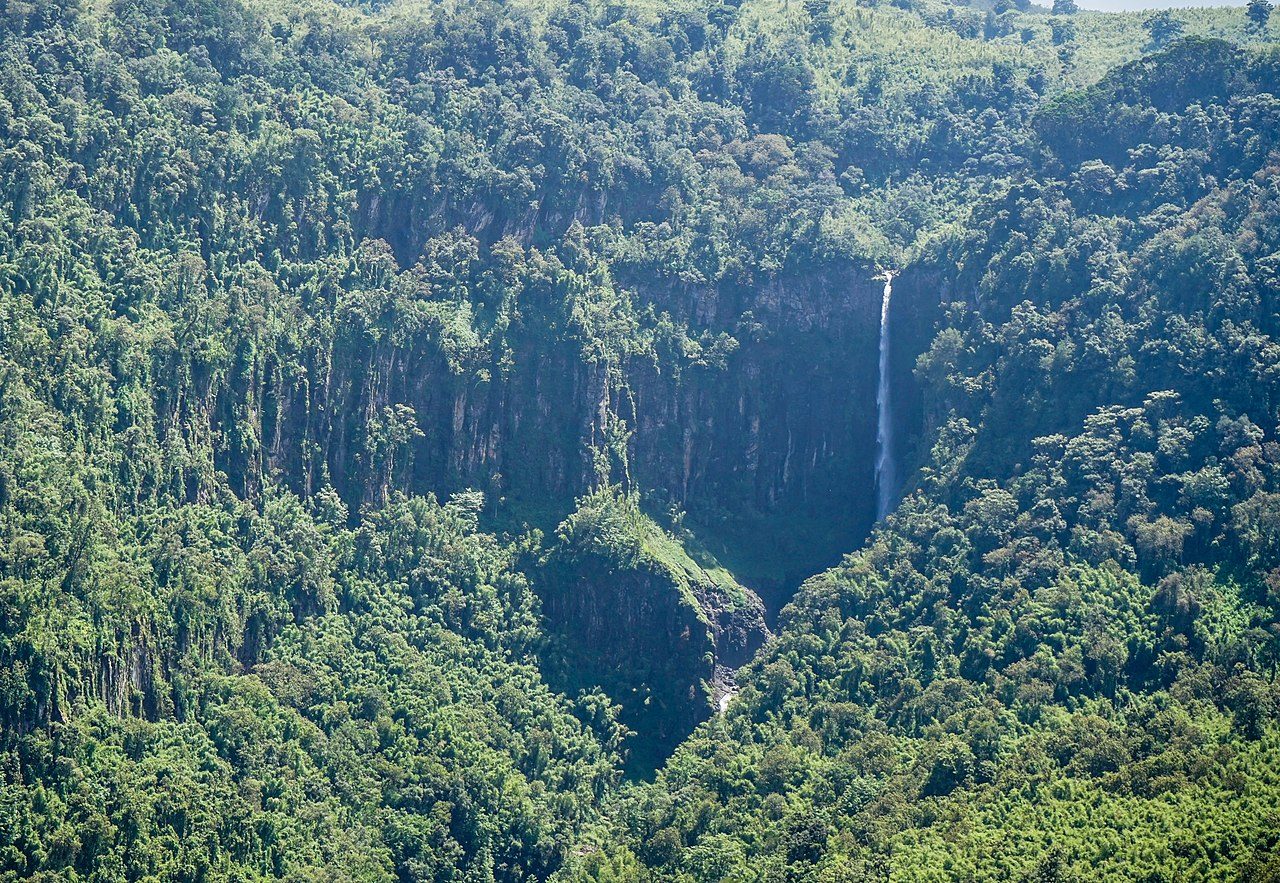
Waterfalls. Karuru Falls drops 273 metres in three steps and is the highest in Kenya. Gura Falls opposite is taller still but hard to view.
THINGS TO DO
Activities In The Park
Night game viewing from a treehouse lodge. The signature Aberdare experience. Treetops and The Ark both overlook floodlit waterholes and salt licks, with a buzzer system that wakes you if rhino, elephant or bongo appear. You watch from a viewing deck rather than a vehicle.
Moorland drives. The high road across the open afro-alpine heath, past giant lobelias, with views that reach Mount Kenya on a clear day.
Waterfall visits. Karuru, Gura and Chania falls, all on the moorland circuit.
Trout fishing. The moorland streams were stocked with trout in the colonial period and fishing permits are still issued.
Hiking and peak climbs. Ol Donyo Lesatima and Table Mountain, both requiring a ranger and arranged in advance.
Mau Mau caves. Sites in the forest used by fighters during the independence struggle, visited with a guide.
WHY VISIT
What The Aberdares Are Known For
Night game viewing. Watching black rhino, elephant and buffalo come to a floodlit waterhole from a warm viewing deck at two in the morning is a completely different experience to a vehicle based safari, and the Aberdare treehouses are where the tradition began.
The moorland is the second reason and the more surprising one. Giant lobelias on open afro-alpine heath at 3,500 metres, with waterfalls dropping into forested gorges, is a landscape most visitors to Kenya never see.
The rarity is the third. Mountain bongo and black rhino both survive here, and this is one of very few places where a bongo sighting is even conceivable.
What it is not is a plains safari. There are no open grasslands, the forest is dense and daytime sightings are limited. It works best as a one or two night change of pace on a wider Kenyan circuit rather than as a headline park.
ENTRY FEES
Park Fees And Practicalities
Aberdare sits in the Mountain category of the Kenya Wildlife Service tariff gazetted in late September 2025 and effective for 2026.
Non-resident adults pay 70 US dollars per person per 24 hours, with children and students at roughly half. Kenyan citizens and residents pay considerably reduced rates in shillings.
Vehicle entry fees apply on top and vary by seating capacity.
All fees are paid through the eCitizen platform in advance rather than in cash at the gate.
Peak climbs, guided hikes and trout fishing permits are arranged separately with the park. The treehouse lodges collect their own rates directly. We prepay park entry and itemise everything in your quote.
BEST TIME TO VISIT
When To Go
January to February and June to September, the dry seasons. The best road conditions on the moorland and the clearest views. This is when the moorland circuit is genuinely enjoyable rather than a slog.
March to May, the long rains. The moorland roads become very difficult and are sometimes closed. The forest is beautiful and the waterfalls are at full volume, but access is limited.
October to December, the short rains. Variable, with usable mornings and good waterfall flow.
Cold matters more than season. The park sits between 2,000 and 4,000 metres and night temperatures on the moorland drop close to freezing in any month. Bring genuinely warm clothing, which surprises people who packed for a Kenyan safari.
GETTING THERE
How To Reach The Park
By road from Nairobi. Around 160 km to the Ark or Treetops, three to four hours via Nyeri on good tarmac.
Gates. Ruhuruini and Kiandongoro serve the eastern salient and the treehouse lodges. Mutubio in the west gives access to the moorland from the Rift Valley side. Wandare in the north serves the Nyahururu approach.
From Lake Nakuru. About two hours east.
From Mount Kenya. An hour and a half, which makes the two an easy central highlands pairing.
Access. A 4×4 is essential on the moorland in any season and strongly advised throughout. Two wheel drive vehicles are turned away at some gates.
Treehouse transfers. Treetops and The Ark both run from base hotels in Nyeri and Mweiga, with a shuttle up to the lodge in the afternoon. You cannot self drive to either.
WHERE TO STAY
Lodges And Camps
The Ark. Built to resemble Noah’s ark, overlooking a floodlit waterhole and salt lick, with a ground level viewing bunker. Generally considered the better of the two treehouses for wildlife.
Treetops. The original, where Princess Elizabeth became Queen in 1952. Historic and simpler than The Ark, with the same waterhole format.
Aberdare Country Club. The base hotel for Treetops, a colonial era house with gardens and a golf course, at Mweiga.
Fairmont Mount Kenya Safari Club. The base for The Ark, at Nanyuki, and a destination in its own right.
Rhino Watch Safari Lodge and Sandai Farm. Comfortable mid range options near the eastern gates.
Self catering. KWS bandas and fishing lodges on the moorland for well equipped travellers.
SAFETY AND TRAVEL TIPS
What To Know Before You Go
Cold. The single most common mistake. Nights on the moorland approach freezing and the treehouse viewing decks are open. Fleece, warm jacket, hat and gloves.
4×4 required. Not optional on the moorland, and some gates refuse two wheel drive vehicles.
Treehouse logistics. You transfer from a base hotel in the afternoon and return the next morning. Luggage stays at the base hotel and you take an overnight bag only.
Buffalo on foot. Common around the lodges. Do not walk between buildings after dark without an escort.
Prepay through eCitizen. Cash is not accepted at the gates.
Altitude. The moorland reaches nearly 4,000 metres. Take the first hours gently if you are driving straight up from Nairobi.
Malaria. Low risk at this altitude, though prophylaxis is sensible on a wider Kenyan itinerary.
TOURS WITH US
Safaris With Sola Safari Travels
We use the Aberdares as a one night change of pace on central highlands itineraries, usually between Lake Nakuru and Mount Kenya or Samburu. A night at The Ark or Treetops watching a floodlit waterhole is a genuinely distinct experience on a trip otherwise spent in a vehicle.
For travellers with more time we add a moorland day for the waterfalls and the giant lobelias, which needs a 4×4 and a dry season. Park entry is prepaid through eCitizen, treehouse transfers are arranged from the base hotel, and the rest of the trip runs in a private 4×4 with one of our own guides.
SAFARI PACKAGES
Safaris That Include Aberdare
The Aberdares work as a night at a treehouse lodge on a central highlands route. All departures are private.
5 DAYS / 4 NIGHTS
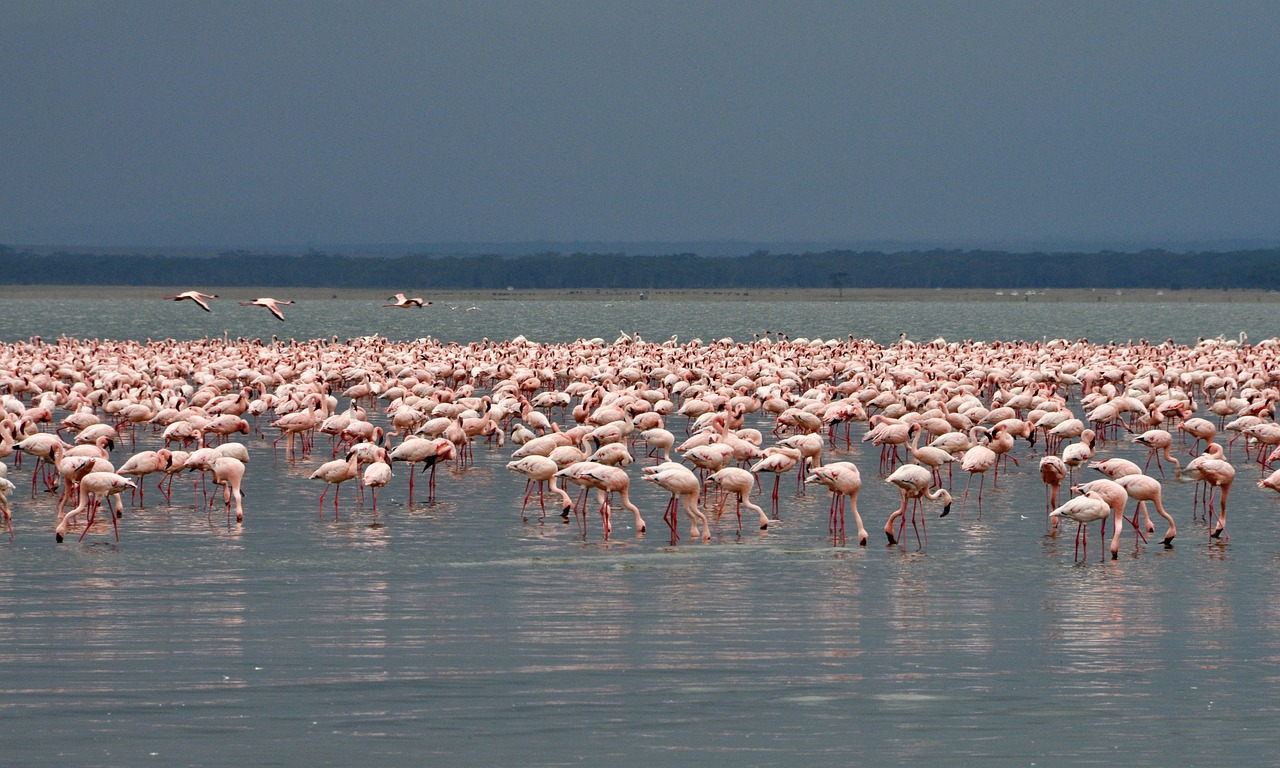
5 Days Kenya Wildlife Circuit
Lake Naivasha, Lake Nakuru and the Masai Mara on the classic Rift Valley circuit.
From $900 per person
4 DAYS / 3 NIGHTS
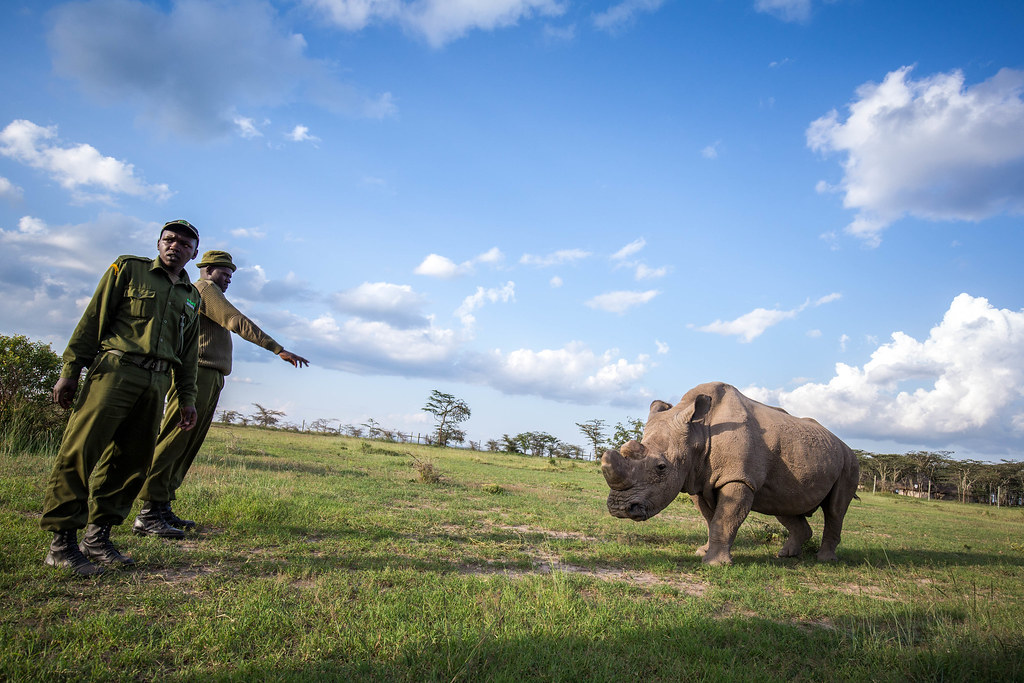
4 Days Samburu and Ol Pejeta Safari
Northern specials in Samburu, then rhino tracking on the Ol Pejeta Conservancy.
From $750 per person

10 DAYS / 9 NIGHTS
10 Days Ultimate East Africa
Amboseli, the Masai Mara, the Serengeti and the Ngorongoro Crater at an unhurried pace.
From $2,360 per person
KEY QUESTIONS
Aberdare Safari, Key Questions
A lodge built on stilts overlooking a floodlit waterhole and salt lick, where you watch wildlife from a viewing deck rather than a vehicle. The Ark and Treetops both use a buzzer system that wakes you if rhino, elephant or bongo appear during the night. You transfer up from a base hotel in the afternoon.
70 US dollars per non-resident adult per 24 hours under the KWS tariff effective for 2026, with children and students at roughly half. Vehicle fees apply on top and payment is through eCitizen in advance. Treehouse lodges charge their own rates separately.
Almost certainly not, and no honest operator will suggest otherwise. The mountain bongo is critically endangered and the Aberdares are one of very few places it survives at all. Treat any sighting as extraordinary luck rather than an expectation.
Cold enough to catch people out. The park runs from 2,000 to nearly 4,000 metres and night temperatures on the moorland approach freezing in any month. Treehouse viewing decks are open to the air. Pack a fleece, warm jacket, hat and gloves.
Yes on the moorland, in every season, and some gates refuse two wheel drive vehicles outright. If you are only visiting a treehouse lodge you transfer in their vehicle from the base hotel, so it does not arise.
Best as a one night stop on a central highlands route, between Lake Nakuru and Mount Kenya or on the way to Samburu. It is a change of pace rather than a headline park, and daytime game viewing is limited by the dense forest.
EXPLORE MORE
Pair Aberdare With Other Destinations
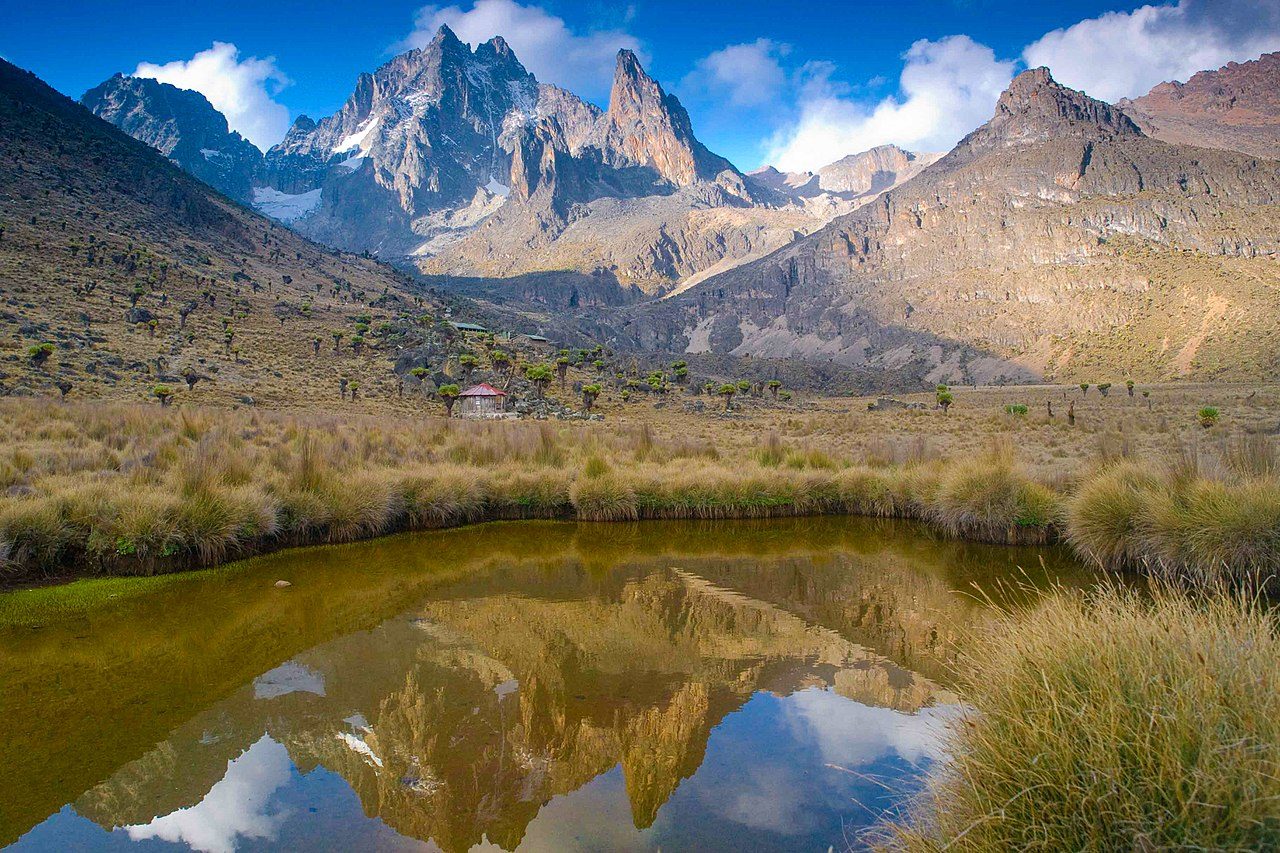
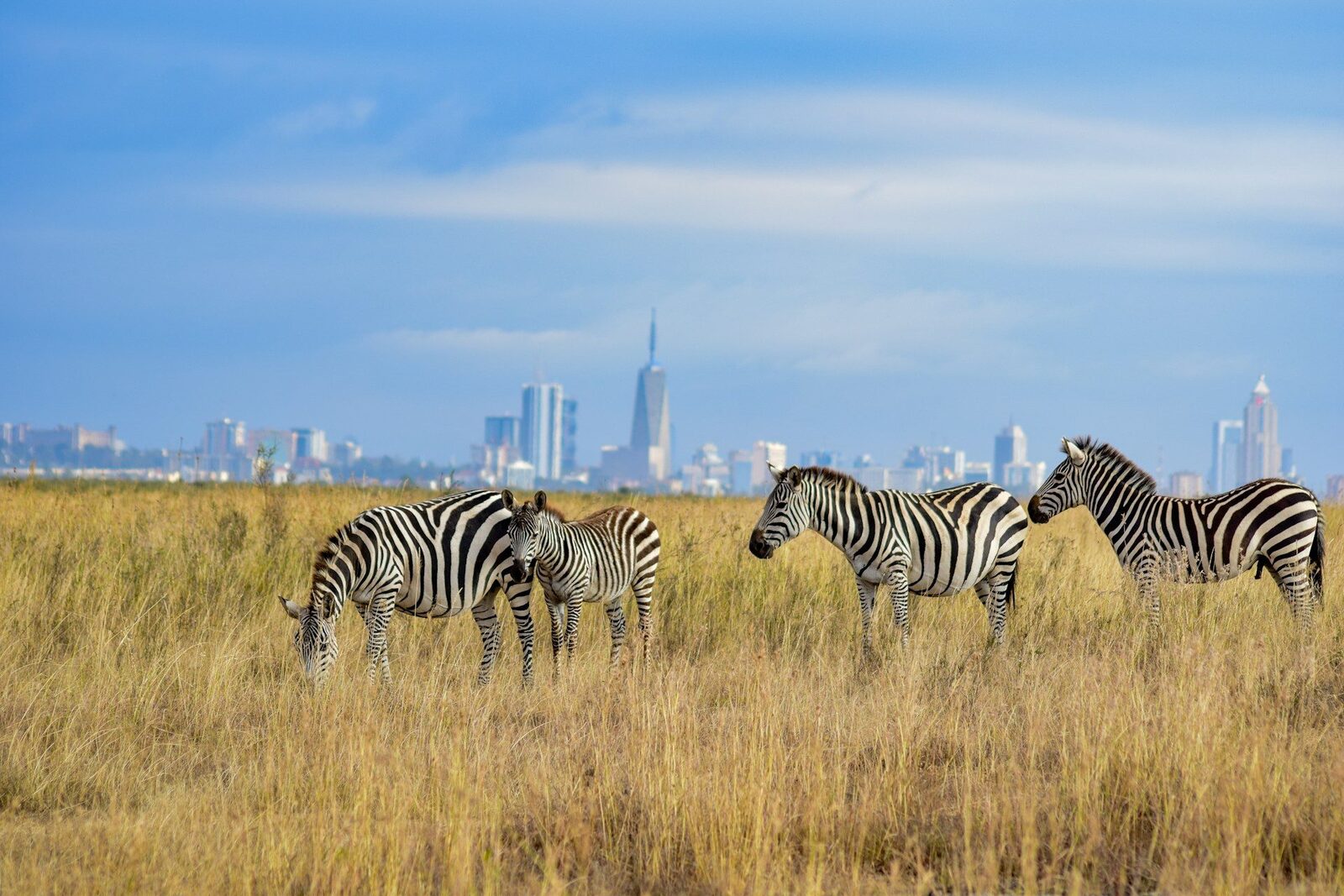
The central highlands parks sit close together, with the Rift Valley lakes to the west.


Your Aberdare Safari Starts Here
Tell us your dates and group size. We will reply within 24 hours with a tailor made proposal and a clear price.
TAILOR MADE SAFARI
Want to Know More? Talk to Us
Create an unforgettable memory with a customised Kenya or Tanzania safari. Tell us how you like to travel and our safari experts will shape the route around you, with no obligation.
Phone: +254 736 992 608
Email: info@solasafaritravels.com

