DESTINATION GUIDE // KENYA
Nairobi National Park
The only national park in the world inside a capital city. Rhino and lion against a skyline of office towers.
117 km2
PARK AREA
7 km
FROM THE CBD
Black rhino
RESIDENT
1946
KENYA FIRST PARK
Half day
TYPICAL VISIT
GENERAL OVERVIEW
About Nairobi National Park
Nairobi National Park is the only national park in the world that sits inside a capital city. Gazetted in 1946, it was Kenya’s first, and its 117 square kilometres begin roughly seven kilometres from the centre of Nairobi. The northern, eastern and western boundaries are fenced against the city. The southern boundary is open to the Kitengela plains, which lets wildlife move in and out on a seasonal migration that still functions, if barely.
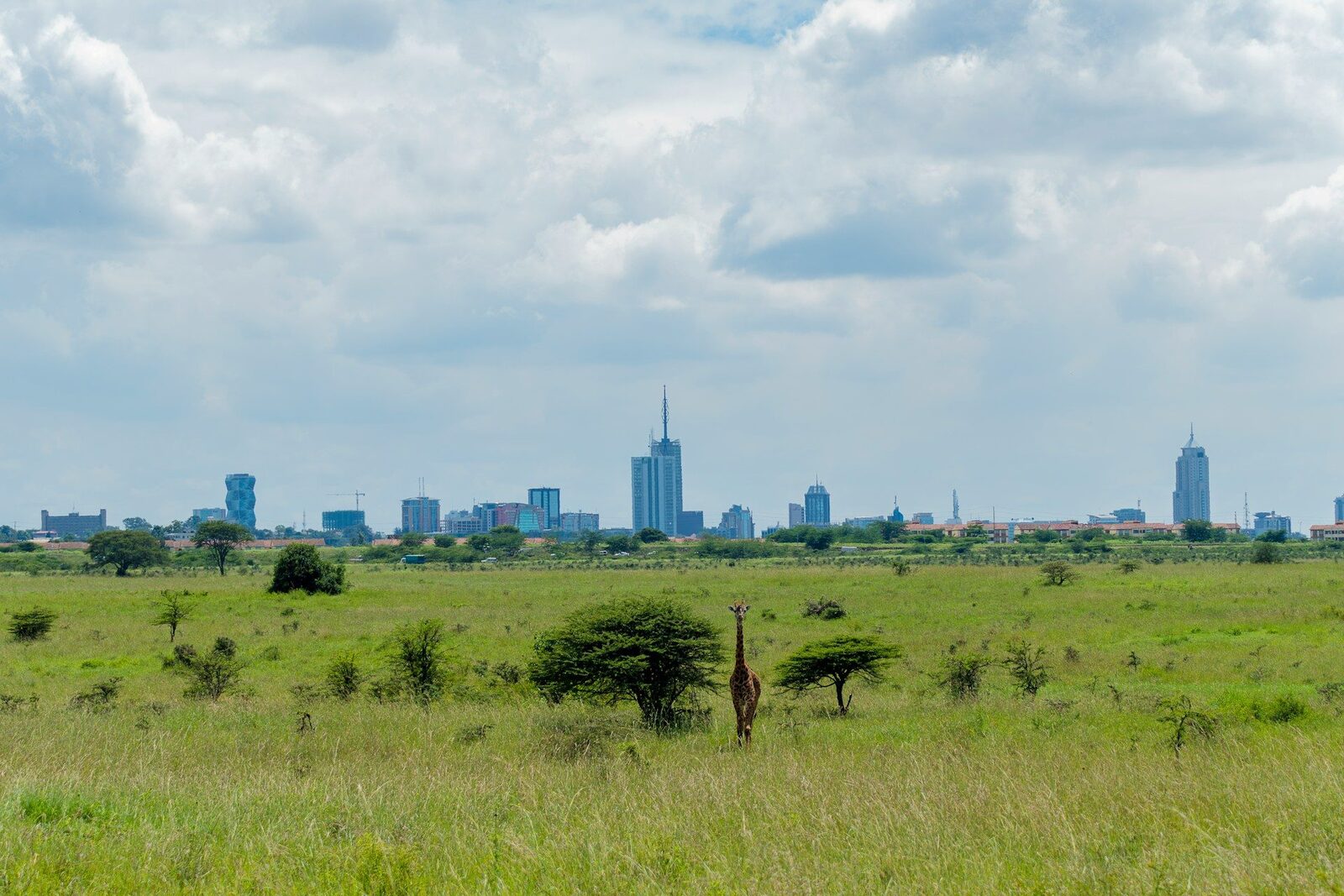
The defining image is the skyline. Rhino, lion and giraffe on open grassland with office towers and aircraft on approach behind them. It is a strange and slightly uncomfortable picture, and it is the honest one, because the park is under real pressure from the city expanding around it.
It is also one of Kenya’s most important rhino sanctuaries, with a black rhino population that has been used to restock other parks across the country. For a traveller with half a day in Nairobi, either side of a flight, it is by far the best use of the time.
WILDLIFE
What You Will Actually See
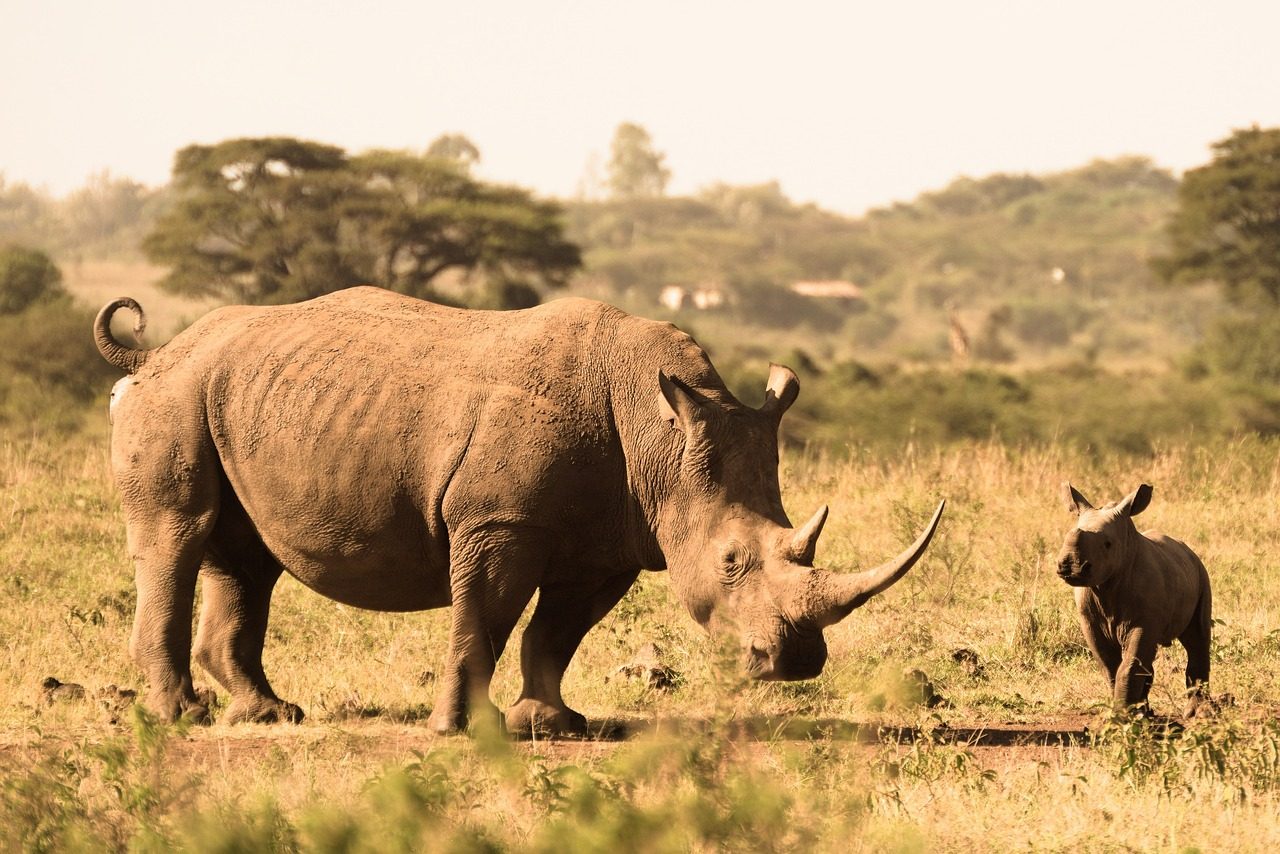
Black and white rhino. The park holds one of the densest black rhino populations in Kenya and sightings are genuinely reliable, which is unusual anywhere.
Lion. Resident prides, most often in the Athi basin and along the Mbagathi river. Sightings are frequent but not guaranteed.
Plains game. Masai giraffe, buffalo, eland, coke’s hartebeest, zebra, wildebeest, impala, Thomson’s and Grant’s gazelle, waterbuck and warthog.
Other predators. Leopard, cheetah, spotted hyena and black backed jackal. Cheetah are seen more often here than in many larger parks because the grass is short.
Hippo and crocodile. In the Hippo Pools on the Mbagathi river, where you can leave the vehicle with a ranger.
Birds. Over 400 species, with the seasonal dams drawing large numbers of waterbirds and the grassland holding secretary bird, ostrich and kori bustard.
What is absent. No elephant. The park is too small and too enclosed for them, which is the one gap in an otherwise complete list.
THINGS TO DO
Activities In And Around The Park
Game drives. The road network is extensive for a park this size and a half day covers most of it. Early morning is best, both for wildlife and to be back before Nairobi traffic builds.
Hippo Pools. A designated walking area on the Mbagathi river where you can get out with a ranger. One of very few places in Kenya where that is possible inside a national park.
Nairobi Safari Walk. A raised boardwalk at the main gate through enclosures holding species you may not see in the park, including albino zebra and pygmy hippo. Good with children.
Animal Orphanage. Also at the main gate, a rehabilitation centre for orphaned and injured wildlife.
Ivory Burning Site Monument. Where Kenya publicly burned twelve tonnes of ivory in 1989 and much more since, a decisive moment in the global ivory trade debate.
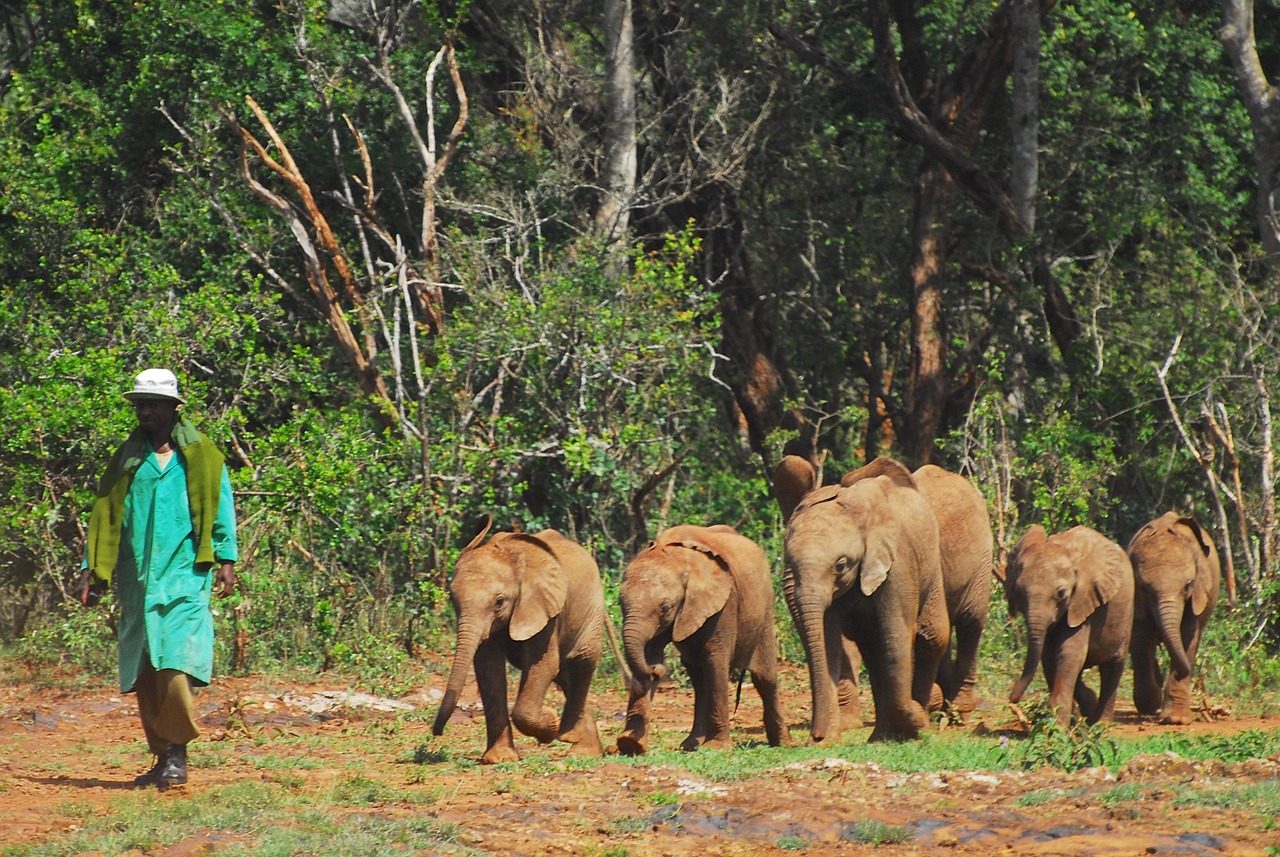
Nearby. The David Sheldrick Wildlife Trust elephant orphanage and the Giraffe Centre both sit within twenty minutes and combine naturally into a Nairobi day.
WHY VISIT
What Nairobi National Park Is Known For
Convenience without compromise. Seven kilometres from the city centre, forty minutes from Jomo Kenyatta International Airport, and you are looking at wild black rhino. No other capital offers that.
The rhino are the substance. This is one of the most reliable places in Africa to see black rhino in the wild, and the population here has restocked reserves across Kenya.
The skyline is the picture people come for, and it delivers, though it is worth understanding what it represents. The park is squeezed by a growing city, a railway and a bypass, and the southern migration corridor is narrowing. Visiting it puts revenue directly into the case for keeping it.
For travellers with a long layover, an early flight or a spare morning before a safari starts, it turns dead time into a genuine game drive.
ENTRY FEES
Park Fees And Practicalities
Kenya Wildlife Service gazetted a new four tier tariff in late September 2025, the first major revision in nearly eighteen years, and it took effect for 2026. Nairobi National Park sits in the Urban category.
Non-resident adults pay 80 US dollars per person per 24 hours, with children and students at roughly half that. Kenyan citizens and residents pay considerably reduced rates in shillings.
Vehicle entry fees apply on top and vary by seating capacity.
All fees are now paid through the eCitizen platform before arrival rather than in cash at the gate. This caught a lot of travellers out when it changed, and turning up without a prepaid ticket means sorting it at the barrier.
The Safari Walk and Animal Orphanage are ticketed separately. We prepay everything and itemise it in your quote.
BEST TIME TO VISIT
When To Go
July to October and January to February, the dry seasons. The best game viewing. Grass is short, animals concentrate at the dams and the roads are firm throughout.
June to September. Wildebeest and zebra move in from the Kitengela plains to the south, which lifts predator activity noticeably.
March to May, the long rains. Green and quiet, with excellent birding as migrants arrive. Some of the black cotton tracks become difficult and a 4×4 matters.
November and December, the short rains. Afternoon storms with clear mornings.
Time of day matters more than season. Gates open at 6am and the first two hours are worth more than the rest of the day combined, both for wildlife and for avoiding the city traffic on the way back.
GETTING THERE
How To Reach The Park
Main gate, Langata Road. About 10 km from the city centre, twenty to forty minutes depending on traffic. This is where the Safari Walk, the Animal Orphanage and the KWS headquarters are.
From Jomo Kenyatta International Airport. Roughly 20 km to the main gate, thirty to forty five minutes. The East Gate near the airport is closer but is not always open to visitors.
Other gates. Banda, East and Cheetah gates serve different parts of the park and are useful for avoiding Langata Road at rush hour.
Vehicle. A 4×4 is advisable, essential in the rains. The main circuits are graded but the outer tracks are black cotton soil.
We collect from your hotel or the airport, prepay the eCitizen tickets and have you at the gate for opening.
WHERE TO STAY
Lodges And Nairobi Bases
Nairobi Tented Camp. The only accommodation inside the park, nine tents in a forest clearing with no fences and no view of the city. Genuinely surprising given where you are.
Emakoko. A lodge on the park boundary above the Mbagathi river with its own gate access, and the most convenient luxury option.
Ololo Safari Lodge. A converted farmhouse on the southern boundary, relaxed and characterful.
Hemingways Nairobi and Giraffe Manor. In Karen, twenty minutes from the main gate, and the usual choices for travellers combining the park with the elephant orphanage and the Giraffe Centre.
City hotels. Most visitors simply drive out from wherever they are staying in Nairobi, which works perfectly well for a morning drive.
TRAVEL TIPS
What To Know Before You Go
Prepay through eCitizen. Cash is no longer accepted at the gate. Tickets must be bought in advance on the KWS platform and this is the single most common problem travellers hit.
Go at 6am. The difference between a dawn start and a nine o’clock one is substantial, both for sightings and for the drive back through traffic.
Allow for Nairobi traffic. A twenty minute drive at 6am is an hour at 8am. Build it in.
No elephants. Set expectations, particularly with children. The elephant orphanage nearby fills that gap.
Rhino etiquette. Keep a respectful distance and stay in the vehicle except at the Hippo Pools.
Malaria. Nairobi sits at 1,700 metres and is low risk, though prophylaxis is sensible if you are continuing to lower parks.
TOURS WITH US
Safaris With Sola Safari Travels
We use Nairobi National Park in two ways. As a half day for travellers with a spare morning, an evening flight or a long layover, collected from the airport or your hotel and back in time for whatever comes next. And as the opening morning of a longer Kenyan itinerary, since it eases you into game viewing before the drive to the Mara or Amboseli.
The usual half day pairs a 6am park drive with the David Sheldrick elephant orphanage at 11am and the Giraffe Centre after, which is the best single day Nairobi offers. eCitizen tickets are prepaid, and the drive is in a private 4×4 with one of our own guides.
SAFARI PACKAGES
Safaris That Include Nairobi National Park
Nairobi National Park opens most Kenyan itineraries, often as a half day before the drive south or west. All departures are private.
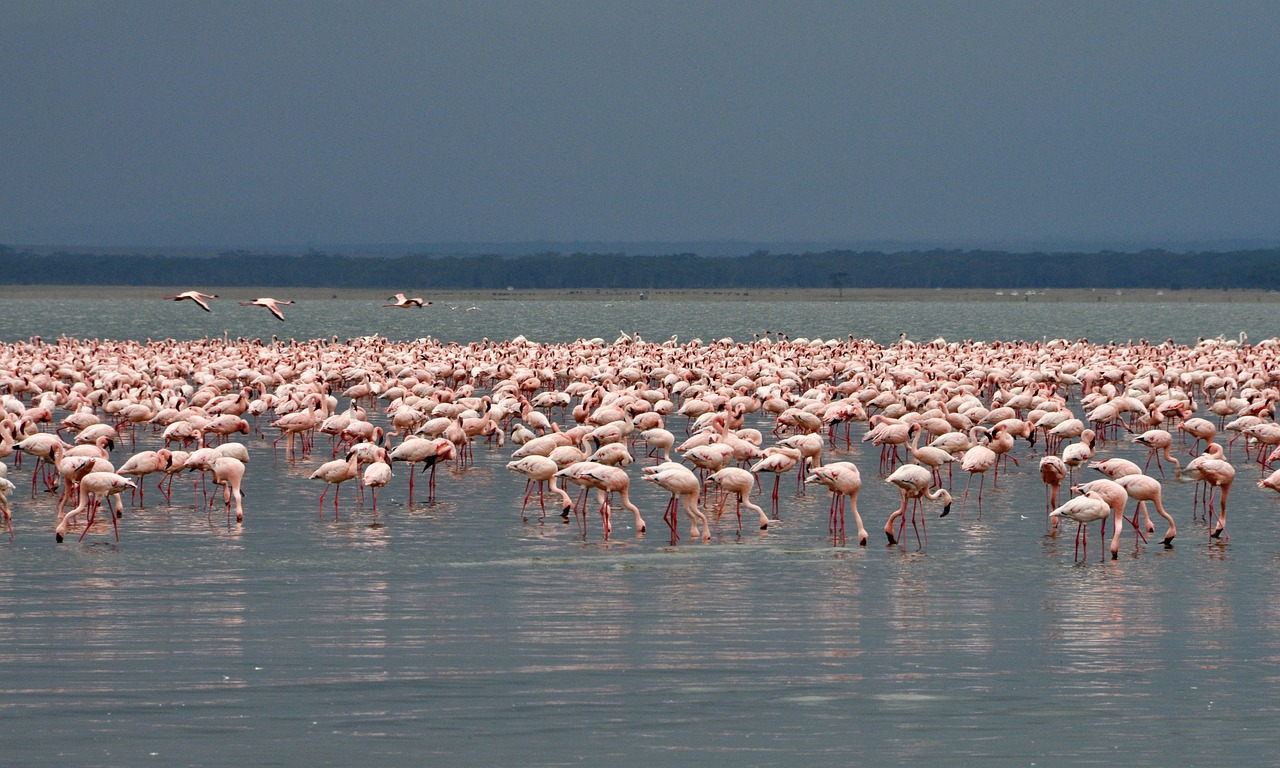
5 DAYS / 4 NIGHTS
5 Days Kenya Wildlife Circuit
Lake Naivasha, Lake Nakuru and the Masai Mara on the classic Rift Valley circuit.
From $900 per person
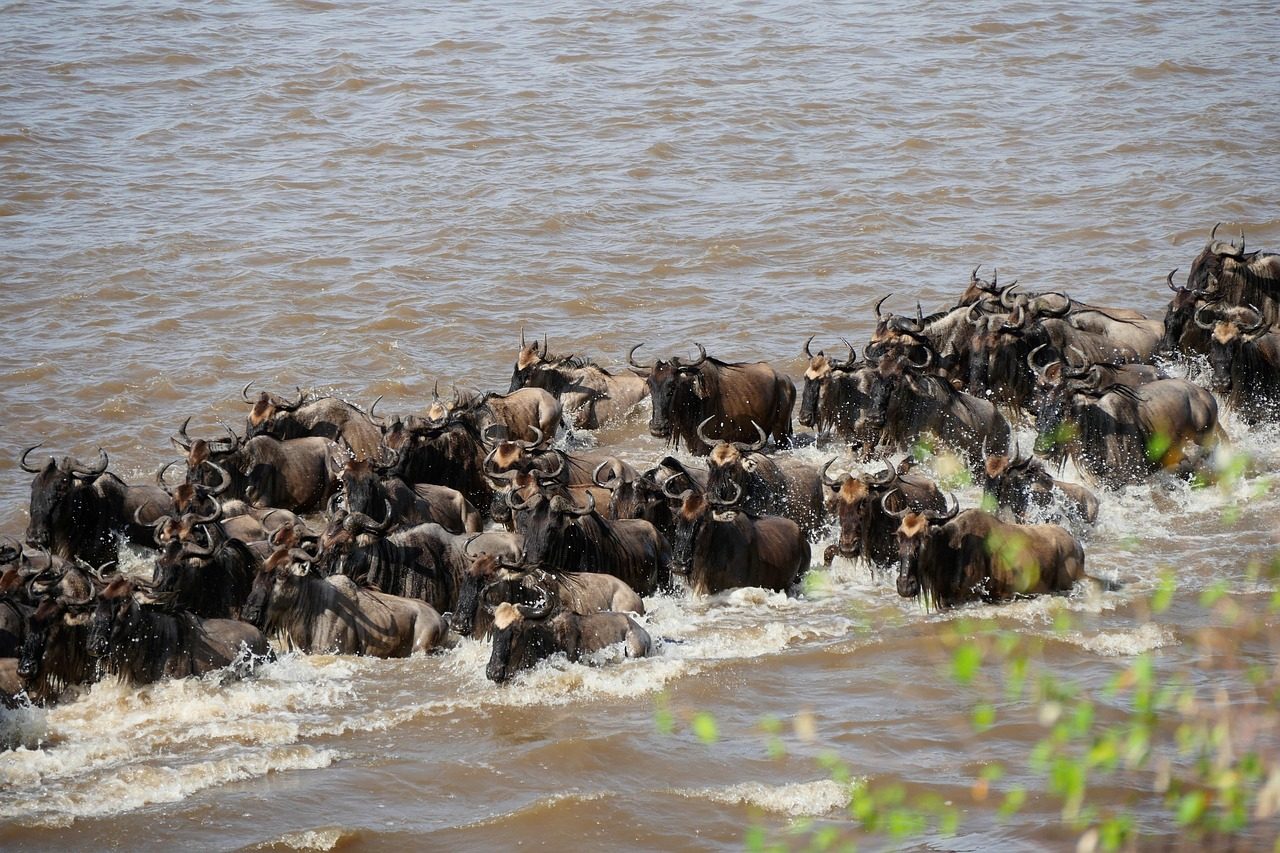
3 DAYS / 2 NIGHTS
3 Days Masai Mara Safari
The classic short Mara trip. Game drives, Maasai village visits and luxury camp stays.
From $550 per person

10 DAYS / 9 NIGHTS
10 Days Ultimate East Africa
Amboseli, the Masai Mara, the Serengeti and the Ngorongoro Crater at an unhurried pace.
From $2,360 per person
KEY QUESTIONS
Nairobi National Park Safari, Key Questions
Yes, and it is the only one of its kind in the world. The main gate is about 10 km from the city centre and the park covers 117 square kilometres. Three sides are fenced against the city and the southern boundary stays open to the Kitengela plains.
80 US dollars per non-resident adult per 24 hours under the new KWS tariff that took effect for 2026, with children and students at roughly half. Vehicle fees apply on top. All payment is now through the eCitizen platform in advance, not cash at the gate.
Very likely. This is one of the most reliable places in Africa to see black rhino in the wild, and the population here has been used to restock other Kenyan parks. Lion are frequent but less certain.
No. The park is too small and too enclosed to hold them. The David Sheldrick Wildlife Trust elephant orphanage is twenty minutes away and fills that gap, which is why the two are almost always done on the same morning.
Three to four hours covers the main circuits comfortably. A 6am start is worth considerably more than a later one, both for the wildlife and for avoiding Nairobi traffic on the way back.
Yes, and it is the best use of a long one. The main gate is thirty to forty five minutes from Jomo Kenyatta International. We collect from the airport, prepay the tickets and have you back with time to spare.
EXPLORE MORE
Pair Nairobi National Park With Other Destinations
Every Kenyan safari starts in Nairobi, and the main parks are a few hours out in each direction.


Your Nairobi Safari Starts Here
Tell us your dates and group size. We will reply within 24 hours with a tailor made proposal and a clear price.
TAILOR MADE SAFARI
Want to Know More? Talk to Us
Create an unforgettable memory with a customised Kenya or Tanzania safari. Tell us how you like to travel and our safari experts will shape the route around you, with no obligation.
Phone: +254 736 992 608
Email: info@solasafaritravels.com

