
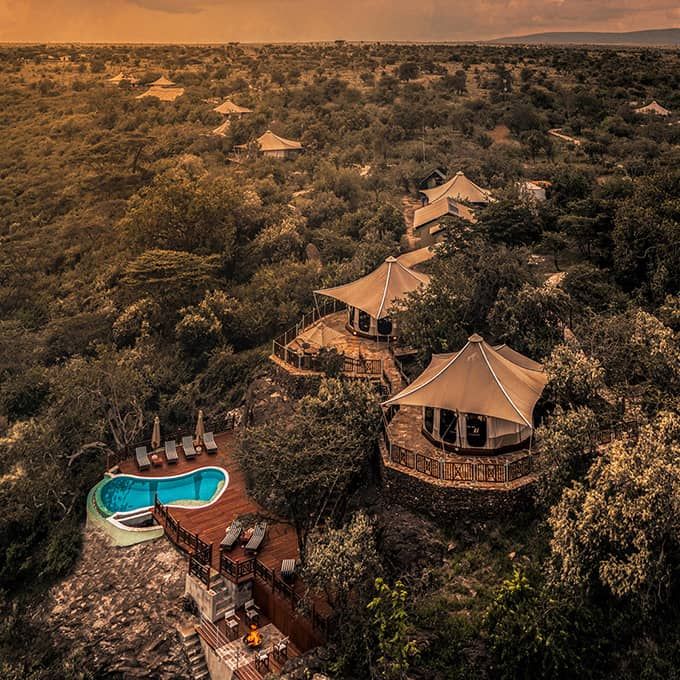
Why Is There a Cost Difference Between a Conservancy and a National Park?
By Linsel Ajode, Senior Safari Specialist at Sola Safari Travels
The question of why there is a cost difference between a conservancy and a national park is one of the most common planning questions we receive from travellers booking a Kenya safari, and it is also one of the most misunderstood. Many travellers see a price gap of $300–$800 per person per night between a conservancy camp and a national park lodge and assume they are simply paying for a fancier room. They are not. The difference in cost reflects a fundamentally different kind of safari experience: different rules, different wildlife encounters, different activities, and a different relationship between tourism and conservation.
This guide answers the question directly and completely. You will learn what drives the price gap, what you actually get for that extra cost, which type of destination is right for your trip, and whether the conservancy premium is genuinely worth it, or whether a national park will serve you just as well. Both options can deliver outstanding wildlife sightings on a Kenya safari. The question is which one aligns with what you are actually looking for.
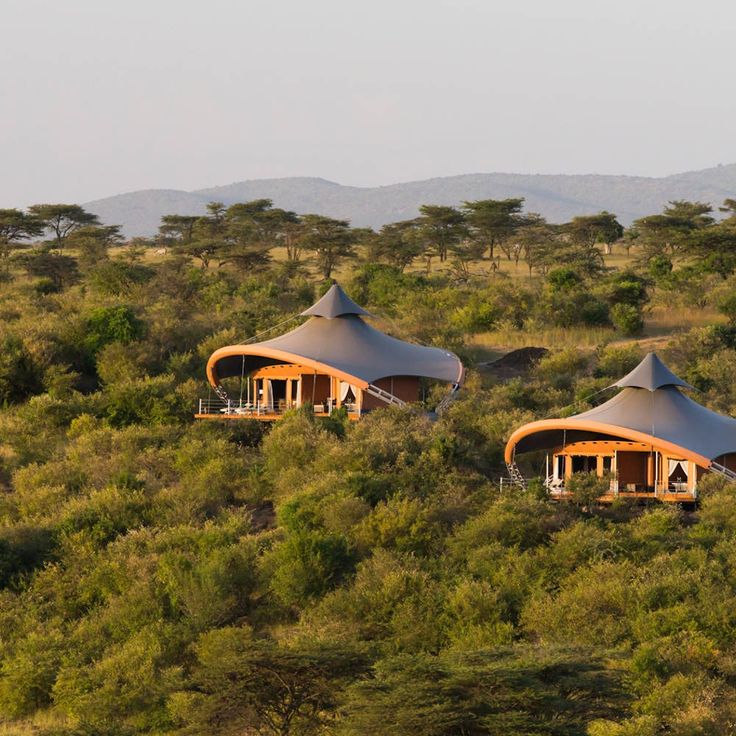
Key Takeaways
- The core reason conservancies cost more than national parks is that they operate under a fundamentally different model: limited guest beds, strictly capped vehicles per sighting, and a conservancy fee paid directly to landowners, costs that national parks do not carry.
- National park fees in Kenya cover government administration but do not pay for exclusive wildlife access, vehicle limits, or private guiding, all of which require the conservancy model to fund.
- Conservancies permit night drives, bush walks, and off-road driving. Three activities that are prohibited inside Kenya’s national reserves and national parks under Kenya Wildlife Service regulations.
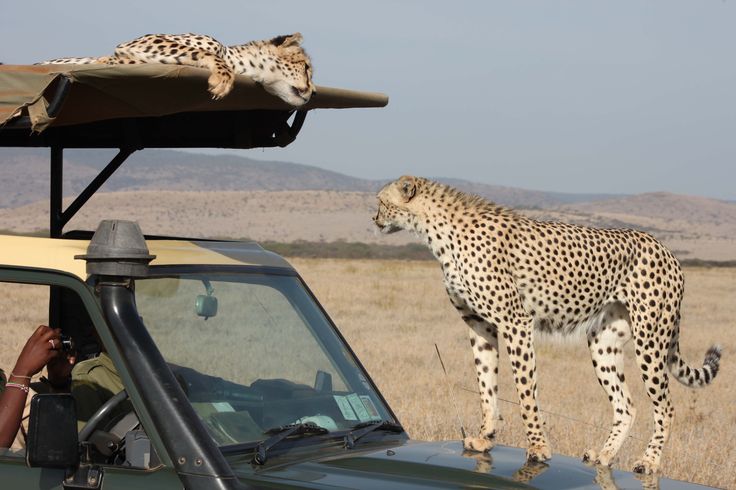
- The vehicle limit per sighting in conservancies (typically 3–6 vehicles) is contractually enforced. Inside the Maasai Mara National Reserve at peak season, a single big cat sighting can attract 30 or more vehicles simultaneously.
- A conservancy stay costs roughly 30–60% more per night than a comparable reserve-based lodge, but it typically includes conservancy fees, all meals, all game drives, and specialist guiding, many of which are additional costs at national park properties.
- The conservancy vs. national park decision is not binary: the most effective Kenya safari itinerary combines both, using the national reserve for scale and the migration, and the conservancy for intimate predator encounters and extended activities.
- Community conservancies offer a third option. Conservancy-level exclusivity at mid-range price points, with tourism revenue flowing directly to Maasai and Samburu communities.
Why Is There a Cost Difference Between a Conservancy and a National Park in Kenya?
Understanding why there is a cost difference between a conservancy and a national park requires understanding that these are not two tiers of the same product. They are two structurally different models of wildlife access, land management, and tourism experience, and the price reflects that structural difference, not merely a markup for luxury accommodation.
At its core, a national park in Kenya is government land, managed by the Kenya Wildlife Service (KWS) or by county councils in the case of national reserves. The fees you pay go to the KWS or to county governments. There is no cap on how many vehicles can be operating simultaneously. There are no restrictions on how many tented camps or lodges can operate within the boundaries. Access is open to any licensed operator, and the experience is shared with every other safari vehicle on the road that day.
A conservancy, by contrast, is private or community land. The landowners, whether a private operator or a Maasai community, have made a deliberate decision to remove cattle and dedicate the land to conservation and low-density tourism. To fund that decision, a conservancy fee is charged: typically, $50–$150 per person per night, sometimes included in the lodge rate, sometimes not. The number of beds on the entire conservancy is capped, sometimes at fewer than 50 guests across the whole property. And the number of safari vehicles permitted at any single wildlife sighting is contractually limited, usually to 3–6 vehicles.
That vehicle cap, a simple contractual rule, is what drives much of the perceived value difference. It is also what justifies the price gap more clearly than any other single factor. For a detailed breakdown of what you get for the full cost of a Kenya safari, our Kenya safari cost guide covers every budget tier from camping to ultra-luxury.
The Five Specific Reasons Conservancies Cost More Than National Parks
1. The Conservancy Fee Itself
Every conservancy guest pays a conservancy fee. Kenya’s conservancies fall into two broad types: private conservancies, which are lodge-owned or investor-managed parcels carved from former ranch or cattle land, and community conservancies, owned by indigenous groups such as the Maasai or Samburu who have chosen to dedicate their land to conservation. Both types charge a conservancy fee, though the structure and beneficiary differ.
In private conservancies, the fee supports land management and operational costs for the owning entity. In community conservancies, it flows as income directly to community landowners who forgo farming and grazing. This fee compensates the landowners, whether a private operator or a community group, for the income they forgo by keeping the land wild. Without this payment, there is no economic incentive to maintain wildlife habitat, and the land reverts to agriculture. This fee is a direct conservation payment that simply does not exist in national parks.
Conservancy fees in the Greater Mara Ecosystem currently range from approximately $80–$150 per person per night. A point of common confusion: the conservancy fee is entirely separate from any national park or national reserve fee. If you are staying in a conservancy that borders the Maasai Mara National Reserve such as Naboisho or Olare Motorogi, and your itinerary includes game drives inside the reserve as well, a Mara National Reserve entry fee ($100–$200 per adult per day for non-residents, depending on season) may be charged on top of the conservancy fee.
If your activities stay entirely within the conservancy boundaries, no national reserve fee applies. Most camps make this clear in their rate breakdowns, but it is worth confirming with your operator. At Laikipia conservancies like Ol Pejeta and Lewa, the fee structure is built into lodge rates. Either way, it is a real cost that national park guests do not pay, and it funds something national parks cannot offer: guaranteed exclusivity.
2. Deliberately Capped Bed Numbers
Conservancies enforce strict limits on the total number of guests permitted. A conservancy covering 30,000 acres might host fewer than 50 guests at any one time across all its camps. This scarcity is the product of a deliberate business model, not geography, and maintaining it means the conservancy cannot compete on volume the way a national park lodge can.
National parks have no such limits. The Maasai Mara National Reserve, for instance, has dozens of lodges and camps operating simultaneously, from budget campsites to luxury tented camps, all sharing the same game drive roads and wildlife. When beds are uncapped, prices can be lower, but so is exclusivity.
3. Private Guiding and Dedicated Vehicles
Most conservancy stays include a private vehicle and dedicated guide for your group. You are not sharing a Land Cruiser with six strangers who arrived on the same flight. Your itinerary is genuinely yours: you can stay longer at a sighting, leave earlier in the morning, or change direction mid-drive without consulting other guests.
Dedicated vehicles require more guides, more fuel, more vehicle maintenance, all of which flow back into the cost. At national park lodges in the mid-range tier, shared game drives with other guests are standard. Private vehicle hire is an add-on that can cost an additional $100–$250 per drive.
4. Activities That Are Simply Not Available in National Parks
This is the cost difference that most travellers overlook entirely. Conservancies permit night game drives, bush walks, and off-road driving, all three of which are prohibited inside Kenya’s national reserves and national parks under Kenya Wildlife Service regulations. These are not amenity upgrades. They are a categorically different category of wildlife access.
A night drive following a leopard on her nocturnal circuit, torch beam sweeping the undergrowth, engine off, the guide whispering as she approaches a dik-dik, is not available in the Maasai Mara National Reserve. You can drive to the gate at sunset and that is where it ends. In a Mara conservancy, you can continue for three more hours. The wildlife behaviour you observe after dark is simply not accessible inside a national park, at any price.
Bush walks with an armed, Kenya Professional Safari Guides Association (KPSGA) certified guide add another dimension: tracking spoor, reading the landscape on foot, understanding the ecosystem at ground level. This is a meaningful addition to the experience, and funding qualified walking guides is a real operational cost that national park camps do not carry.
Expert Insight: One pattern we see consistently with clients who have done both is this: they often say they wish they had put more nights into the conservancy and fewer into the reserve, not because the reserve disappointed them, but because the conservancy exceeded every expectation. The night drive alone is worth the premium for many travellers. Our advice: if budget allows even two conservancy nights as part of a longer reserve itinerary, do not skip them. The shift in experience is immediate and significant.
5. All-Inclusive Rates vs. Per-Item Pricing
Conservancy rates are almost always fully all-inclusive: accommodation, all meals, all game drives, conservancy fees, and park fees are bundled into a single per-person-per-night rate. This makes the headline number look large but is often competitive when you add up what a national park stay actually costs once you separate out meals, park entry, game drive fees, and tips.
National park lodges at the mid-range level frequently price meals, drinks, and additional drives separately. When you add the Maasai Mara National Reserve daily fee ($100 per adult per day Jan–Jun and $200 Jul–Dec for non-residents, Source: Narok County Government, 2024–2026) to accommodation and meals, the gap between reserve and conservancy narrows considerably. For a full month-by-month cost analysis and timing guide, see our best time to visit Kenya for a safari.
Conservancy vs. National Park: What You Are Actually Paying For
The table below shows exactly what each destination type includes and excludes, which makes the cost difference between a conservancy and a national park immediately visible.
| Feature | Kenya National Reserve / Park | Kenya Conservancy |
| Vehicle limit per sighting | Unlimited (peak: 30–50+ vehicles) | 3–6 vehicles (contractually enforced) |
| Night game drives | Not permitted | Permitted |
| Bush walks (on foot) | Not permitted | Permitted (with armed guide) |
| Off-road driving | Not permitted (tracks only) | Permitted in designated conservancies |
| Private vehicle & guide | Optional add-on ($100–250/drive) | Included in most rates |
| Conservancy fee | Not applicable | $80–150/person/night (often bundled) |
| All-inclusive pricing | Varies — often meals/drives extra | Standard — meals, drives, fees included |
| Average cost/person/night | $150–500 | $500–1,500+ |
| Bed cap / total guests | No cap — multiple lodges on shared land | Strictly capped (often <50 guests total) |
| Wildlife during peak season | Excellent — highest animal density | Excellent — lower density, higher intimacy |
| Community/landowner benefit | Government fees only | Direct conservancy fee to landowners |
Is a Kenya Conservancy Safari Worth the Extra Cost? An Honest Assessment
The honest answer is: it depends on what you are coming to Kenya for. The conservancy premium is genuinely worth it for some travellers and genuinely unnecessary for others. Here is how to work out which camp you fall into.
The Conservancy Premium Is Worth It If:
- You are a wildlife photographer. Off-road positioning, vehicle limits, and extended sighting time are non-negotiable for quality wildlife images. A conservancy transforms what is photographically possible.
- Night drives are a priority. If seeing nocturnal predators, leopards, servals, aardwolves, on a night drive matters to you, you cannot do it inside a national park. A conservancy is the only option.
- You have done the Mara reserve before. Repeat Kenya visitors consistently describe their conservancy stay as the moment their safari went from good to unforgettable. The intimacy resets the experience entirely.
- You are on a honeymoon or couple’s trip. Small camps, private vehicles, in-bush dinners, complete quiet, these are conservancy experiences, not reserve ones. A conservancy does what no national park lodge can replicate.
- You are visiting in peak season. July–October in the Maasai Mara National Reserve can see 500+ vehicles operating simultaneously. A conservancy stay removes you entirely from that equation.
The National Park May Be the Right Choice If:
- This is your first Kenya safari. The Maasai Mara National Reserve delivers world-class wildlife diversity and density at a wider range of price points. First-timers rarely leave feeling they missed anything.
- The Great Migration river crossings are your primary goal. The most dramatic Mara River crossing points are inside or immediately adjacent to the national reserve, not the conservancies.
- You are travelling with young children. Reserve lodges have more flexible infrastructure, shorter game drive options, and lower per-night costs, making them more practical for family travel.
- Budget is a hard constraint. A well-guided national park safari with a quality operator remains one of the finest wildlife experiences on earth. Not every traveller needs the conservancy premium to have an extraordinary trip.
For a complete itinerary that strategically pairs both destination types, our Kenya safari itinerary planning guide shows exactly how to sequence national reserve and conservancy stays to maximise what each delivers.

Community Conservancies: The Middle Ground Worth Knowing About
Community conservancies offer a third category that the standard conservancy vs. national park debate often ignores entirely. These are lands owned by indigenous communities, Maasai, Samburu, Borana, where residents have agreed to dedicate their land to conservation in exchange for a share of tourism revenue. The Northern Rangelands Trust currently supports 45 community conservancies across northern Kenya, covering over 42,000 km².
From a wildlife perspective, community conservancies deliver the same vehicle limits and activity access as private conservancies. From a cost perspective, some particularly in Laikipia and northern Kenya, offer conservancy-quality experiences at mid-range price points, starting at around $350–$500 per person per night, because the accommodation is more simple and the model is built around community economics rather than luxury positioning.
Il Ngwesi Conservancy in Laikipia, Sera Conservancy in Samburu County, and Ol Pejeta Conservancy in Laikipia are examples of community conservancies that deliver exceptional wildlife sightings at lower price points than Mara-adjacent conservancies. They also add a genuine layer of cultural engagement, many guides are community members with lifelong knowledge of the local ecosystem. For a broader look at how park types and seasons intersect, see our guide on the best time to visit Kenya for a safari.
How to Combine Both in One Kenya Safari Itinerary
The most effective approach to the conservancy vs. national park question is not to choose one, it is to use both for what each does best. A 7–10 day Kenya safari can be structured to include both destination types without significantly inflating the overall budget.
A proven structure: begin with two to three nights in the Maasai Mara National Reserve to orient yourself to the scale of Kenya’s wildlife and, if travelling July–October, position yourself near the river crossing points. Then transfer to a Mara conservancy, Naboisho, Olare Motorogi, or Mara North for two to three nights. The contrast is immediate: fewer vehicles, the ability to follow animals off-track, and your first night drive on the evening you arrive.
For travellers with 10 days or more, adding a Laikipia conservancy: Ol Pejeta for rhino, Lewa for elephant and Grevy’s zebra, builds a complete Big Five circuit. See our full 11-day Kenya safari itinerary for a day-by-day example of this combination approach.
What Does the Cost Difference Between a Conservancy and a National Park Actually Look Like in Practice?
To make the cost difference concrete rather than abstract, here is what a typical three-night stay looks like at each destination type for two travellers in the Greater Mara Ecosystem during peak season (July–October).
| National Reserve (Mid-Range) | Conservancy (Mid-Range) | Conservancy (Luxury) | |
| Accommodation/person/night | $200–350 | $450–700 | $900–1,500+ |
| Park/conservancy fees | $100/day (Jan–Jun) or $200/day (Jul–Dec) non-resident ⚠ | Included in most rates | Included |
| Meals | Sometimes extra | All-inclusive | All-inclusive |
| Game drives | Shared or extra $100+/drive | Private, all-inclusive | Private, all-inclusive |
| Night drives | Not available | Included | Included |
| Bush walks | Not available | Included | Included |
| Effective cost/person/night | ~$350–550 (adding park fees + meals) | ~$450–700 | ~$900–1,500+ |
⚠ Note: All prices are approximate and subject to change based on operator, season, and availability. Always request a full itemised quote from your operator before comparing costs. For a comprehensive breakdown of Kenya safari pricing across all budget tiers, see our African safari cost guide.
Frequently Asked Questions
Is the cost difference between a conservancy and a national park really about the wildlife, or just the accommodation?
It is primarily about the wildlife experience, not the room. The structural differences, vehicle limits, activity access, private guiding, and conservancy fees paid to landowners are what drive the cost gap. A conservancy camp may offer a simple tented room that is not meaningfully more luxurious than a national park lodge of the same tier. What is different is what happens outside the tent: the number of vehicles at a sighting, whether you can follow animals off the road, whether you can drive after dark, and whether you can track on foot. The accommodation is incidental to the core cost drivers.
How much extra should I budget for a conservancy vs. a national park for a standard Kenya safari?
As a general planning figure, budget an additional $200–$400 per person per night for a mid-range conservancy compared to a mid-range national park lodge, once all costs (park fees, meals, drives) are accounted for on both sides. This gap narrows when you factor in that many conservancy rates are all-inclusive while national park stays often price meals and additional drives separately. At the luxury tier, the gap can widen to $500–$1,000+ per person per night, driven primarily by ultra-exclusive properties with fewer than 20 total beds.
Can I do a night drive if I stay in the Maasai Mara National Reserve?
No. Night drives are prohibited inside the Maasai Mara National Reserve and all Kenyan national parks under Kenya Wildlife Service regulations. The only way to legally do a night drive on a Kenya safari is to stay in a licensed conservancy where your camp holds a permit for night-drive activity. This is a hard regulatory distinction, not a matter of preference or negotiation. If a night drive is a priority for your trip, a conservancy stay is the only option.
Do conservancies have better wildlife than national parks?
Not necessarily in terms of total animal numbers. National parks and reserves often have higher aggregate wildlife counts due to their larger size. What conservancies offer is better sighting quality and intimacy. Because vehicle numbers per sighting are capped, animals behave more naturally. A cheetah on a hunt will not abandon her chase because of vehicles; a leopard will descend from a tree without stress. The experience of watching wildlife in a conservancy is qualitatively different, quieter, more extended, and more behaviorally authentic, even when the total species count is similar to a national park.
Are there affordable conservancies in Kenya, or is it always ultra-luxury?
Community conservancies in Laikipia and northern Kenya offer conservancy-level wildlife access: vehicle limits, night drives, bush walks, at mid-range price points starting around $300–$500 per person per night all-inclusive, considerably below the ultra-luxury Mara conservancy rates of $900–$2,500+. Properties like Basecamp Explorer in Olare Motorogi and several Laikipia community camps offer a genuine conservancy experience for travellers who want the structural benefits without the ultra-luxury price tag. Identifying these properties requires working with a specialist operator who knows the full conservancy landscape beyond the headline names.
Do private conservancies and community conservancies cost the same amount?
Not always, though the structural costs are similar. Private conservancies, lodge-owned or investor-managed, tend to sit at the upper end of the price range because they are often built around a premium brand, bespoke accommodation, and high-margin exclusivity. Community conservancies serve the same wildlife access function but are frequently priced more modestly because their model is built around community income rather than luxury positioning: the accommodation may be simpler, but the game drives, vehicle limits, night drives, and bush walks are the same. In practice, the cheapest genuine conservancy experiences in Kenya tend to be community-run properties in Laikipia and northern Kenya, while the most expensive are private conservancies in the Greater Mara Ecosystem where land scarcity and brand prestige command a significant premium.
Conclusion
The cost difference between a conservancy and a national park in Kenya is not a luxury markup for a nicer bed. It is a structural gap driven by conservancy fees paid directly to landowners, capped guest numbers that enforce genuine exclusivity, dedicated private vehicles, and access to activities: night drives, bush walks, off-road driving, that the law simply does not permit inside national parks. These are real, meaningful differences in the safari experience.
Whether that gap is worth it for your specific trip depends on what you are coming to Kenya for. If this is your first Kenya safari and the Great Migration river crossings are your headline goal, the national reserve is the right starting point. If you have been before, or if night drives and intimate predator encounters are the moments you most want to take home, the conservancy premium is not an upgrade, it is access to a different category of experience entirely.
The smartest Kenya safari in 2026 uses both. Start in the national reserve for scale. Move to a conservancy for depth. Use each destination for what it does best, and the cost difference between a conservancy and a national park becomes not an either-or dilemma but a logical allocation of your overall safari budget.
Start planning your Kenya safari today → Get in touch with our team at Sola Safari Travels for a tailored itinerary that combines the right national park and conservancy mix for your travel dates, priorities, and budget.
Written by Linsel Ajode, Senior Safari Specialist at Sola Safari Travels. Linsel has over 5 years of experience planning safaris across Kenya and Tanzania. Sola Safari Travels is a TRA-registered operator rated 5 stars on TripAdvisor, Trustpilot, and SafariBookings.