

The Biggest Mistakes First Time Kenya Safari Travellers Make and How to Avoid Them
The biggest mistakes first-time Kenya safari travellers make happen long before they land, at the planning stage, when everything still looks simple on a screen. You build your Kenya safari itinerary, tick off four or five parks across eight days, and the map makes it look perfectly doable. Then reality arrives: a five-hour road transfer before your first game drive, another move the day after, and a growing sense that you’re rushing through a checklist rather than actually being on safari.
This guide covers the mistakes we see most often, and how to avoid them. Whether you’re still in the early planning stages or finalizing your itinerary, these are the things worth getting right before you book.
Key Takeaways
- Over-packing your itinerary is the single most common mistake, fewer parks done well beats more parks done badly.
- Road transfer times between Kenya’s major parks regularly hit 5–8 hours. What looks short on a map takes most of a day on the ground.
- Wildlife sightings are never guaranteed, approaching a safari with curiosity instead of a checklist creates a far better experience.
- Not all Kenya safari packages are the same. Price alone is a poor guide, itinerary quality, guide experience, and vehicle setup matter more.
- Booking late, especially for July–October peak season, means fewer choices, higher prices, and the best camps already full.
- Health preparation is non-negotiable and needs to start 4–6 weeks before departure.
- Choosing the right safari style (camping, mid-range lodge, luxury conservancy) shapes your whole experience. Comfort level and budget need to match from the start.
- Kenya’s culture and local communities are part of the experience, travellers who engage respectfully get more out of their trip.
- Working with a reputable, TRA-registered safari specialist saves time, avoids costly mistakes, and delivers a better trip than a DIY booking.
Mistake 1: Cramming Too Many Parks Into Too Few Days
Ask any Kenya safari guide what separates a great first trip from a disappointing one. The answer is almost always the same: an itinerary that tried to do too much.
Nairobi to Nakuru to Naivasha to Amboseli to the Maasai Mara, in five days. It happens all the time. On a map it looks fine. On the ground, those distances mean full transfer days on rough roads, arriving at each camp tired, and spending more time in a vehicle than watching wildlife.
Kenya’s parks are not theme parks next to each other. The drive from the Maasai Mara to Amboseli, for example, takes five to seven hours by road, even though they’re often combined in the same itinerary. A well-structured Kenya safari itinerary accounts for these distances. A rushed one treats them as an afterthought.
The traveller who stays in one area for three or four nights almost always sees more wildlife than someone who moves every day. Your guide builds local knowledge, they know which leopard is denning where, which cheetah coalition is moving east. That intelligence takes days to accumulate, and it produces the sightings you’ll remember for years.
How Long Do Kenya Safari Transfers Actually Take?
| Route | Distance (approx.) | Realistic Road Time |
| Nairobi → Maasai Mara | 270 km | 5–6 hours by road |
| Maasai Mara → Amboseli | 310 km | 5–7 hours by road |
| Nairobi → Samburu | 330 km | 5–6 hours by road |
| Lake Nakuru → Maasai Mara | 200 km | 3.5–5 hours by road |
| Maasai Mara → Samburu | 350 km | 7–8 hours by road |
| Amboseli → Tsavo East | 190 km | 3–4 hours by road |
Internal charter flights between parks cost roughly $150–$350 per person per sector. A 45-minute flight replaces a full day of road travel, and you arrive with energy for an afternoon game drive.

Mistake 2: Underestimating How Physically Demanding Safari Is
A lot of first-timers picture safari as a gentle, relaxed experience, sitting back in a vehicle while wildlife drifts past. That’s part of it. But the full picture is more demanding than most people expect.
Morning game drives start at 6:00–6:30am, which means waking up at 5:30. That’s non-negotiable, the bush is most active in the cool morning hours, and the light is at its best for the first two hours after sunrise. By midday the animals have retreated into shade. Afternoon drives run from about 4:00pm to dusk at 6:30–7:00pm.
Add jet lag, bumpy roads, heat, new food, and the sensory intensity of being in genuine wilderness, and tiredness builds faster than most people anticipate. On a multi-park itinerary with transfer days between game drives, it compounds quickly. See our Kenya safari packing guide for practical advice on gear and clothing by season.
Mistake 3: Picking Parks by Name Rather Than by Season
The Maasai Mara. Amboseli. Samburu. These names carry real weight, and they should. But many first-time travellers choose parks based on recognition alone, without checking whether the park is at its best during their travel window, or whether the combination they’ve chosen can actually be done in the time available.
A common example: Amboseli National Park is one of Kenya’s finest parks for elephants, with Mount Kilimanjaro as a backdrop. But Kilimanjaro is most visible from December through March. Visit in July and cloud cover is likely for most of your stay, and you’ll have added a 5–7 hour road transfer for a backdrop that isn’t there.
Similarly, Samburu in northern Kenya offers species you won’t find anywhere in the south, reticulated giraffe, Grevy’s zebra, Beisa oryx, gerenuk, and Somali ostrich. But without a charter flight, fitting both Samburu and the Mara into a short itinerary means sacrificing the quality of each.
The rule is simple: match the park to your month, not the other way around. Our guide on the best time to visit Kenya for a safari covers every park month by month, use it before you finalise your park selection.
Kenya Parks by Travel Month: Quick Reference
| Travel Month | Best Parks | Why |
| Jan – Feb | Amboseli, Ol Pejeta, Samburu | Clear Kilimanjaro views; calving season; fewer crowds |
| July – Oct | Maasai Mara (priority) | Peak Migration river crossings; best predator viewing |
| June | Maasai Mara, Samburu, Tsavo East | Pre-peak pricing; green landscape; herds approaching Mara |
| Nov – early Dec | Lake Nakuru, Amboseli, Aberdare | Flamingo numbers peak; value pricing; post-Migration quiet |
| Apr – May | Tsavo East, Lake Nakuru, Aberdare | Budget season; birding peak; avoid Mara’s black cotton roads |
Mistake 4: Going In with Unrealistic Wildlife Expectations
Many first-time safari travellers arrive expecting non-stop action, Big Five sightings every drive, a river crossing on demand, a lion kill before lunch. Nature doesn’t work that way, and when it doesn’t deliver on that timetable, the disappointment is real.
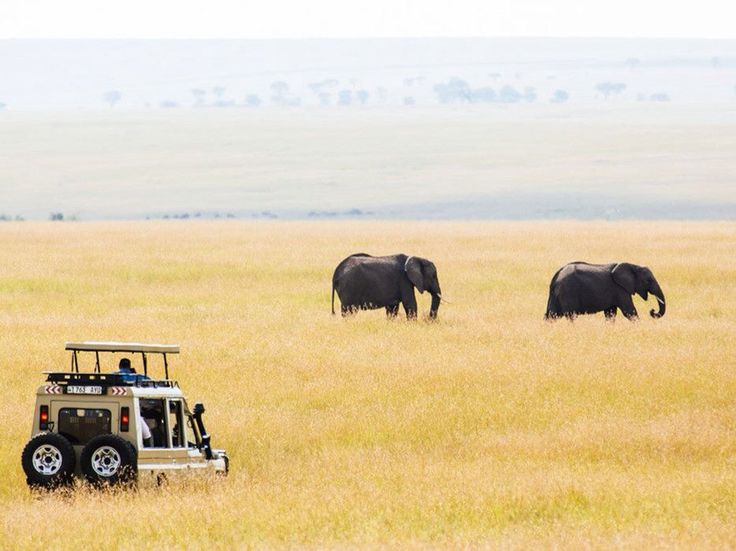
Wildlife sightings are never guaranteed. A leopard that was photographed in the same fig tree for two weeks will, one morning, simply not be there. A migration crossing that drew huge herds for ten days can go quiet the day you arrive, because the wildebeest haven’t decided to move yet. That’s not a failure of the safari. That’s the bush behaving exactly as it should.
The travellers who get the most out of a Kenya safari are the ones who shift from expectation to curiosity. Watching a herd of elephants for forty minutes instead of driving on to the next sighting. Sitting quietly at a waterhole when the obvious action has moved elsewhere. Noticing the birds, the tracks, the behaviour of prey animals that tells you something is nearby. These moments are what a good guide is constantly reading.
Expert Insight: One of our clients came to us wanting five parks in eight days. When we worked through the reality, transfer days, arrival fatigue, time at each camp, it was clear that two ecosystems done properly would deliver far more than five rushed ones. We focused the trip on the Maasai Mara in a private conservancy with three full days, then Amboseli for the final two nights. They saw four of the Big Five, a cheetah hunt, and a lion kill, and spent almost no time on the road. The response afterwards: ‘Why would anyone do it any other way?’
Mistake 5: Assuming All Kenya Safari Packages Are the Same
A common assumption among first-time travellers is that Kenya safari packages are broadly interchangeable, and that price is the main variable to compare. This leads to a lot of disappointment.
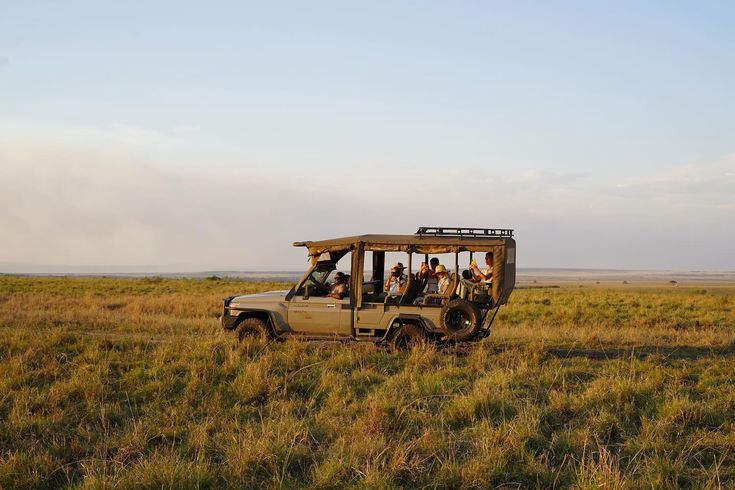
The differences between packages go well beyond cost. Vehicle setup matters: a 4×4 Land Cruiser with a pop-up roof and a maximum of six passengers gives every seat a clear view. A minivan with nine travellers does not. Itinerary quality is the other key variable. A package that moves camps every day, or that routes you through parks in the wrong order relative to transfer times, will drain your time and energy.
A well-built itinerary clusters nearby parks, uses internal flights where distances justify it, and gives you enough nights in each location to actually settle in. Our African safari cost breakdown explains what each tier of spend actually gets you, it’s worth reading before you compare quotes.
Mistake 6: Not Choosing an Experienced, Qualified Guide
Your guide is the single biggest factor in the quality of your Kenya safari. Two travellers in the same park on the same day, one with an experienced certified guide and one without, will have completely different experiences.
Professional guides in Kenya hold certifications from the Kenya Professional Safari Guides Association (KPSGA) at bronze, silver, or gold level. Gold-certified guides have passed rigorous exams in wildlife behaviour, tracking, ecology, and conservation ethics. Always ask your operator for your guide’s specific certification level before you book.
Beyond credentials, there’s the question of local knowledge. A guide who has worked the same ecosystem for years knows the individual animals, the micro-territories, and the daily rhythms of the bush in a way that no amount of general training can replicate. This is why repeating the same park with a different guide, or the same guide, often feels like an entirely different safari.
Once you’re out on a drive, trust your guide’s read of the situation. Brief them clearly at the start of each day, what you most want to see, whether you’re prioritising photography, what your energy levels are. A good guide will calibrate the drive around your priorities. But when they slow down unexpectedly or suggest changing direction, follow their lead. That’s the expertise you’re paying for.
Mistake 7: Booking Your Kenya Safari Too Late
Kenya’s peak safari season runs from July to October, driven by the Great Wildebeest Migration in the Maasai Mara. The best camps in the private conservancies bordering the Mara, Olare Motorogi, Mara North, Naboisho, sell out 9–12 months in advance for this window. August specifically, when river crossing frequency peaks, books out among top properties as early as 12 months ahead.
Late bookings don’t just mean limited choices. They mean higher rates, less desirable rooms, and the possibility of your preferred camp being full entirely. The ripple effect is that you end up in a camp you didn’t plan for, possibly with worse game drive access to the areas you most wanted to cover.
Even outside peak season, booking ahead matters. The Christmas–New Year period books up 6–8 months in advance. January and February, genuinely excellent months for value and wildlife quality, start seeing availability tighten from around September. For peak-season travel, aim to start planning 9–12 months out. For shoulder and green season, 3–6 months is a workable lead time.
Mistake 8: Skipping Health and Medical Preparation
Health preparation is one of the most skipped steps in safari planning, and one of the most consequential if you get it wrong. Kenya is a malaria-risk destination year-round, with transmission risk varying by region and season. Most safari parks fall within malaria zones.
Malaria prevention medication needs to start before you travel, the lead time depends on which option your doctor prescribes, but most require beginning 1–2 weeks before departure. Yellow fever vaccination is required for travellers arriving from yellow fever-endemic countries. Typhoid and hepatitis A vaccinations are also routinely recommended. Consult a travel health clinic 4–6 weeks before departure to get everything in order.
Beyond vaccinations, travel insurance with emergency medical evacuation cover is non-negotiable for remote park areas. Safari camps in places like Samburu, Laikipia, and Tsavo are far from major hospitals, evacuation in a medical emergency requires specialist cover, not standard travel insurance. AMREF Flying Doctors is the primary evacuation provider in East Africa, and many operators either include or recommend this cover.
Mistake 9: Choosing the Wrong Safari Style
Kenya safari options range from budget camping inside national parks to exclusive private conservancy lodges with private plunge pools and dedicated vehicles. The mistake many first-timers make is choosing a style that doesn’t match their actual comfort level, either underestimating how much accommodation quality matters on a long trip, or overspending on luxury when simpler options would suit them just as well.
A few honest questions help clarify this quickly. Can you sleep well in a tent without air conditioning? Are you comfortable with shared bathrooms? Do you want a private vehicle, or are you happy in a group? Do you need a swimming pool between drives, or are you content to be in the field all day?
Budget camping safaris using public campsites inside parks cost $30–$50 per person per night for accommodation, genuinely affordable, and the wildlife experience inside the park is identical to what a luxury lodge offers. Mid-range tented camps typically run $200–$500 per person per night all-inclusive. Luxury conservancy experiences range from $800 to over $2,500. The biggest driver of a great safari, at any price point, remains the quality of the guiding and the itinerary structure. See our full range of Kenya safari packages across all tiers for a direct comparison.
Mistake 10: Overlooking Kenya’s Culture and Local Communities
Many first-time travellers focus entirely on wildlife and treat everything else as background. This is a genuine missed opportunity, and in some cases it creates uncomfortable moments that were easy to avoid.
Kenya’s cultures are part of the safari experience, not a sideshow. The Maasai communities that live alongside the Mara ecosystem, the Samburu people of northern Kenya, and the coastal Swahili culture each offer a depth that adds real meaning to what you’re seeing in the bush. A guide explaining the relationship between a Maasai community and the wildlife on their land changes how you understand the whole landscape.
Travelling with respect and genuine curiosity makes a difference in practice too. Ask before photographing people. Learn a few words of Swahili, ‘jambo’ (hello) and ‘asante’ (thank you) go a long way. If you visit a community or cultural site, engage with it properly rather than treating it as a photo stop. Travellers who do this consistently describe it as one of the most memorable parts of their trip.

Mistake 11: Planning Without a Safari Specialist
DIY safari planning is possible. But for most first-time travellers, trying to manage the logistics independently, park permits, camp availability, internal flights, transfer timing, seasonal routing, without deep local knowledge is a false economy.
A good safari specialist knows which camps have game drive access to the best areas, which combination of parks makes sense for your specific dates, and where the common pitfalls are for your chosen itinerary. They also carry responsibility for what happens if something goes wrong. Always verify that your operator is TRA-accredited before booking. The Tourism Regulatory Authority (TRA) registers and audits Kenya safari operators, accreditation is a baseline indicator of legitimacy and insurance coverage.
The difference between a locally based specialist and a global package broker is significant. Local operators have real-time camp availability, current wildlife intelligence, and relationships with conservancies that affect what they can arrange for you. If something needs adjusting mid-trip, a camp change, a weather-related reroute, a spontaneous extension, they can actually make it happen.
What a Well-Planned First Kenya Safari Actually Looks Like
If you have six days, a common first-trip window, here is the structure that delivers the best results:
- Days 1–4: Maasai Mara or a private conservancy bordering the Mara. Four nights, one camp, dedicated vehicle and guide. Morning and afternoon game drives every day. No transfer days.
- Days 5–6: Amboseli by internal charter flight (45–55 minutes). Arrive for an afternoon game drive. Two mornings with elephants and Kilimanjaro before your transfer to Nairobi for departure.
This covers two iconic ecosystems, avoids a 5–7 hour road transfer, and delivers at least eight dedicated game drives. For cost planning, our African safari cost breakdown shows exactly what each element costs and where the budget is best allocated.
With eight to ten days, a third ecosystem becomes viable. Ol Pejeta Conservancy in Laikipia or Samburu in the north each add species and landscapes not found in the south. Both connect efficiently via charter flight.

Frequently Asked Questions
How many parks should a first-time Kenya safari traveller visit?
One to two parks is the right target for most first-time travellers on a trip of seven days or fewer. The minimum worth applying is three nights per location, any less and you haven’t had time to settle in, and your guide hasn’t had time to build the local knowledge that produces the best sightings. Three parks become viable with nine or more days, and internal charter flights make the logistics significantly cleaner than road transfers.
Is it better to stay in the Maasai Mara National Reserve or a private conservancy?
For first-time travellers, a private conservancy generally delivers a better experience. Conservancies surrounding the Mara, Olare Motorogi, Naboisho, Mara North, enforce strict vehicle limits, permit off-road driving, and allow night game drives. None of these apply inside the national reserve. The wildlife is the same, and migration crossings occur on both sides of the boundary. The conservancy fees add to the cost, but the quality difference is real. For a full comparison, see our guide on Kenya conservancy vs national park costs.
When should I book a Kenya safari to get the best camps?
For July to October peak season, particularly August for the Migration river crossings, book 9 to 12 months in advance. Top camps in the private Mara conservancies fill up for August as early as 12 months ahead. For shoulder season (January to February, June), three to six months of lead time is generally enough. The Christmas to New Year period is an exception, it books up 6 to 8 months ahead despite falling in the short rains season.
What health preparation do I need before a Kenya safari?
Start with a travel health clinic appointment 4 to 6 weeks before departure. You’ll need to discuss malaria prevention medication, Kenya is a malaria-risk destination year-round, and prevention needs to begin before travel. Yellow fever vaccination is required if arriving from a yellow fever-endemic country. Typhoid and hepatitis A are routinely recommended. Separately, ensure your travel insurance includes emergency medical evacuation cover, this is essential for remote park areas far from major hospitals.
What is the minimum number of days for a Kenya safari?
Five days is the practical minimum for a single-park safari. That gives you three full game drive days with arrival and departure on either side. Seven days is the better target for most first-timers, enough for two ecosystems with an internal flight between them. The common mistake is treating five days as enough time to visit three or four parks. It isn’t, and the attempt produces a road trip rather than a safari.
What do I need to know about Kenya visa requirements before booking?
Kenya no longer issues traditional tourist visas. Almost all international visitors, including travellers from the UK, US, Australia, and Europe, need an Electronic Travel Authorization (eTA) approved before departure. Apply through the official government portal at least two weeks before travel. For a full step-by-step guide, see our Kenya safari visa requirements post.
How do I know if a Kenya safari operator is legitimate?
Check that the operator is registered with the Tourism Regulatory Authority (TRA), Kenya’s official body for licensing and auditing safari operators. Also check independent reviews on TripAdvisor and SafariBookings. A legitimate operator will be transparent about guide certifications, vehicle specs, and what is included in your package. Be cautious of packages that are significantly cheaper than the market rate without a clear explanation of what has been reduced.
What should I bring on a Kenya safari as a first-time traveller?
Neutral-coloured lightweight clothing for warm days, a fleece or light jacket for early morning drives (temperatures drop significantly before sunrise), quality binoculars, high-SPF sunscreen, a buff or lightweight scarf for dust on open vehicle drives, and a good camera with extra memory cards. For a full list by season, see our Kenya safari packing guide.
Conclusion: The Biggest Mistakes First-Time Kenya Safari Travellers Make Are All Avoidable
The biggest mistakes first-time Kenya safari travellers make come down to a few consistent patterns: doing too much in too little time, picking parks without checking the season, booking late, skimping on health preparation, and arriving with expectations that don’t leave room for what the bush actually offers.
None of these mistakes are complicated to fix. They just require building the itinerary around what you most want to experience, not how many parks you can claim to have visited, and working with an operator who will be honest with you when the plan is trying to do too much.
A well-paced Kenya safari with two ecosystems and enough nights in each will be remembered far longer than a five-park sprint. The stillness of an early-morning drive before anyone else is moving. The patience of waiting at a crossing point until the wildebeest commit. The moment your guide says nothing, cuts the engine, and lets you watch.
That’s what a first Kenya safari should feel like.
Written by Linsel Ajode, Senior Safari Specialist at Sola Safari Travels. Linsel has over 5 years of experience planning safaris across Kenya and Tanzania. Sola Safari Travels is a TRA-registered operator rated 5 stars on TripAdvisor, Trustpilot, and SafariBookings.
