
How to Plan the Trip Your Kids Will Never Forget
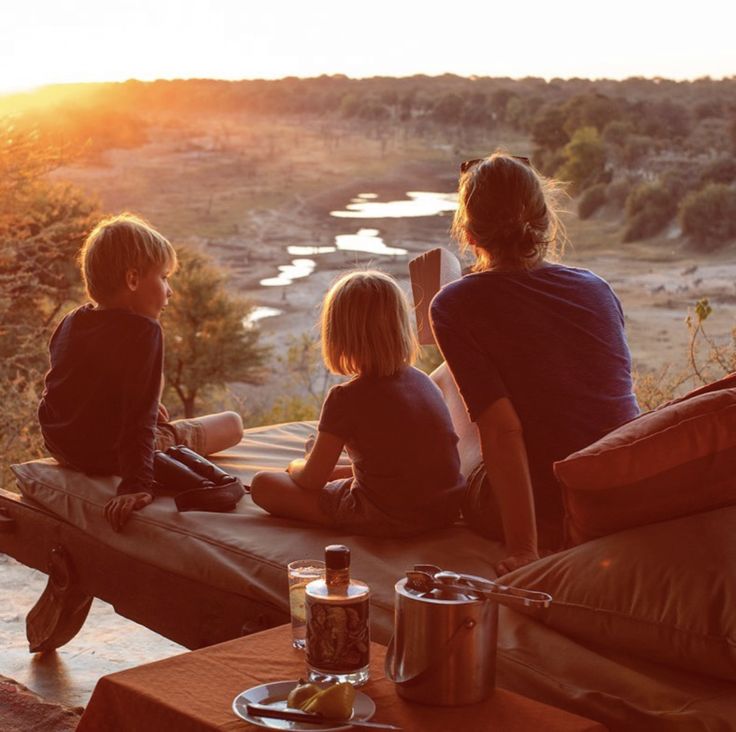
Planning a family safari in Africa is one of the most ambitious holidays you will ever undertake; and one of the most rewarding when it goes well. A safari with kids in Kenya is especially popular for families looking for both adventure and comfort. The team at Sola Safaris has guided families across East Africa for over a decade: Families with toddlers and teenagers, families who were unsure about the practical details and families whose children already knew every animal before arrival. Without exception, every family we have taken on safari has returned with stories they will still be sharing many years later.
The planning, however, requires more thought than a standard adult safari. This guide covers everything you genuinely need to know: the best time to travel, which parks are most suitable for children, age considerations, how to keep kids engaged, and the key details that turn a stressful trip into a smooth and enjoyable experience.
Not sure where to start? We plan family safaris across East Africa every week. Every family is different: different ages, different budgets, different ideas of adventure. Tell us about your family and we will do the planning for you. No pressure, no obligation. [Start planning your family safari →]
Is Africa Appropriate for Children?
Yes, with the right preparation, the right destination, and the right operator. A safari is not a theme park. Children experience real wildlife: animals hunting, mating, fighting, and dying. This is part of what makes it extraordinary, and most children handle it with more maturity and wonder than adults expect. A ten year old who watches a cheetah take a gazelle is unlikely to be traumatised. They are more likely to ask incredibly thoughtful questions about predator-prey relationships for the rest of the drive.
That said, certain environments and activities are more family appropriate than others. A luxury walking safari through remote wilderness is not the right choice for a family with a five year old. A comfortable tented camp with a family suite, a children’s activity programme, and a knowledgeable guide who loves working with young guests is a completely different story.
Best Age for a Family Safari in Africa
Choosing the best age for a family safari in Africa helps you plan better and enjoy a smoother trip. Different age groups experience safari in different ways, so understanding what works best will make the journey more enjoyable for both children and parents.
Under 5: An African safari for families with toddlers is possible, but it requires a very specific type of camp, shorter game drives, afternoon in-camp activities, and ideally a dedicated child-minder. Manage expectations: the experience is magical, but the logistics need flexibility.
5 to 10 years: An excellent safari age. Children in this range are curious, engaged, and thrilled by animals. Most quality family camps welcome children from age 5 or 6. Activity programmes designed for this age group: bush walks, tracking exercises, and Maasai cultural visits add great value.
10 to 16 years: Arguably the best safari age of all. Older children and teenagers engage deeply with guides, ask sophisticated questions, and are physically capable of walking safaris and longer game drives. A teenager who has been lukewarm about “a holiday to Africa” will almost always return as its most enthusiastic advocate.
16 and above: Treated largely as adults in terms of activities and access. A 17 year old with a serious interest in conservation or wildlife biology can participate in almost every activity a standard safari offers.
Best Family Safari Destinations in Africa
When choosing the best family safari destinations, it’s important to focus on places with great wildlife, shorter travel times, and activities that keep children engaged. Below are some of the top family-friendly safari locations in East Africa:
Maasai Mara, Kenya
A Maasai Mara family safari is our top recommendation for families. The Mara offers exceptional wildlife density, and the chances of seeing all the major species, including big cats with cubs, within the first two or three days are extremely high. Early success keeps children engaged and builds excitement for the rest of the journey. Many camps in the surrounding private conservancies offer excellent family accommodation, with interconnecting tents or dedicated family units, along activities designed specifically for children.
Amboseli, Kenya
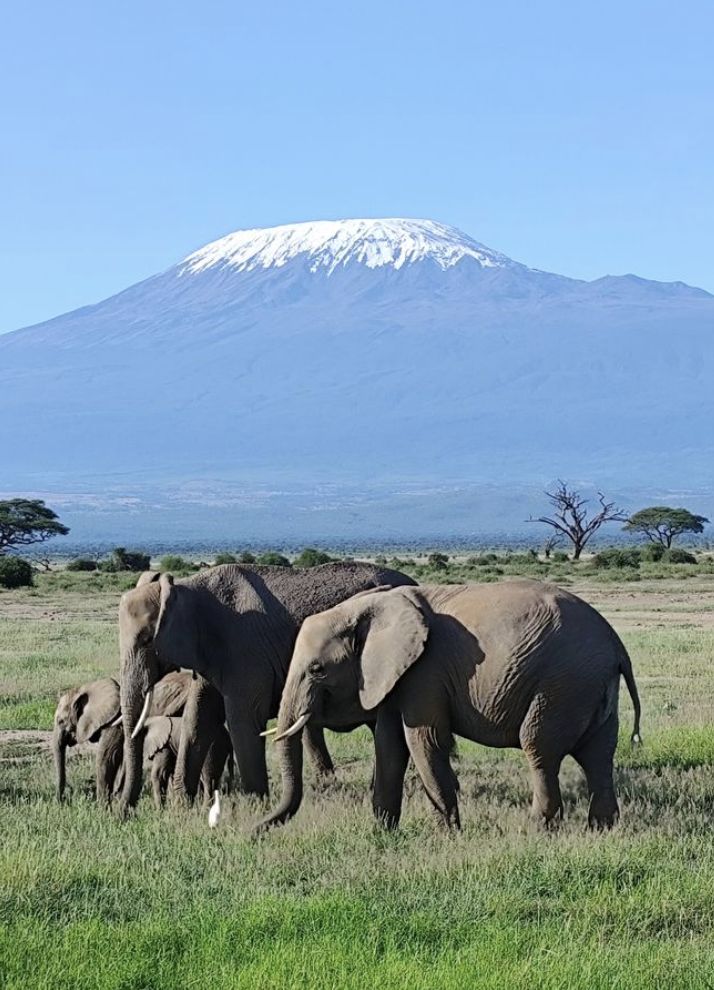
An Amboseli safari with kids is perfect for families who want an iconic and immediate wildlife experience. The elephant herds here are some of the most habituated in Africa; you can watch them at very close range across open plains with Mount Kilimanjaro in the background. No child leaves Amboseli without a deeper appreciation for elephants. The park is compact and rich in wildlife, making it ideal for younger children with shorter attention spans on game drives.
Ngorongoro Crater, Tanzania
The crater is one of the most family friendly wildlife experiences in East Africa. Within a single day, children can see lions, elephants, hippos, flamingo, rhino, and wildebeest all within a contained, scenically extraordinary landscape. The crater descent is dramatic and memorable in itself. Pair it with a night in a lodge on the crater rim and the experience is genuinely magical.
Samburu, Kenya
For families returning for a second safari, or those who want something beyond the classic Mara experience, Samburu in northern Kenya offers completely different wildlife. The dry, acacia-dotted landscape and the Northern Frontier species: reticulated giraffe, Grevy’s zebra, beisa oryx, and Somali ostrich, feel different and exciting to children who are already familiar with the southern parks.
Not sure which destination suits your children’s ages and interests? The Mara is spectacular for big cat sightings. Amboseli is built for elephant lovers. Ngorongoro delivers in a single day. Our team will match your family to the right destination based on your children’s ages, travel dates, and what they are most excited to see. [Get a personalised family itinerary →]
Best Time for a Family Safari in Africa
Choosing the right time of year is just as important as choosing the right destination, especially when travelling with children. The good news is that Kenya offers excellent family safari conditions for most of the year. Here is a simple breakdown to help you plan.
July to October — Peak Season (Highly Recommended)
This is the dry season and the best overall time for a family safari in Africa. Vegetation is low, which means animals are easier to spot: a genuine advantage when travelling with younger children who need quick, visible results to stay engaged. The Great Migration river crossings also occur during this period in the Maasai Mara, making it one of the most spectacular times to visit. Expect higher prices and busier camps. Book at least nine months in advance if you are travelling during school holidays in July and August.
January and February — Short Dry Season (Excellent Value)
This is one of our favourite times to bring families to East Africa. The weather is warm and dry, game viewing is superb, and there are far fewer vehicles on the roads than in peak season. Accommodation rates are also lower. If you are combining Kenya with Tanzania, this is the calving season in the southern Serengeti, watching thousands of newborn wildebeest is an extraordinary experience for children of any age.
November and December — Shoulder Season (Good with Caveats)
The short rains fall in November, typically in short afternoon bursts rather than all-day downpours. The landscape is beautifully green, wildlife is active, and prices are good. December is a popular month for family travel, so book early. Christmas and New Year weeks fill up fast at the best family camps.
March to May — Green Season (Best for Budget Families)
The long rains make this the quietest and most affordable season. Some remote camps close during this period, but many family-friendly properties remain open with significantly reduced rates. Game viewing is good, though animals are more dispersed as water is available everywhere. Roads can be muddy, factor this in if travelling with very young children.
Quick tip: Whichever season you choose, the school holiday calendar matters as much as the wildlife calendar. July to August and December to January are peak family travel periods in the US and UK, plan and book early to secure the best family accommodation.
What to Look for in a Family Safari Camp
Choosing the right child-friendly safari lodge is arguably the single most important planning decision for a family trip. The right camp will shape your entire experience, from comfort and safety to how engaged your children feel throughout the safari.
- Family suites or interconnecting tents — privacy and space matter on a longer trip. Spacious tents with private verandas give everyone room to relax after a day of adventure
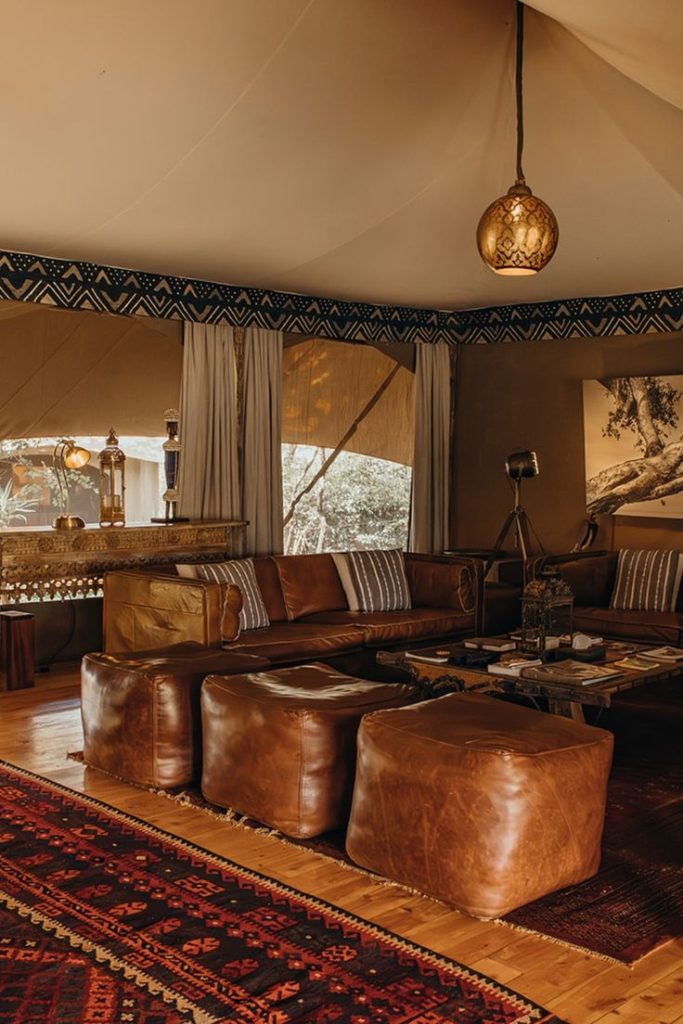
- A minimum age policy that matches your children’s ages (this indicates the camp has thought about family suitability)
- An in-house children’s or bush education activities — not just standard adult game drives
- A pool (where safe and appropriate) — children benefit from downtime in the heat of the afternoon
- A guide experienced with children — ask specifically whether your guide has worked with families before
- Good medical access or proximity to an airstrip — important for any family travelling with young children
Keeping Children Engaged on Game Drives
The number one concern parents express before a family safari is whether their children will cope with long hours in a vehicle. Here is what the team at Sola Safaris learned from experience:
- Break game drives into morning and afternoon sessions with a proper rest at camp midday. Most reputable operators do this naturally.
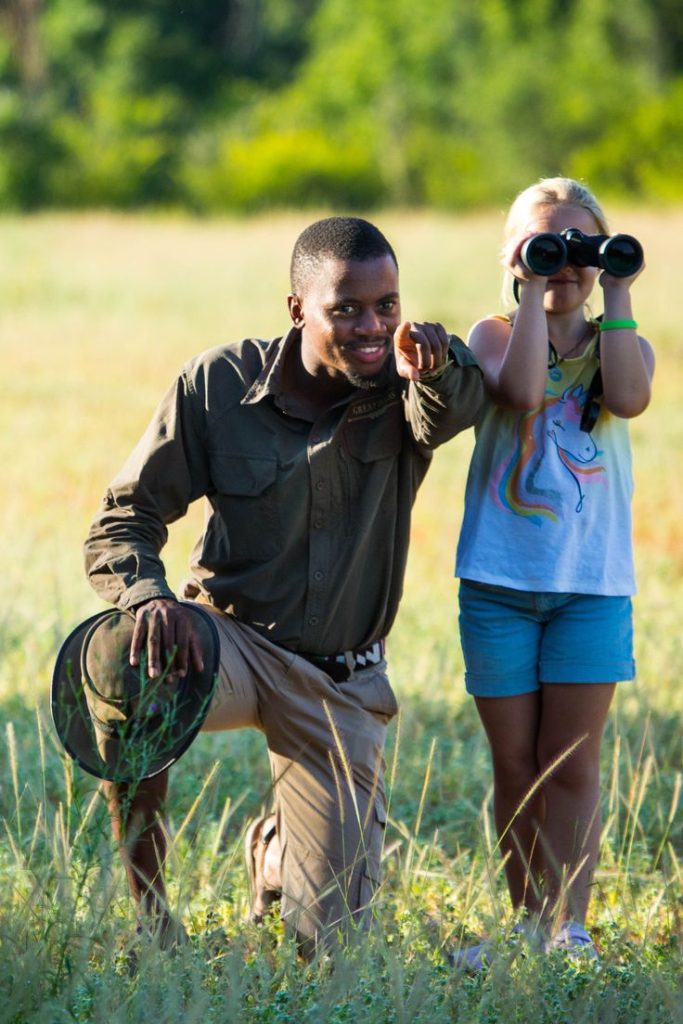
- Give children a specific job: photographer, binocular operator, or wildlife tracker keeping a list of everything spotted. Children who feel purposeful stay engaged far longer.
- Ask your guide to involve children directly. The best guides naturally speak to children, show them tracks, let them hold a dung beetle, or explain why a giraffe has such a long neck in a way that sparks genuine curiosity.
- Bring a wildlife identification book or app at the right level for their age. Many children turn the trip into a personal identification challenge.
- Accept that some drives will not be perfect. A bored seven year old on an afternoon when the animals are resting is part of the experience — and the contrast makes the incredible moments even more vivid.
Practical Family Safari Considerations
Health and Vaccinations
All family members should visit a travel health clinic at least six weeks before departure. Yellow fever vaccination, malaria prophylaxis (for children this requires careful paediatric dosing, consult your doctor), and routine vaccinations should be up to date. Bring a comprehensive first aid kit including children’s paracetamol, antihistamine, and any prescription medication needed.
What to Pack for a Safari With Kids
When thinking about what to wear on a safari with children, choose neutral colors like khaki, olive, beige, and grey, as they are practical and suitable for the bush. Avoid blue, as it can attract tsetse flies in some areas. Pack layers for early morning game drives, which can be surprisingly cold, even during warmer months at higher altitudes. Sun protection is essential: bring high-factor SPF, a wide-brim hat, and UV-protective clothing for long drives. Binoculars sized for children’s smaller faces also make a big difference in keeping them engaged.
Food
Good safari camps cater well for children. Most serve international food alongside local options, and dietary requirements are accommodated with advance notice. Bring a small bag of familiar snacks from home for younger children, the reassurance of something known helps in an unfamiliar environment.
Sleeping Arrangements
Young children who have never slept in a tent before should know what to expect before the trip. Brief them on the sounds of the bush at night: hyena calling, hippos grunting, insects, wind through the canvas. These sounds are deeply exciting when you know what they are, and completely alarming when you do not. Framing the experience before arrival makes the first night transformative rather than frightening.
A Sample 7-Night Family Itinerary
Night 1 — Nairobi: Arrival and Rest
Fly into Jomo Kenyatta International Airport, Nairobi. After a long international flight, keep the first afternoon simple, check in, rest, and let the children adjust to the new time zone. A swim and an early dinner at the hotel sets everyone up for the days ahead.
Day 2 — Nairobi: First Wildlife Experience
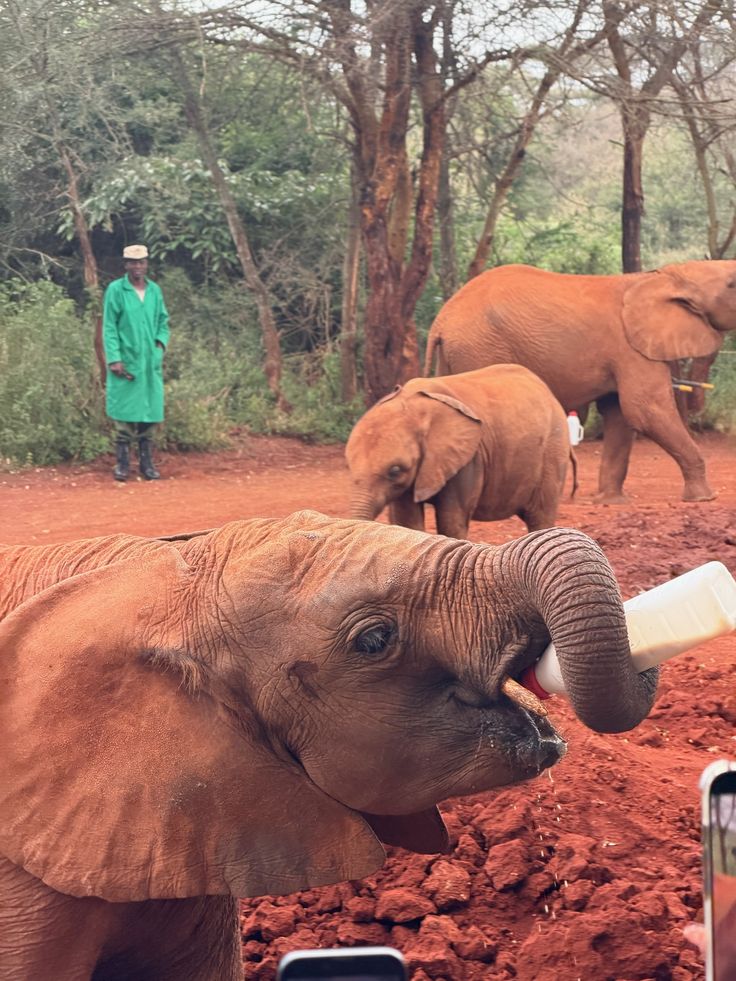
Start the morning with a visit to Nairobi National Park, the only national park in the world located within a capital city. Game drives here take approximately 2 to 3 hours and offer a genuine introduction to Kenya’s wildlife, including lions, buffalo, giraffe, and rhino, all against the backdrop of the city skyline. In the afternoon, visit the David Sheldrick Elephant Orphanage for the 11 AM or 3 PM feeding hour (pre-book online, spots fill quickly). Watching orphaned baby elephants being bottle-fed is an experience children remember for years. No travel required today, both attractions are within 30 minutes of Nairobi city centre.
Day 3 — Transfer to Maasai Mara (Nights 3–5)
Travel time: 45-minute light aircraft flight from Wilson Airport, Nairobi, OR a 5 to 6-hour road transfer via highway through Narok.
We strongly recommend the flight for families, especially those travelling with children under 10. Wilson Airport is a small, relaxed domestic terminal approximately 15 minutes from most Nairobi hotels. The flight itself, a low-altitude hop over the Rift Valley and the Mara plains, is a memorable part of the trip and lands you directly at the conservancy airstrip, typically within 20 minutes’ drive of your camp.
If you opt for the road transfer, depart Nairobi by 7 AM to arrive before lunch. The road passes through local towns and scenic highland landscapes, but the final section on unpaved roads can be bumpy, pack snacks and plan for rest stops.
Upon arrival at your private family camp in the Maasai Mara conservancy, enjoy lunch, settle in, and take an afternoon game drive.
Days 4 and 5 — Full Days in the Maasai Mara Two full days of morning and afternoon game drives in the conservancy. Activities to include:
- Morning game drives departing at 6:30 AM, returning by 10 AM for breakfast
- Afternoon drives departing at 4 PM, returning at dusk
- A guided Maasai village visit (approximately 1.5 hours, $30–$50 per person)
- An age-appropriate guided bush walk with a ranger (suitable from age 8, typically 1 to 2 hours)
Day 6 — Transfer to Amboseli (Nights 6–7)
Travel time: 45 to 55-minute light aircraft flight from the Mara airstrip to Amboseli airstrip, OR a 6 to 7-hour road transfer.
The scenic flight from the Mara crosses the Rift Valley and gives clear views of Mount Kilimanjaro on approach to Amboseli on clear mornings, an arrival your children will not forget. Afternoon game drive on arrival, with excellent chances of large elephant herds near the camp.
Day 7 — Amboseli and Departure
An early morning game drive (6 to 9 AM) to catch elephants at their most active and photograph Kilimanjaro before the clouds build. Return to camp for breakfast and a late morning at leisure. Depart by road to Nairobi (approximately 4 hours via Namanga Road) or by charter flight (approximately 45 minutes to Wilson Airport) for your international connection.
Allow a minimum of 4 hours between your Amboseli departure and your international flight. If your flight departs before 9 PM, a midday departure from Amboseli by road is manageable. For evening departures, you have more flexibility.
This itinerary is deliberate: it begins with a gentle introduction in Nairobi, escalates to the high-intensity wildlife of the Mara, and closes with the iconic Amboseli elephants; ensuring the trip ends on a visual high note that children will describe to their friends for years.
Ready to start planning? Tell us your children’s ages and travel dates – we will build your itinerary from scratch. [Contact Sola Safaris — it is free to enquire →]
Frequently Asked Questions
What is the minimum age for a safari in Kenya?
There is no legal minimum age for safari in Kenya’s national parks. However, many individual camps set their own minimum age policies commonly 5 or 6 years. A small number of luxury camps are adults only. We always confirm age suitability with camps before recommending them for families.
Is malaria a risk for children in Kenya?
Malaria is present in most safari regions of Kenya and is a serious consideration for children. Paediatric malaria prophylaxis is available, consult your travel health physician for the appropriate dosage by weight and age. Anti-mosquito measures (repellent, long sleeves at dusk) should also be applied consistently.
Are walking safaris suitable for children?
Child-appropriate bush walks; typically one to two hours on flat terrain with an experienced ranger, are offered at many family camps from around age 8. Full walking safaris (multi-hour or multi-day) are generally recommended from age 14 to 16. Always confirm with the specific camp.
Will children be safe from animals at camp?
Reputable camps are designed with safety in mind. Canvas walls do not make tents impenetrable; animals do occasionally wander through campsites, but this is part of the genuine bush experience and is managed safely. Children are briefed and escorted by camp staff after dark. The team at Sola Safaris has never had a safety incident with a child in our many years of family safari operations.
What is the best time of year for a family safari in Kenya?
The long dry season (July to October) offers the best game viewing and the most reliable weather. School holiday periods in July and August are busy and require advance booking. January and February are also excellent, with fewer visitors and the calving season in Tanzania if combined with a cross-border trip.
The Sola Safaris team has designed and operated family safaris across East Africa for over a decade. We welcome enquiries for children of all ages and build every family itinerary from scratch around your specific group.