DESTINATION GUIDE // KENYA
Masai Mara Safari: National Reserve Travel Guide
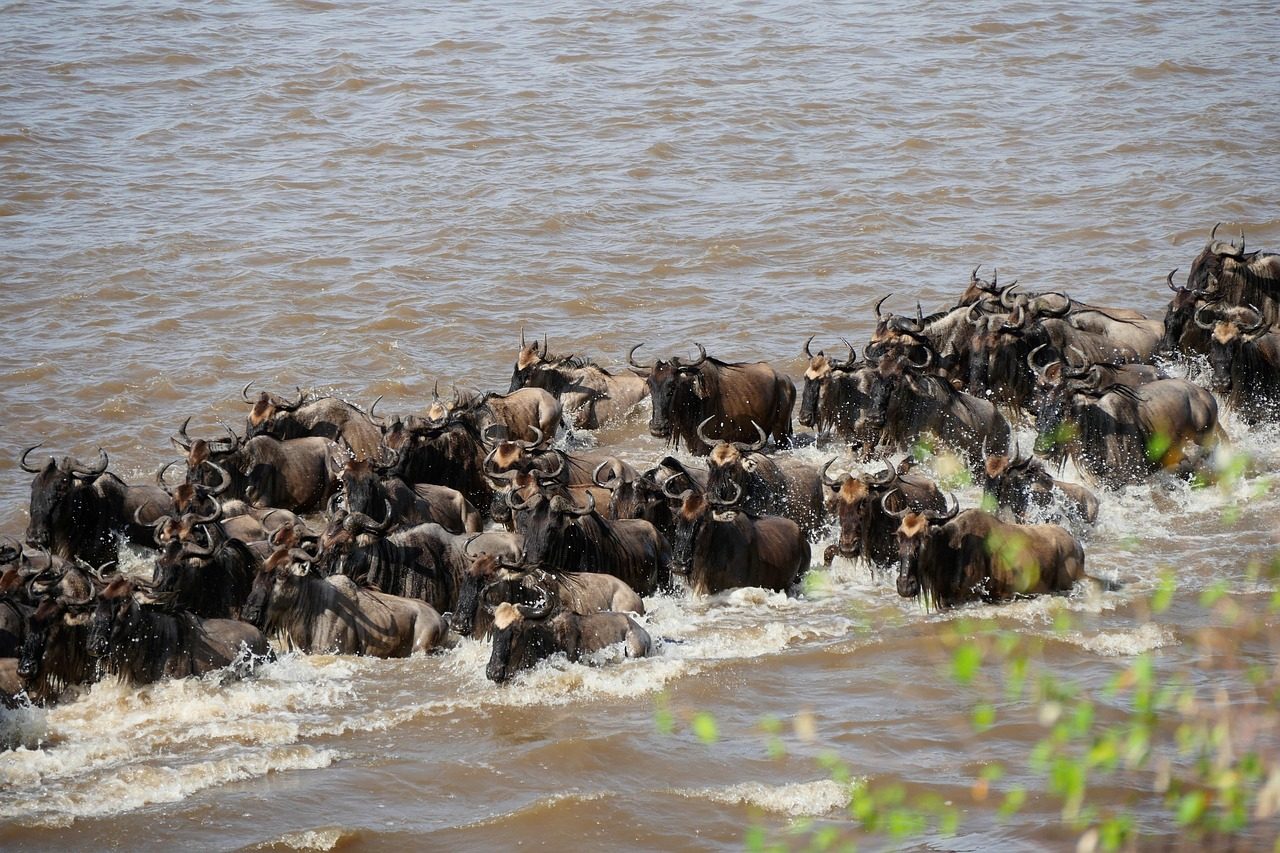
Where the landscape has grassy plains and rolling hills, lions rule the plains and over two million wildebeest storm the Mara every year.
1,510 km2
RESERVE AREA
500+
MAMMAL & BIRD SPECIES
Jul to Oct
PEAK SEASON
30+
LODGES AND CAMPS
Big Five
ALL RESIDENT
Quick answer: The Masai Mara, often spelled Maasai Mara, is a national reserve in southwestern Kenya, in Narok County, on the border with Tanzania. It is the northern extension of the wider Mara-Serengeti ecosystem and covers roughly 1,510 square kilometres, about a 5 to 6 hour drive or a 45 minute flight southwest of Nairobi.

OVERVIEW AND LOCATION
Masai Mara National Reserve At A Glance
The Masai Mara National Reserve sits in Narok County in southwestern Kenya, on the border with Tanzania, and forms the northern end of the Mara-Serengeti ecosystem. It covers roughly 1,510 square kilometres of open savanna, riverine forest along the Mara and Talek rivers, and rolling grassland broken by the Oloololo escarpment on its western edge. A ring of community-owned conservancies adds a similar area again on the northern and eastern boundaries.
History. The reserve began in 1961 as a small wildlife sanctuary. It expanded through the decade and was granted full National Reserve status in 1974, when a portion of land was returned to the local Maasai community. That arrangement, where people, livestock and wildlife share the same landscape, still holds today through the conservancy network and is a large part of why the ecosystem remains intact.
Terrain. Mostly open grassland at around 1,500 to 2,180 metres, with acacia thickets, seasonal marshes such as Musiara, and gallery forest along the rivers. The flat, treeless plains are what make big cat sightings here so reliable.
| Gate | Best for | Hours |
|---|---|---|
| Sekenani | The main eastern gate, closest to Nairobi by road | 6am to 6pm |
| Talek | Central reserve and Talek river camps | 6am to 6pm |
| Oloololo | The Mara Triangle and the western escarpment | 6am to 6pm |
| Musiara | Northern reserve and the Musiara marsh prides | 6am to 6pm |
| Sand River | The Tanzanian border and Serengeti crossings | 6am to 6pm |
Game drives are permitted between 6am and 6pm inside the reserve. Night drives are not allowed in the reserve itself, only in the surrounding private conservancies.
GETTING THERE
How To Get To The Masai Mara
There are two realistic ways in, and the right one depends almost entirely on how many days you have.
Step one: fly into Nairobi. Almost every international visitor arrives at Jomo Kenyatta International Airport. Domestic flights to the Mara leave from Wilson Airport, about 45 minutes across the city, so allow a comfortable gap or an overnight in Nairobi if your international arrival is late.
Step two: Nairobi to the Mara.
| Option | Time | What to know |
|---|---|---|
| By air | 45 minutes | Scheduled morning and afternoon departures from Wilson to Keekorok, Ol Kiombo, Musiara, Mara Serena or Kichwa Tembo. The best choice on any trip under five days, and the 15 kg soft bag limit applies |
| By road | 5 to 6 hours | Tarmac as far as Narok, then a rough final stretch to the gates. A four wheel drive is essential in the wet season. Cheaper, and you see the Rift Valley escarpment on the way |
| From the coast | 2 hours flying | Diani or Mombasa to the Mara airstrips, usually connecting through Nairobi. Booked as one ticket so a delay does not strand you |
| From the Serengeti | Road or air | Cross at Isebania by road, or fly Mara to Serengeti in season. Vehicles do not cross the border, so you change vehicle and guide |
ENTRY FEES
Masai Mara Park Fees
Maasai Mara fees are set by Narok County Government, not by Kenya Wildlife Service, and they changed for 2026. A ticket buys a 12 hour window from 6am to 6pm, not a full 24 hours, and the peak rate now doubles the low season rate.
| Category | Fee | Notes |
|---|---|---|
| Non-resident adult, 1 Jul to 31 Dec | USD 200 | Per 12 hour ticket, 6am to 6pm |
| Non-resident adult, 1 Jan to 30 Jun | USD 100 | Per 12 hour ticket, 6am to 6pm |
| Child aged 9 to 17 | USD 50 | All year. Under 9 enter free |
| Private conservancies | USD 70 to 130 per night | Set by each conservancy and usually built into the camp rate |
Paying at the gate. The reserve is cashless. Payment is by card or M-Pesa, and cash is not accepted. On every Sola Safari itinerary your fees are included and your driver guide settles them. Keep your ticket, because it is checked on exit and at internal gates.
Rates shown are the published Narok County figures for 2026. Fees are revised periodically, so we confirm the current amount in writing with every quote rather than quoting from memory.
SAFARI COSTS
What A Masai Mara Safari Costs
Park fees alone are USD 100 to USD 200 per person per day before anything else, so the biggest variable in your total is where you sleep and how many people share your vehicle.
| Style | Per person per day | What you get |
|---|---|---|
| Budget | USD 150 to 220 | Shared minivan or four wheel drive, simple camps outside the gates, all park fees included |
| Mid range | USD 250 to 400 | Private four wheel drive with a pop-up roof, tented camps or lodges inside or bordering the reserve, full board |
| Luxury | USD 450 to 800 | Small conservancy camps, night drives and walking safaris, a dedicated guide and vehicle throughout |
| Exclusive | USD 800 and above | Fly-in access, private villas or exclusive-use camps, and a bespoke route |
What moves the price most. Season first, then vehicle. A private vehicle typically adds USD 60 to USD 100 per day across the group but changes every sighting, because you are never waiting on five other people to finish photographing a lilac-breasted roller. Conservancy camps cost more than reserve camps but cap vehicle numbers at a sighting.
Green season savings. Between April and June many camps drop rates by 30 to 40 per cent and the reserve is close to empty. The trade-off is afternoon rain, muddy tracks and grass tall enough to hide a cheetah. For a second or third safari it is excellent value.
BEST TIME TO VISIT
When To Go To The Masai Mara
The Mara is a year-round destination and there is no month with no wildlife. What changes is whether the migration herds are present, how green the landscape is, how many other vehicles you share a sighting with, and what you pay.
| Season | Months | What to expect | Crowds |
|---|---|---|---|
| Peak | Jul to Oct | Migration herds in the reserve, Mara River crossings, dry weather and short grass. The best game viewing of the year | High |
| Dry / High | Jan to Mar | Calving on the plains, outstanding predator activity, clear skies and warm days | Medium |
| Shoulder | Nov to mid Dec | Short rains tailing off, fresh green landscapes, thin crowds and softer rates | Low to medium |
| Green | Apr to Jun | Long rains. Lush and near empty, lowest rates of the year, muddy tracks and tall grass | Low |
For the river crossings aim at August and September, when the herds are moving between the northern Serengeti and the Mara. Crossings are unpredictable by nature. Give yourself at least three nights rather than one, because a single day is a coin toss.
For birdwatching come between November and April, when Palearctic and intra-African migrants arrive and the resident species are in breeding plumage. More than 450 species have been recorded here, and the green season is when the Mara looks least like the postcards and most like itself.
WILDLIFE AND ACTIVITIES
What You Will See and Do in the Masai Mara
The Mara supports one of the densest large-predator populations anywhere in Africa. The open, treeless plains mean sightings are not just frequent but visible, which is why so many wildlife documentaries are filmed here.
What to expect on a Masai Mara safari. A typical day is a game drive from first light to mid morning, a break through the heat of the day, then a second drive from mid afternoon until the gates close. Most guests see lion on their first drive.
Wildlife.
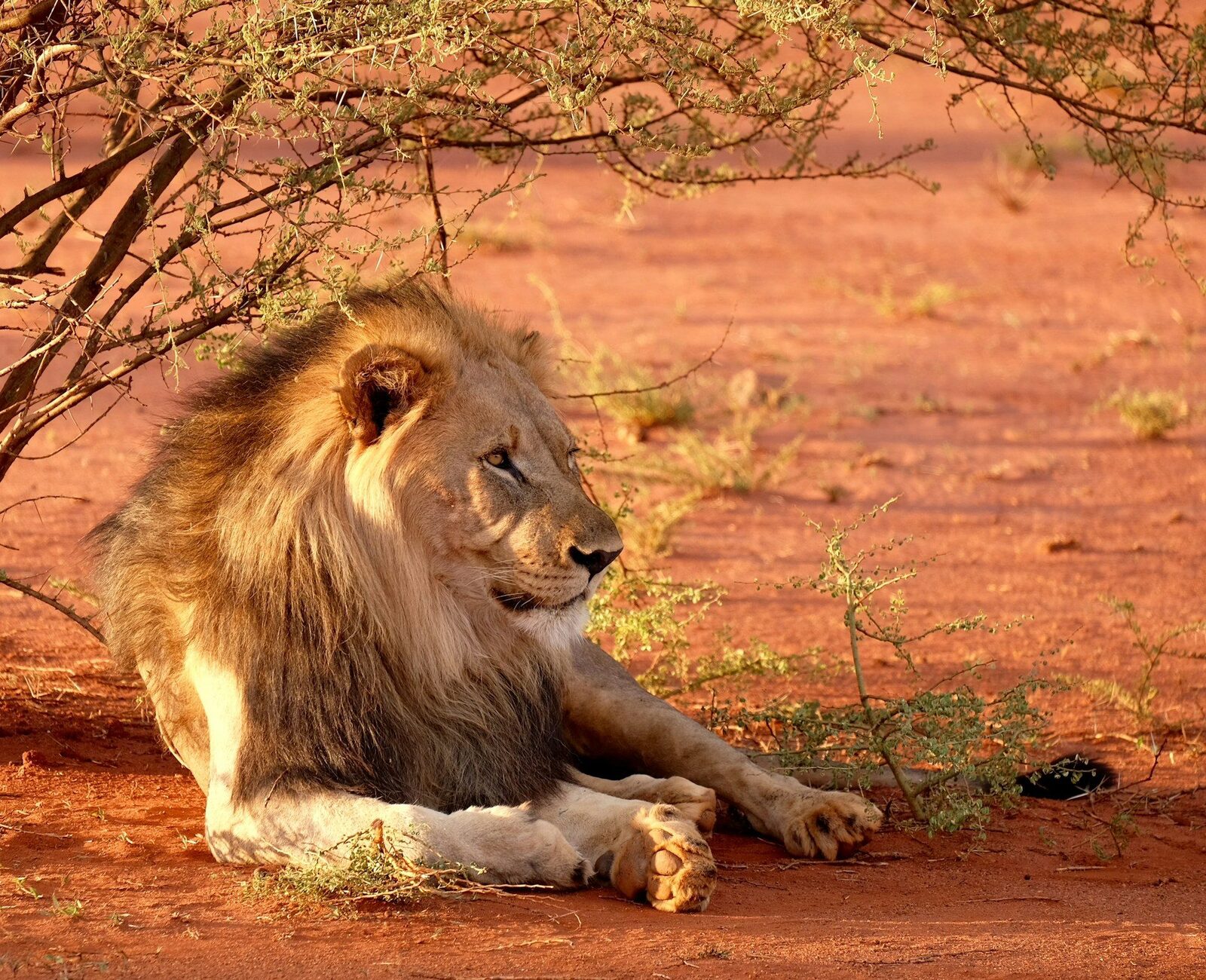
- Lion in well-studied prides on the Musiara marsh and Paradise plains
- Leopard along the Talek and Mara river forest lines, most often at dawn and dusk
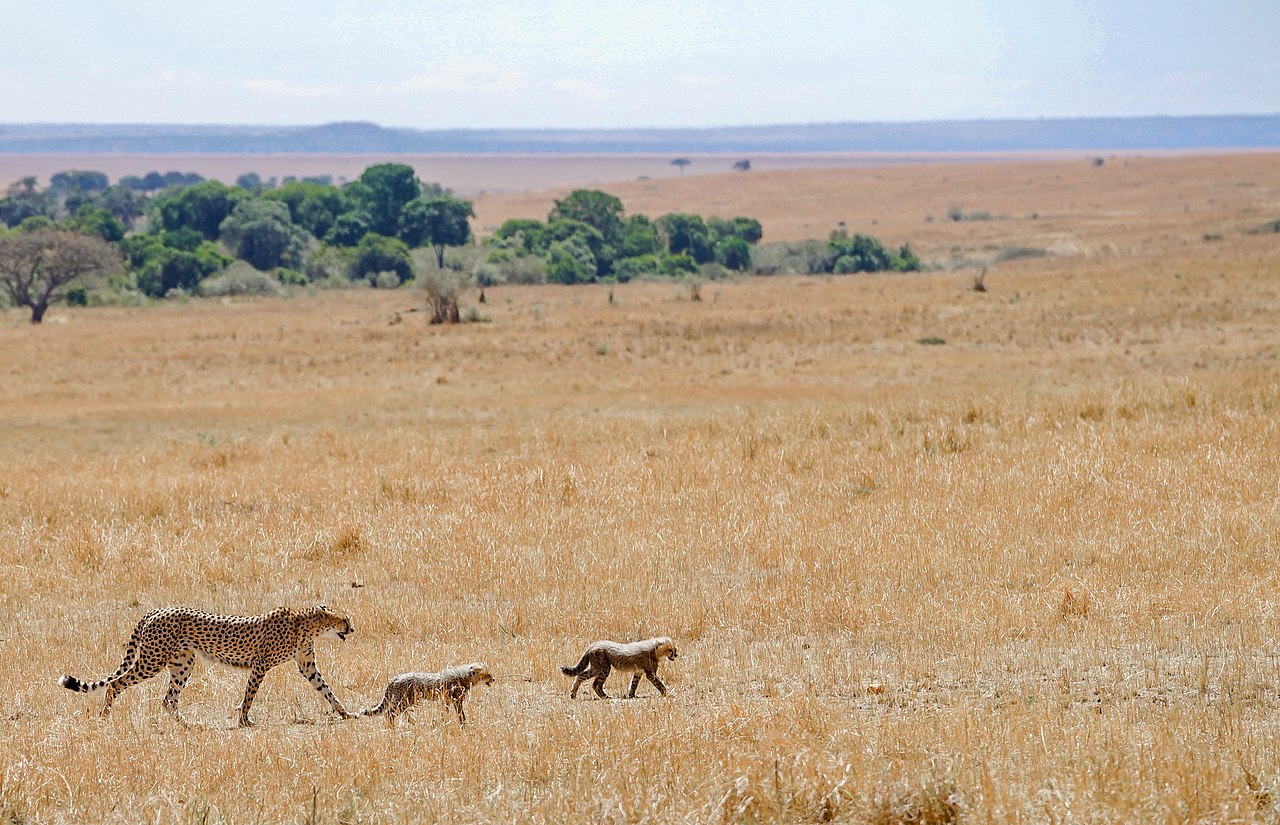
- Cheetah on the short grass, frequently hunting in full daylight
- Elephant and buffalo throughout the reserve all year
- Black rhino in small numbers, most reliably in the Mara Triangle
- Wildebeest and zebra in their hundreds of thousands from July to October
- Plus topi, eland, giraffe, hippo, crocodile and over 450 bird species
Game drives. Included on every itinerary, in a four wheel drive with a pop-up roof. Morning drives are the most productive. Ask your guide for a full-day drive with a packed lunch if you want to reach the Mara Triangle or the Sand River.
Hot air balloon safaris. Lift off before dawn for about an hour over the plains, landing to a champagne bush breakfast. Roughly USD 450 to USD 500 per person and booked well in advance. It is the single most requested add-on we handle.
Guided walking safaris. Not permitted inside the national reserve. Available in the private conservancies with an armed ranger, and the best way to learn tracks, dung and medicinal plants rather than just photographing big animals.
Maasai village visits. Arranged directly with the communities we work alongside, so the fee reaches the village rather than a middleman. Ask before photographing anyone.
Night game drives. Conservancies only, never the reserve. This is when aardvark, serval, genet, bushbaby and hunting leopard appear, and it is the strongest single argument for spending at least two nights in a conservancy.
WHERE TO STAY
Lodges and Camps in the Masai Mara
Where you sleep decides how much of the day you spend driving. A camp inside the reserve or in a bordering conservancy puts you at the best sightings at first light. A lodge outside the gates costs you the two best hours of every day. These are the areas we book most often.
Main Reserve
Central, close to the Talek and Mara rivers and the migration crossing points. Best in peak season when you want to be where the herds are, though vehicle numbers at a sighting are not capped.
Mara North Conservancy
A 30,000 hectare conservancy bordering the reserve to the north. Low vehicle density, night drives and walking permitted, strong resident lion and leopard.
Olare Motorogi Conservancy
One of the lowest guest-to-land ratios in Kenya at roughly one tent per 700 acres. Exceptional big cat viewing and almost no other vehicles.
Mara Naboisho Conservancy
Community owned, strong walking safari programme and one of the highest lion densities in Africa. Good value against the other conservancies.
Mara Triangle
The western third, managed separately by the Mara Conservancy. Fewer vehicles than the eastern reserve, the best road network and the most reliable rhino sightings.
Outside the Gates
Lodges around Sekenani and Talek gates are the cheapest option. Budget an extra 40 to 60 minutes each way to reach the good game areas.
SAFARI PACKAGES
Safaris That Include The Masai Mara
Every itinerary below is a private departure, so dates and pace are built around you rather than a fixed group schedule.
3 DAYS / 2 NIGHTS
3 Days Masai Mara Safari
The classic short Mara trip. Game drives, Maasai village visits and luxury camp stays.
From $550 per person
5 DAYS / 4 NIGHTS
5 Days Kenya Wildlife Circuit
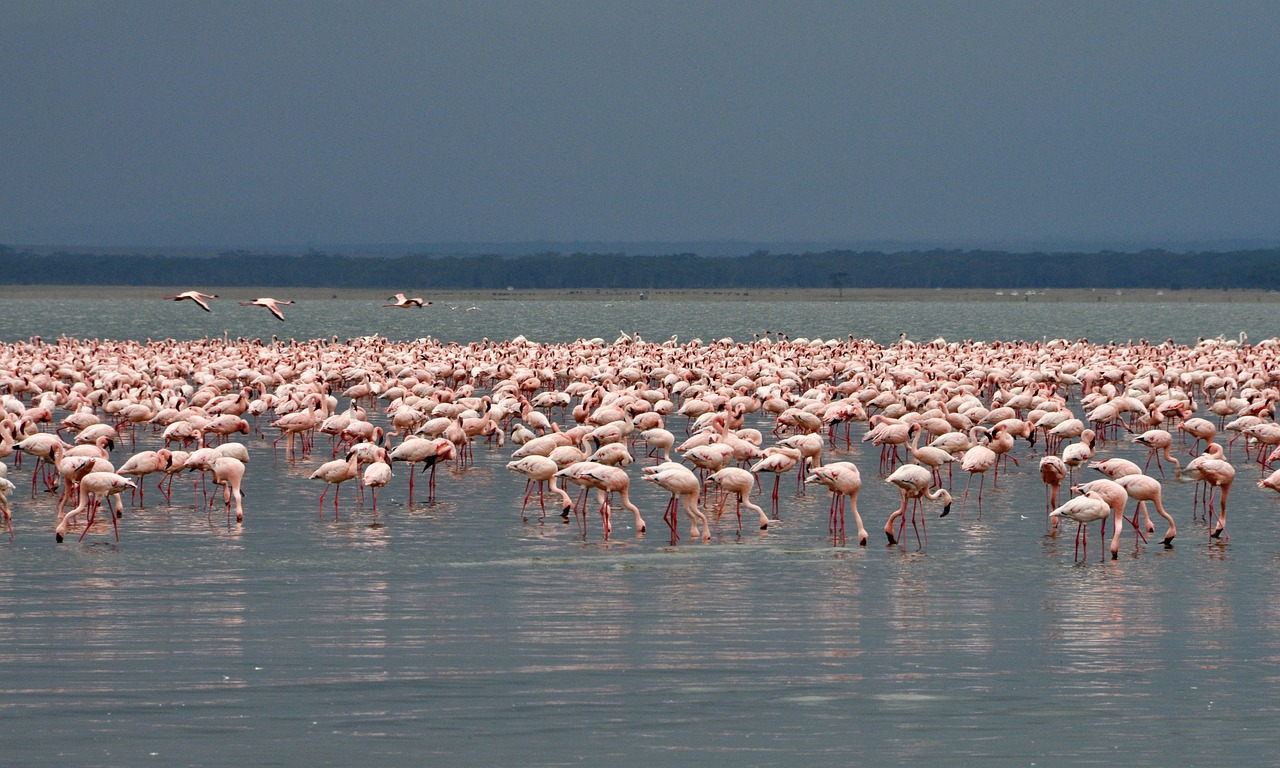
Lake Naivasha, Lake Nakuru and the Masai Mara on the classic Rift Valley circuit.
From $900 per person

7 DAYS / 6 NIGHTS
7 Days Kenya and Tanzania
The Masai Mara, Serengeti and Ngorongoro Crater in one crossing. Our most booked route.
From $1,590 per person
KEY QUESTIONS
Masai Mara Safari, Key Questions
Three nights is the practical minimum and gives you four game drives, enough to see the Big Five in a normal week. Two nights works if you fly in and out. If you are coming specifically for the river crossings, book at least three nights in July to October, because crossings happen on their own schedule and a single day is a gamble.
They are one ecosystem split by a border, and the honest answer is that it depends on the month. Between July and October the herds are in the Mara. From December to March they are calving on the southern Serengeti plains. The Mara is smaller and more concentrated, which means shorter drives between sightings. The Serengeti is vast and feels wilder. If you have seven days or more, do both.
The reserve puts you closest to the migration and costs less. The conservancies cap the number of vehicles allowed at a sighting, and permit night drives and walking safaris that the reserve does not. Most of our guests split their stay, two nights in each, and almost all of them say the conservancy nights were the better ones.
Budget from USD 150 to USD 220 per person per day, mid range from USD 250 to USD 400, and luxury conservancy camps from USD 450 upward. Park fees of USD 100 to USD 200 per day, depending on the season, are inside those figures. A three day trip from Nairobi starts at around USD 550 per person.
Yes. It is one of the most visited protected areas in Africa with well-established infrastructure. Stay in your vehicle unless your guide says otherwise, do not walk between tents at night without an escort, and follow your guide at sightings. Our vehicles carry a first aid kit and stay in radio contact throughout every drive.
Neutral colours, layers for cold morning drives at 1,500 metres, a fleece, a wide brim hat, sunscreen, insect repellent and binoculars. Avoid blue and black, which attract tsetse flies. Luggage on light aircraft is limited to 15 kg in a soft bag, so pack accordingly if you are flying in.
EXPLORE MORE
Pair Masai Mara With Other Destinations
The Mara works well as the centrepiece of a longer route. These four combine with it most naturally.
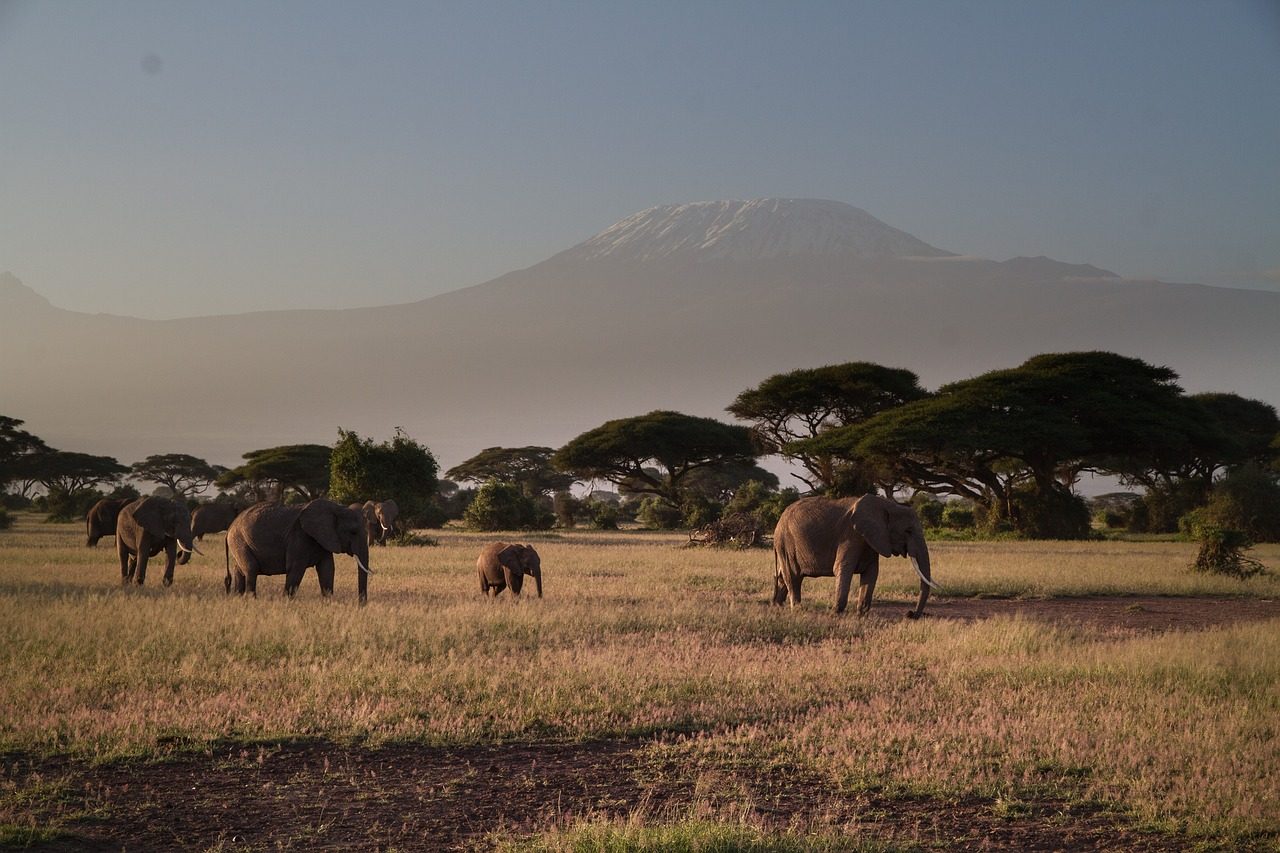
Amboseli National Park
Elephant herds against Kilimanjaro, an easy add before or after the Mara.


Your Masai Mara Safari Starts Here
Tell us your travel dates, group size and whether the migration is the priority. We reply within 24 hours with a tailor made proposal and a clear price. No pressure and no obligation.
TAILOR MADE SAFARI
Want to Know More? Talk to Us
Create an unforgettable memory with a customised Kenya or Tanzania safari. Tell us how you like to travel and our safari experts will shape the route around you, with no obligation.
Phone: +254 736 992 608
Email: info@solasafaritravels.com

