
DESTINATION GUIDE // UGANDA
Mount Elgon National Park
An extinct volcano with the largest caldera in the world, and a summit trek that needs no technical skill at all.
1,121 km2
PARK AREA
4,321m
WAGAGAI PEAK
40 km2
CALDERA WIDTH
4-7 days
TREK LENGTH
No permits
SUMMIT ACCESS

GENERAL OVERVIEW
About Mount Elgon National Park
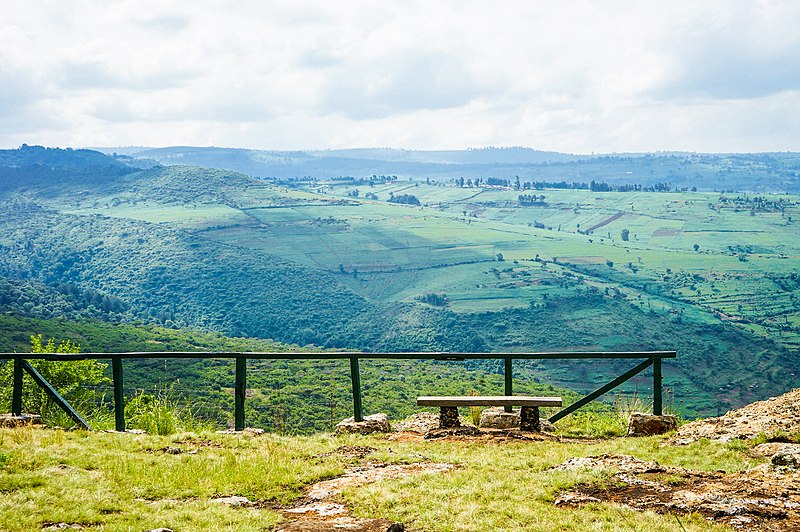
Mount Elgon sits on the Uganda and Kenya border in the east of the country, about 235 kilometres from Kampala. The Ugandan national park covers 1,121 square kilometres of the western slopes and was gazetted in 1992, with a further UNESCO Biosphere Reserve designation covering the wider massif.
It is an extinct shield volcano, and an old one. Elgon last erupted around 24 million years ago and has eroded from an estimated original height above 5,000 metres down to Wagagai at 4,321 metres, the highest point and the fourth highest in Uganda. What remains is the largest volcanic base in the world at roughly 80 kilometres across, and a caldera some 40 square kilometres wide, one of the largest intact calderas anywhere.
The climb is what distinguishes it. Elgon is a walk rather than a technical ascent, with no glaciers, no scrambling and a gradual gradient, which makes it one of the most accessible high summits in East Africa. The other draw sits outside the park boundary: the Sipi Falls, three waterfalls on the northwestern slopes, and the arabica coffee grown on the terraces around them.
THINGS TO DO
Climbing, Caves And Waterfalls
Sipi Falls. Three separate falls, the largest dropping about 100 metres, linked by a guided walk of three to four hours. The most visited attraction on the mountain and reachable without entering the park.
Coffee tours. Arabica grown on the Elgon slopes is exported as speciality lots. Community run tours cover picking, pulping, drying and roasting, ending with a cup made from beans you watched being processed.
Summit treks. Four to seven days to Wagagai and back. The Sasa trail from Budadiri is the shortest and steepest, the Sipi trail the gentlest and most scenic, and the Piswa trail the longest and best for wildlife.
The caldera and hot springs. The crater floor holds hot springs reaching around 48 degrees, reached on the longer itineraries.
Kitum Cave. On the Kenyan side, a lava tube that elephants enter at night to mine salt from the walls with their tusks. One of the more extraordinary animal behaviours documented anywhere.
Abseiling and rock climbing. At Sipi, alongside mountain biking on the surrounding terraces.
WILDLIFE AND LANDSCAPES
What Lives On The Mountain
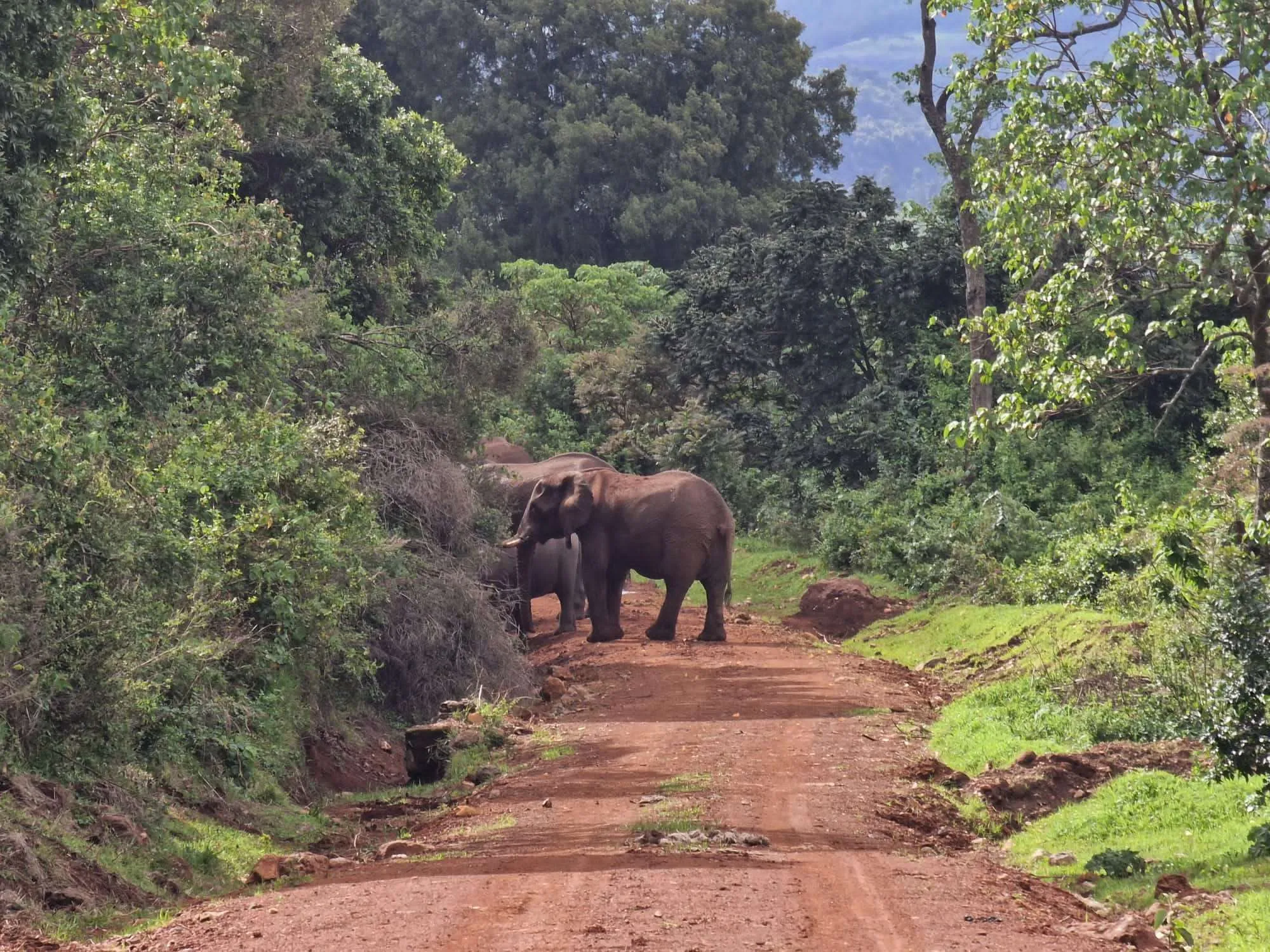
Mammals. Forest elephant and buffalo on the lower slopes, black and white colobus, blue monkey, olive baboon, defassa waterbuck, bushbuck, duiker, oribi and spotted hyena. Sightings are incidental rather than the reason to come.
Birds. Around 300 species including the lammergeier, or bearded vulture, which soars over the caldera and is one of Africa’s most sought after raptors. Also Jackson’s francolin, the black collared apalis, Hartlaub’s turaco and the alpine chat at altitude.
Vegetation zones. Montane forest to about 2,500 metres, then bamboo, then heath, then afro-alpine moorland with giant lobelias and groundsels above 3,500 metres. The same otherworldly plants as the Rwenzoris but under far more sunshine.
The caldera. A 40 square kilometre crater floor ringed by jagged peaks, with hot springs, tarns and moorland. Reaching it is the real prize of a longer trek.
WHY VISIT
What Mount Elgon Is Known For
Elgon is the accessible high mountain. Wagagai at 4,321 metres is reached by walking, with no crampons, no rope and no scrambling, which puts a genuine East African summit within reach of reasonably fit travellers who would never attempt Margherita or the technical routes on Mount Kenya.
Sipi Falls is the second reason, and for many the only one. It works perfectly well as a two night stop for the waterfall walk, a coffee tour and a view over the plains, without setting foot on the summit trail.
Then there is the emptiness. Elgon receives a fraction of Kilimanjaro’s traffic and you can walk for days without meeting another group.
And the caldera itself, at 40 square kilometres one of the largest intact calderas in the world, is a landscape few travellers to East Africa ever see.
ENTRY FEES
Park Fees And Trek Costs
Park entry for foreign non-residents is 35 US dollars per person per day, set by the Uganda Wildlife Authority. Children aged five to fifteen pay a reduced rate.
Summit treks are sold as packages including park fees, ranger guide, porters, camping and meals. A four day Sasa trail climb runs from roughly 500 to 700 US dollars per person and longer six or seven day itineraries via Sipi or Piswa from around 800 to 1,100, depending on group size.
The Sipi Falls walk sits outside the park and is run by the local guides association at around 15 to 20 dollars per person. Coffee tours are similar and paid directly to the cooperatives.
Everything is booked and itemised in advance. Nothing is collected at the gate on the day.
BEST TIME TO VISIT
When To Go
June to August and December to March, the dry seasons. The best trekking conditions, the clearest views from the caldera rim and firm trails on the lower slopes.
April, May and September to November, the rains. Trails become slippery and the higher camps cold and wet. Sipi Falls is at its most powerful and the terraces at their greenest, so a short visit still works well.
Elgon is markedly drier and sunnier than the Rwenzoris, which is a large part of why the climb is more pleasant. Nights above 3,500 metres drop below freezing in any season.
GETTING THERE
How To Reach The Park
By road from Entebbe or Kampala. Around 235 km to Mbale, four to five hours on tarmac via Jinja. Sipi is a further hour northeast of Mbale.
To the trailheads. Budadiri, for the Sasa trail, is about forty five minutes from Mbale. Kapkwai, for the Sipi trail, is roughly an hour and a quarter.
From Jinja. Two to three hours, which is why Elgon and the Nile rafting at Jinja are often combined.
From Murchison Falls. Six to seven hours across the north of the country.
By air. There are no scheduled flights. Charters can land at Soroti or Mbale.
Because Elgon sits in eastern Uganda, it does not combine with the western circuit in the way the other parks do. It pairs naturally with Jinja and the Nile instead.
WHERE TO STAY
Lodges And Camps
Sipi River Lodge. Cottages and bandas beside the falls with the best position in the area, and the most comfortable base for walks and coffee tours.
Lacam Lodge. Perched on the cliff edge facing the main waterfall, simple rooms and a remarkable view.
Sipi Falls Resort and Crow’s Nest. Good mid range and budget options within walking distance of the falls.
In Mbale. Mbale Resort Hotel and Wash and Wills Country Home for the night before or after a trek.
On the mountain. Camping only, at Sasa River Camp, Mude Cave Camp, Hunters Cave and Piswa. Tents and equipment come with the trek package.
SAFETY AND TRAVEL TIPS
What To Know Before You Go
Altitude. Wagagai is 4,321 metres and altitude sickness is possible even though the climb is non technical. The four day Sasa route ascends fast, so the six or seven day itineraries are the safer choice for anyone unsure.
Cold. Sub zero at the high camps. Four season sleeping bag, down layer, hat and gloves, even though the days can be warm.
Footwear. Waterproof boots with ankle support. The Sasa trail is steep and the ground is loose in places.
No technical skill needed. There is no glacier, no rope and no scrambling on any of the standard routes. Fitness and endurance are what matter.
Guides. A Uganda Wildlife Authority ranger guide is compulsory on all summit routes and is included in package rates.
Malaria. Prophylaxis for the lower slopes and Mbale. A yellow fever certificate is required for entry to Uganda.
Sipi safety. The falls viewpoints are unfenced in places and the rock is slippery in the rains. Stay with your guide.
TOURS WITH US
Safaris With Sola Safari Travels
Most travellers who ask us about Elgon want Sipi rather than the summit, and two nights there covers the three falls, a coffee tour and a morning on the terraces without any real effort. It pairs naturally with a night in Jinja for the Nile.
For the summit we book the six or seven day routes rather than the fast four day Sasa climb, because the slower ascent is considerably safer and takes in the caldera and the hot springs. Rangers, porters, camping and park fees are arranged in advance as one package, and transfers run in a private 4×4 with one driver guide throughout.
SAFARI PACKAGES
Safaris That Include Mount Elgon
Mount Elgon sits in eastern Uganda, so it pairs with Jinja and the Nile rather than the western circuit. All departures are private.

10 DAYS / 9 NIGHTS
10 Days Ultimate East Africa
Amboseli, the Masai Mara, the Serengeti and the Ngorongoro Crater at an unhurried pace.
From $2,360 per person
6 DAYS / 5 NIGHTS
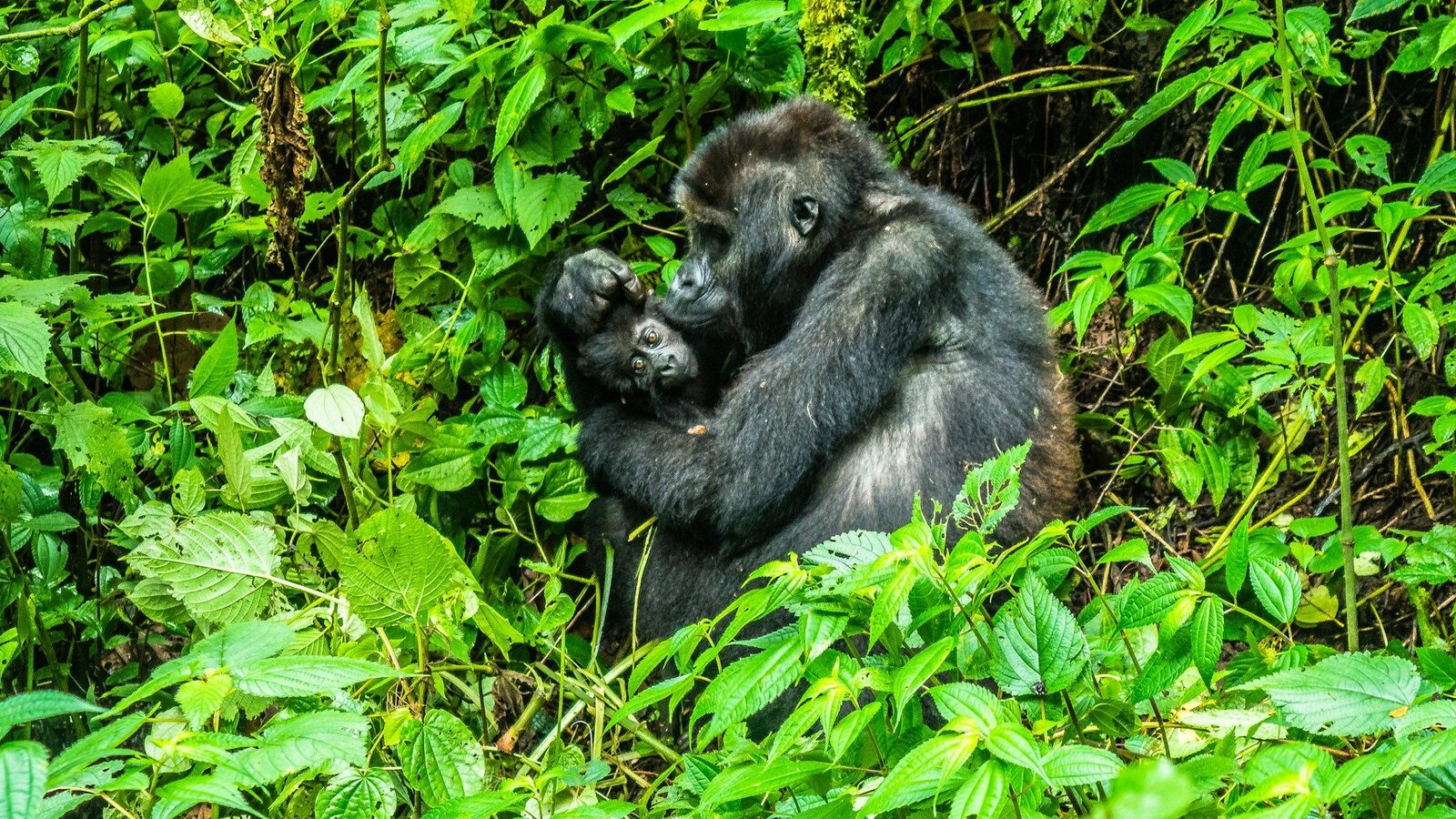
6 Days Gorillas and Chimpanzees Uganda
Gorillas in Bwindi and chimpanzees in Kibale, with Queen Elizabeth in between.
From $2,200 per person
4 DAYS / 3 NIGHTS
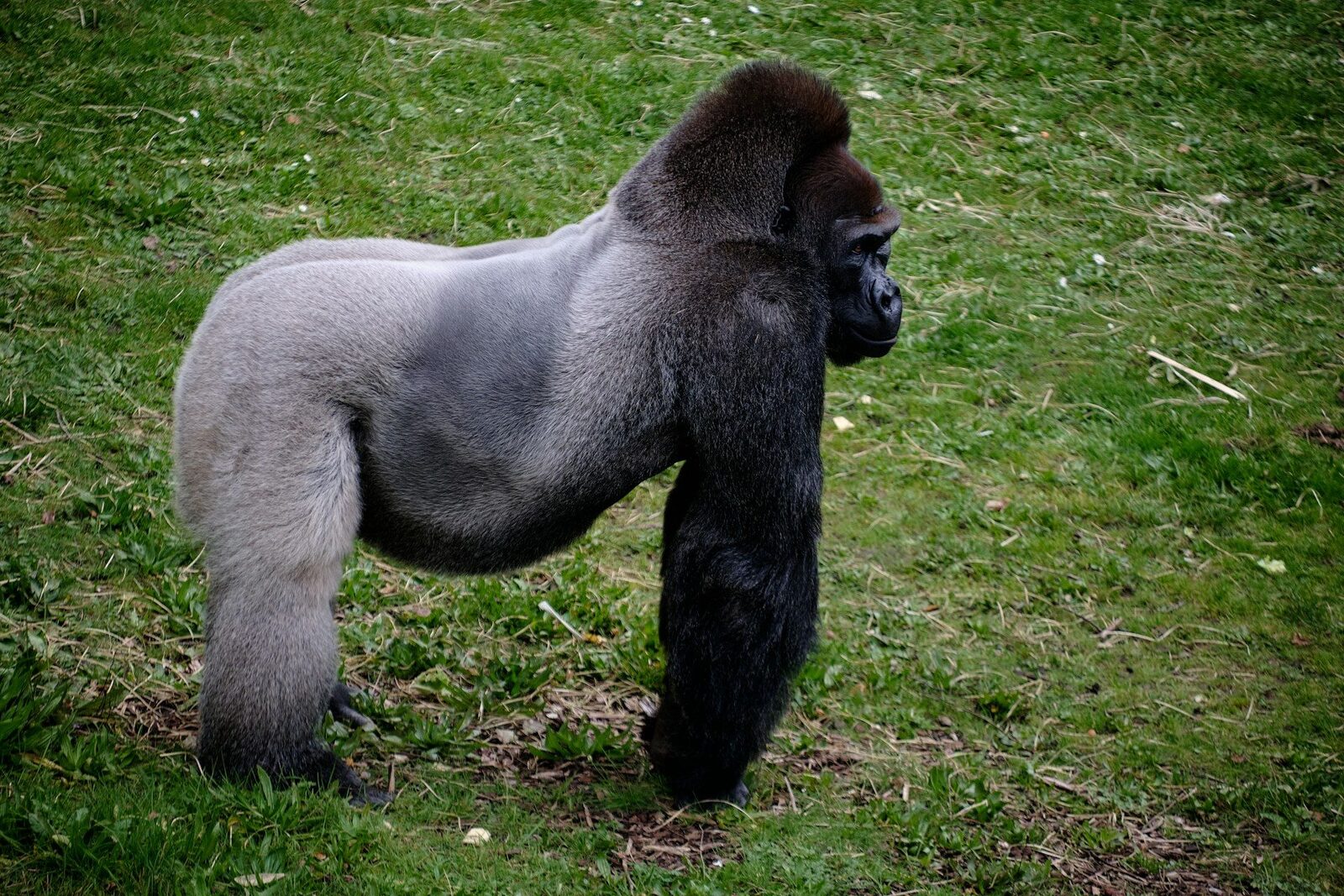
4 Days Uganda Gorilla Trek
Mountain gorilla trekking in Bwindi, with a night at Lake Mburo on the drive in from Entebbe.
From $1,560 per person
KEY QUESTIONS
Mount Elgon Safari, Key Questions
It is a walk, not a climb. There is no glacier, no rope and no scrambling on any standard route to Wagagai at 4,321 metres. What it demands is endurance, four to seven consecutive days of walking, and tolerance of cold nights at altitude.
Yes, and most visitors do. Sipi sits outside the park boundary and the three falls walk takes three to four hours with a local guide for around 15 to 20 dollars. Two nights there covers the falls, a coffee tour and the terraces.
A four day Sasa trail climb runs from roughly 500 to 700 US dollars per person all inclusive, and six or seven day routes via Sipi or Piswa from about 800 to 1,100. That covers park fees, ranger guide, porters, camping and meals. Park entry alone is 35 dollars per day.
Sasa from Budadiri is the shortest and steepest at four days. Sipi from Kapkwai is gentler and more scenic. Piswa is the longest and best for wildlife. We usually recommend six or seven days rather than four, because the slower ascent is safer and includes the caldera and hot springs.
Some, but it is not why people come. Forest elephant, buffalo, colobus and blue monkeys live on the lower slopes and sightings are incidental. Around 300 bird species include the lammergeier over the caldera. The draw here is the landscape and the climb.
Not easily with the western parks, since Elgon is in eastern Uganda. It pairs naturally with Jinja and the Nile, two to three hours away, and can be added to a Murchison Falls itinerary with a six to seven hour drive across the north.
EXPLORE MORE
Pair Mount Elgon With Other Destinations
Elgon is the eastern outlier. The rest of Uganda parks sit west and north of Kampala.
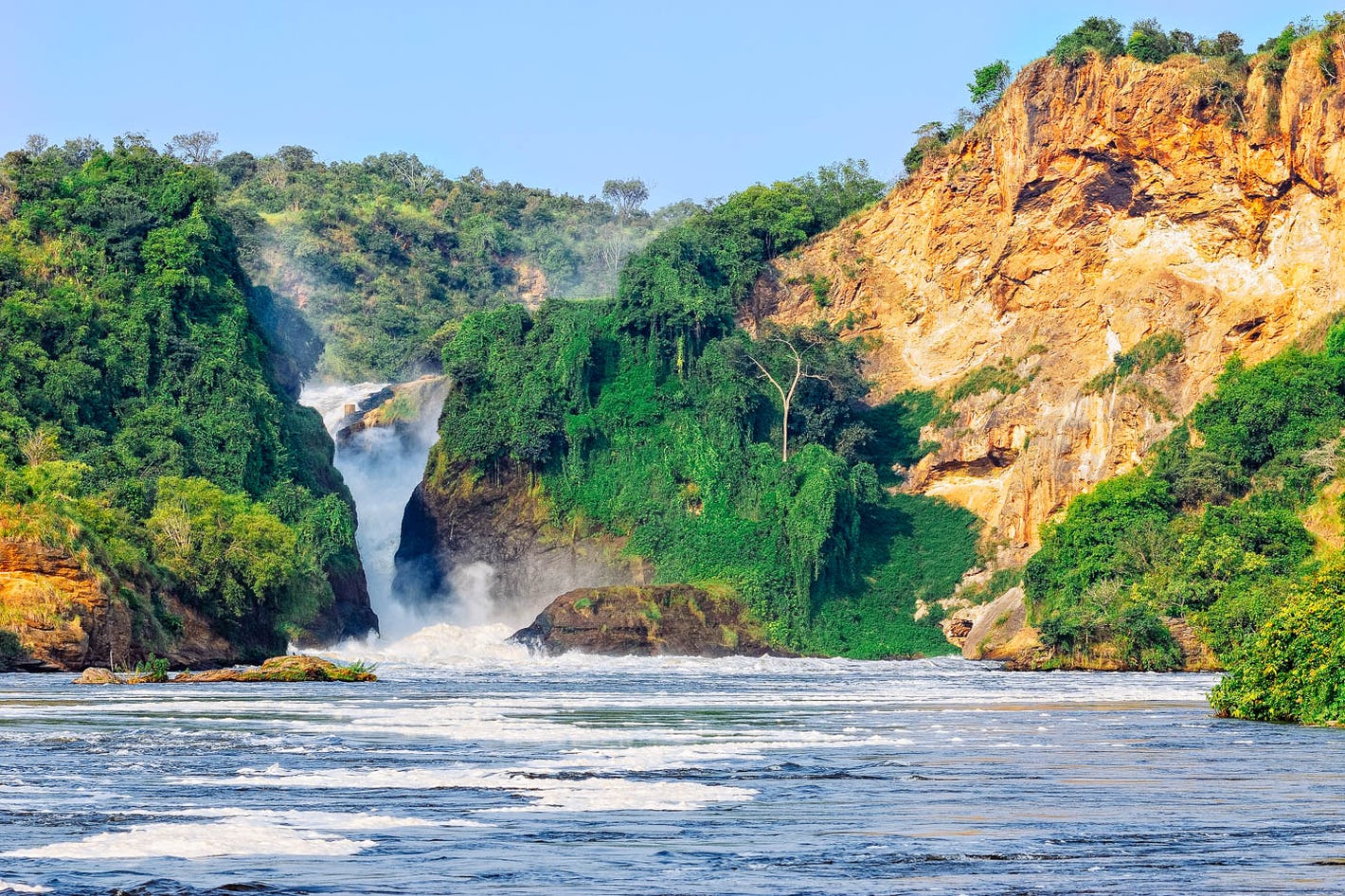
Murchison Falls National Park
The Nile through a seven metre gap, six to seven hours northwest.
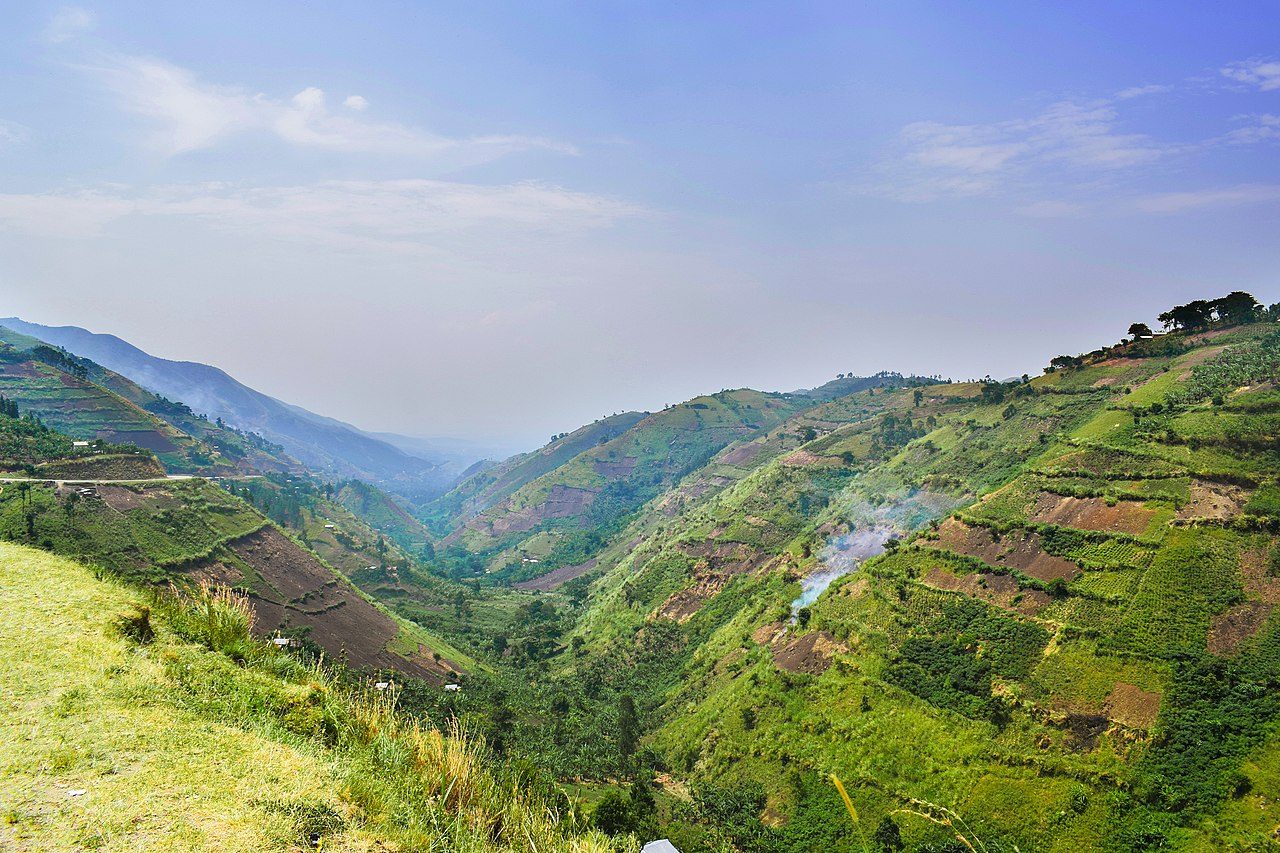
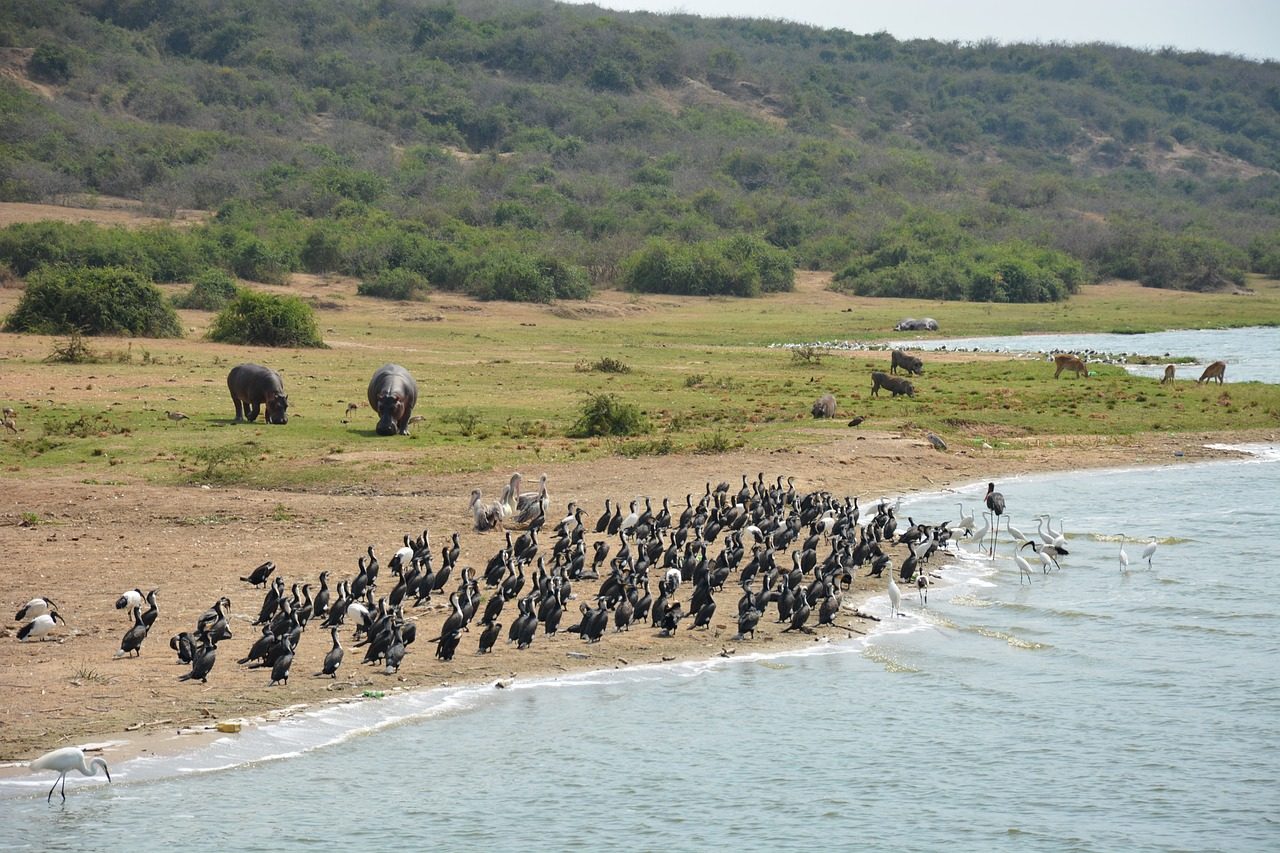
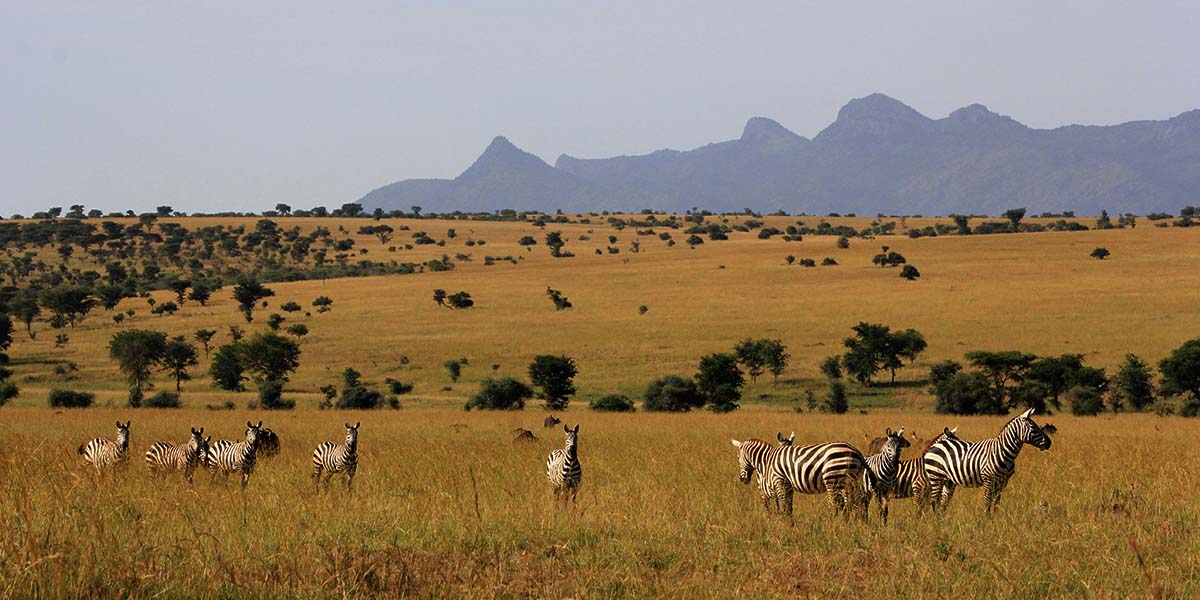
Your Mount Elgon Safari Starts Here
Tell us your dates and group size. We will reply within 24 hours with a tailor made proposal and a clear price.
TAILOR MADE SAFARI
Want to Know More? Talk to Us
Create an unforgettable memory with a customised Kenya or Tanzania safari. Tell us how you like to travel and our safari experts will shape the route around you, with no obligation.
Phone: +254 736 992 608
Email: info@solasafaritravels.com

