DESTINATION GUIDE // KENYA
Samburu Safari: National Reserve Travel Guide
Dry country, doum palms along the Ewaso Ng’iro, and five species you will not see anywhere else on the Kenyan circuit.
165 km2
RESERVE AREA
Special 5
ENDEMIC SPECIES
All year
GOOD VIEWING
900+
ELEPHANTS
450+
BIRD SPECIES
Quick answer: Samburu National Reserve covers 165 square kilometres of semi-arid northern Kenya in Samburu County, around 345 km from Nairobi. It is reached in 5 to 6 hours by road or 1 hour 15 minutes by air. The Ewaso Ng’iro river runs through it, and it is the best place in Kenya for the dry-country Samburu Special Five.


OVERVIEW AND LOCATION
Samburu National Reserve At A Glance
Samburu National Reserve covers 165 square kilometres of semi-arid country in Samburu County, northern Kenya, about 345 km from Nairobi. The Ewaso Ng’iro river runs through it, and that single ribbon of water in an otherwise dry landscape is what makes the reserve work. Everything comes to the river, which concentrates game viewing in a way the bigger southern parks do not.
History. Gazetted in 1985, Samburu is managed by Samburu County Council. It sits alongside Buffalo Springs and Shaba reserves, and a single ticket does not cover all three. The reserve gained international attention through the Save the Elephants research centre based here, and through Kamunyak, the lioness who repeatedly adopted oryx calves in 2002.
Terrain. Dry acacia scrub, doum palm along the riverbanks, rocky kopjes and the Koitogor and Ololokwe mountains on the horizon. Altitude runs from about 800 to 1,230 metres, which makes it hotter than the Mara by a noticeable margin.
| Gate | Best for | Hours |
|---|---|---|
| Archers Post | The main eastern entrance, arriving from Isiolo and Nairobi | 6am to 6pm |
| Ngare Mara | The southern approach from Buffalo Springs | 6am to 6pm |
| West Gate | The western conservancies and the community land beyond | 6am to 6pm |
| Buffalo Springs | The adjoining reserve across the river, charged separately | 6am to 6pm |
GETTING THERE
How To Get To Samburu
Step one: fly into Nairobi. International arrivals at Jomo Kenyatta International. Light aircraft to Samburu depart from Wilson Airport.
Step two: Nairobi to Samburu.
| Option | Time | What to know |
|---|---|---|
| By road | 5 to 6 hours | About 345 km via Nanyuki and Isiolo. Tarmac almost the whole way now, and the drive crosses the equator with Mount Kenya on your right |
| By air | 1 hour 15 minutes | Daily scheduled flights from Wilson to Samburu airstrip. The sensible option on a short trip |
| From the Masai Mara | 1.5 hours flying | Direct scheduled services in season, otherwise via Nairobi. By road it is a very long day |
| From Ol Pejeta | 2 hours by road | The natural pairing. Ol Pejeta is on the way back from Samburu towards Nairobi |
| From Mount Kenya | 2 to 3 hours | Nanyuki and the Mount Kenya lodges sit directly on the route |
Worth knowing. The road north of Isiolo passes through country that occasionally sees local security advisories. We monitor these and route accordingly, and the reserve itself has never been the concern. Ask us at the time of booking rather than relying on a blanket travel advisory.
ENTRY FEES
Samburu Park Fees
Samburu is run by Samburu County Government rather than Kenya Wildlife Service, so fees are set locally and stay the same all year. Buffalo Springs across the river is a separate reserve on a separate ticket, which catches people out.
| Category | Fee | Notes |
|---|---|---|
| Non-resident adult | USD 85 | Per 24 hours, same rate all year |
| Non-resident child under 12 | USD 50 | Per 24 hours |
| Buffalo Springs Reserve | USD 85 | A separate ticket, charged again if you cross the river |
| Vehicle under 6 seats | KES 400 | Per day, charged separately |
Paying at the gate. Samburu accepts card and M-Pesa. Some gates still take cash but do not rely on it. If you plan to cross into Buffalo Springs, tell us in advance so the second fee is in your quote rather than a surprise at the river.
We confirm the current amount in writing with every quote.
SAFARI COSTS
What A Samburu Safari Costs
Samburu is cheaper per day than the Mara in peak season and considerably cheaper than the Serengeti. Reserve fees are USD 70 flat all year, with no seasonal peak pricing, which makes it good value in July and August when southern Kenya is at its most expensive.
| Style | Per person per day | What you get |
|---|---|---|
| Budget | USD 150 to 210 | Shared vehicle, simple camps outside the reserve, all fees included |
| Mid range | USD 240 to 380 | Private four wheel drive, riverside lodges or tented camps inside the reserve, full board |
| Luxury | USD 450 to 800 | Community conservancy camps with night drives, walking and camel treks, dedicated guide |
| Fly-in | USD 600 and above | Scheduled flights from Nairobi or the Mara, no long road transfers |
What moves the price most. Whether you stay in the reserve or in one of the surrounding community conservancies. Conservancies cost more but allow night drives, walking and camel-back safaris that the reserve does not, and the conservation fee goes directly to Samburu communities.
Green season savings. Rates fall 25 to 35 per cent in April, May and November. Samburu is semi-arid, so the rains here are far lighter than in southern Kenya and the reserve stays accessible. The river runs higher, the dust settles and the landscape briefly turns green, which many guides consider the most attractive time to be here.
BEST TIME TO VISIT
When To Go To Samburu
Samburu is semi-arid and the wildlife stays close to the Ewaso Ng’iro river all year, so game viewing is reliable in every month. The reserve is hot, and that is the main thing the seasons change.
| Season | Months | What to expect | Crowds |
|---|---|---|---|
| Peak | Jun to Oct | Dry and hot. Animals concentrate on the river, best game density of the year | Medium |
| Dry / High | Dec to Feb | Very hot and dry. Excellent viewing, clear skies and strong light for photography | Medium |
| Shoulder | Nov | Short rains, brief and light here. Green flush, migrant birds, softer rates | Low |
| Green | Mar to May | Long rains, though far lighter than southern Kenya. Lowest rates and near empty | Low |
Samburu is never crowded in the way the Mara is in August, which is one of its strongest arguments. Even in peak season you will share sightings with a handful of vehicles rather than twenty.
For photography the dry months give the classic look, with dust, hard light and animals against pale sand. The green season after rain gives better colour and far fewer vehicles.
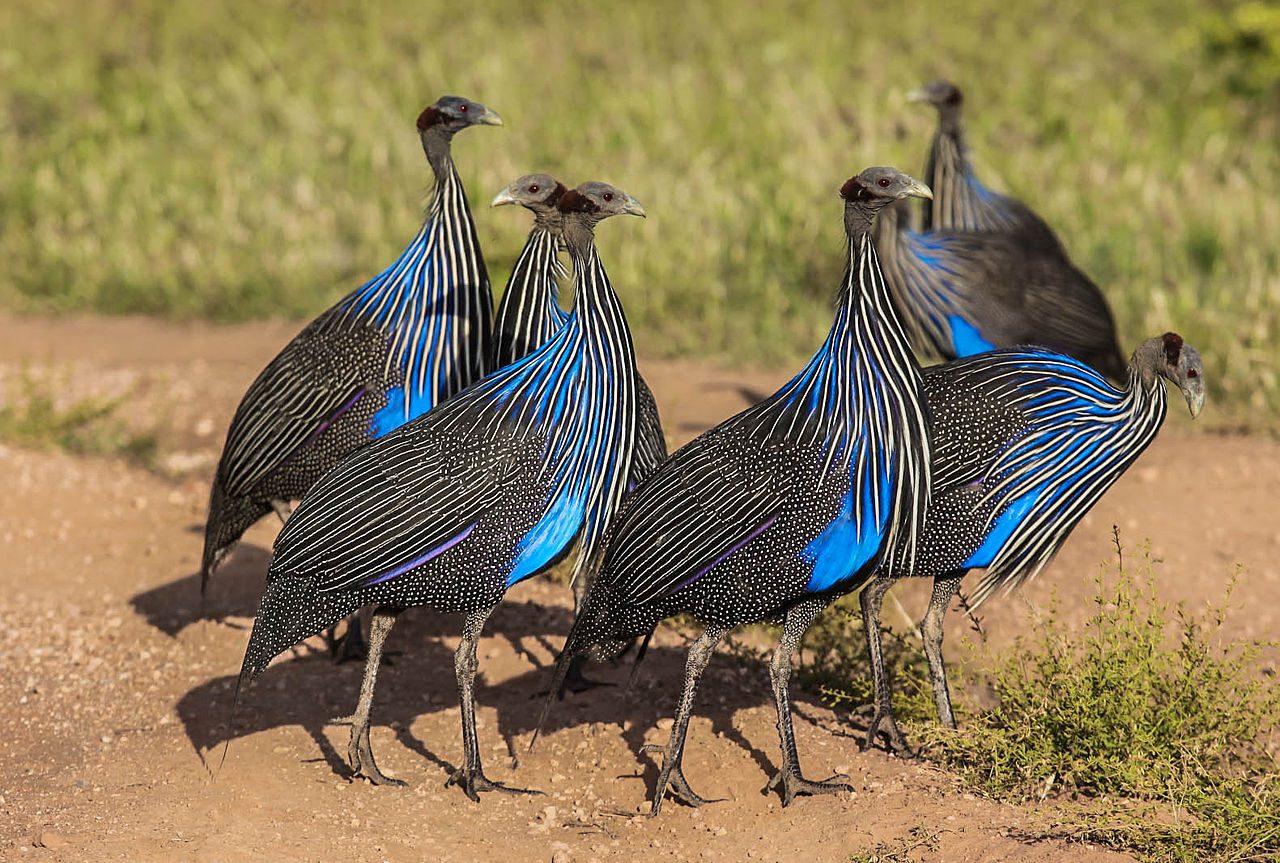
For birdwatching come November to April when migrants arrive. Over 450 species have been recorded, including dry-country specials such as the vulturine guineafowl and the Somali ostrich that you will not find in southern Kenya.
WILDLIFE AND ACTIVITIES
What You Will See and Do in Samburu
Samburu exists on itineraries for one reason above all others: the Samburu Special Five. These are dry-country species found here and almost nowhere else on the Kenyan safari circuit, which makes the reserve a genuinely different experience rather than a repeat of the Mara.
The Samburu Special Five.
- Grevy’s zebra, larger and narrower striped than the common zebra, and endangered
- Reticulated giraffe, with the sharply defined polygon pattern
- Beisa oryx, straight horned and built for waterless country
- Somali ostrich, the blue-necked species
- Gerenuk, the long-necked antelope that stands on its hind legs to browse
Other wildlife. Elephant in large numbers along the river, lion, leopard on the rocky kopjes, cheetah on the open ground, crocodile and hippo in the Ewaso Ng’iro, and over 450 bird species. Wild dog are seen occasionally in the surrounding conservancies.
Game drives. Concentrated along the river in the early morning and late afternoon, which is when everything comes down to drink. The reserve is small enough that you cover it properly in two days.
Guided walking safaris. Available in the community conservancies with an armed Samburu ranger. The tracking knowledge here is exceptional and it is a completely different way to read the landscape.
Camel safaris. A Samburu speciality, run from the conservancies. Half day or multi-day walking alongside camels carrying the kit, which is how people have moved through this country for centuries.
Night game drives. Conservancies only, not the reserve. Good chances of striped hyena, genet, white-tailed mongoose and aardwolf.
Samburu cultural visits. The Samburu are closely related to the Maasai but distinct in dress and custom. Visits are arranged directly with the communities that co-own the conservancies, so the money stays local.
Save the Elephants. The research centre is based in the reserve and has tracked individual families here for decades. Some camps arrange talks with the researchers, which is worth asking about.
WHERE TO STAY
Lodges and Camps in Samburu
Almost everything here sits on the Ewaso Ng’iro, because the river is where the wildlife is. The real decision is whether you stay inside the reserve or in one of the surrounding community conservancies.
Riverside, Inside the Reserve
Lodges and tented camps directly on the Ewaso Ng’iro. Elephants walk through camp and you are on the game drive circuit within minutes of leaving.
Buffalo Springs
Across the river in the adjoining reserve. Quieter and often cheaper, though you pay a second reserve fee to cross back.
Kalama Conservancy
Community owned, north of the reserve. Night drives, walking and camel safaris permitted, and spectacular views towards Ololokwe.
West Gate Conservancy
Samburu community land on the western boundary. Strong walking programme and among the best value conservancy camps in northern Kenya.
Namunyak and Sarara
Further north in the Mathews Range. Remote, high end, and the base for the singing wells where Samburu herders water their cattle.
Archers Post
Simple guesthouses and budget camps just outside the main gate. The cheapest option, with a short drive to the reserve each morning.
SAFARI PACKAGES
Safaris That Include Samburu
Samburu pairs naturally with Ol Pejeta on the way back south. All departures are private.
4 DAYS / 3 NIGHTS
4 Days Samburu and Ol Pejeta Safari
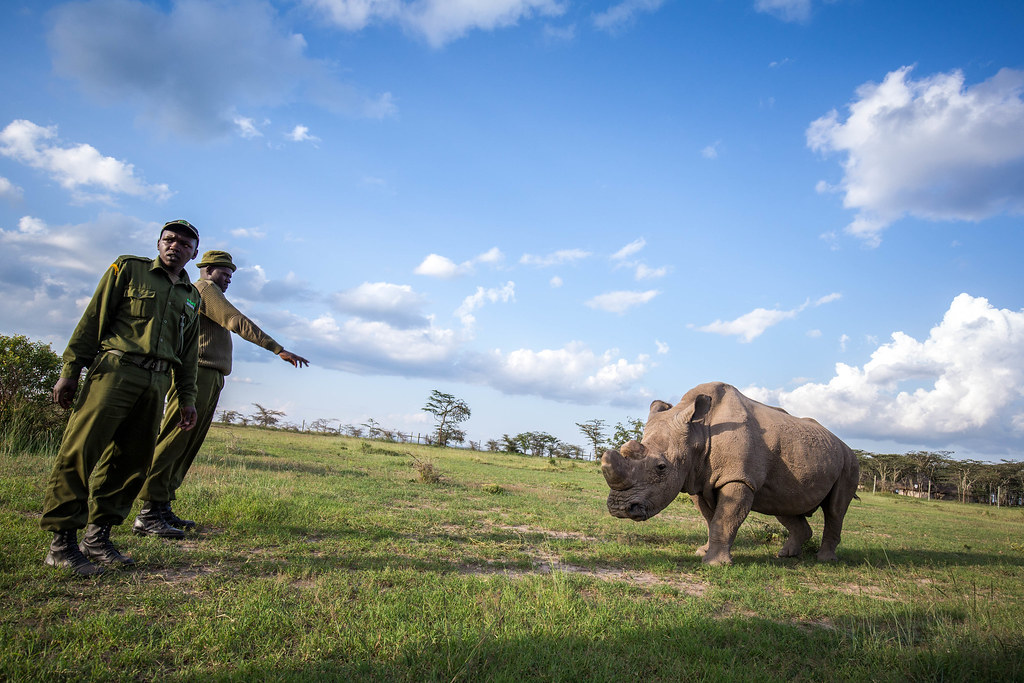
Northern specials in Samburu, then rhino tracking on the Ol Pejeta Conservancy.
From $750 per person
5 DAYS / 4 NIGHTS
5 Days Kenya Wildlife Circuit
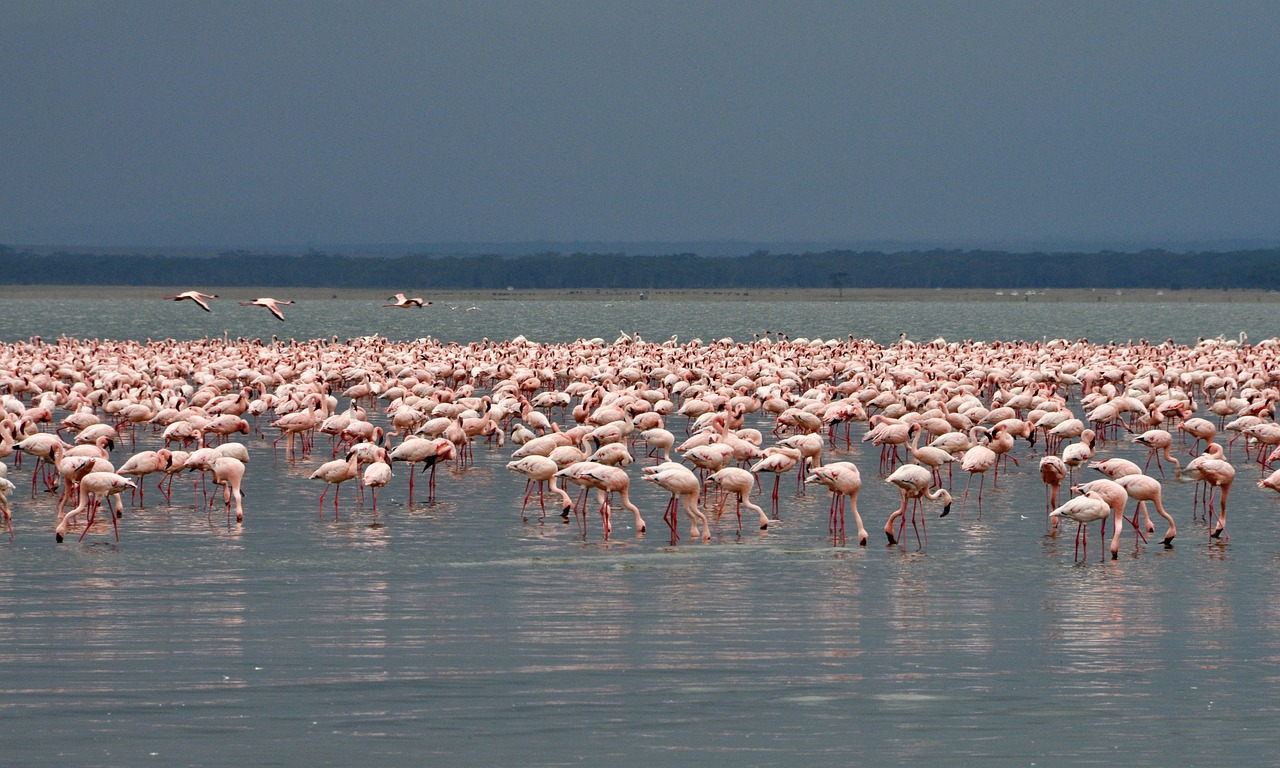
Lake Naivasha, Lake Nakuru and the Masai Mara on the classic Rift Valley circuit.
From $900 per person

10 DAYS / 9 NIGHTS
10 Days Ultimate East Africa
Amboseli, the Masai Mara, the Serengeti and the Ngorongoro Crater at an unhurried pace.
From $2,360 per person
KEY QUESTIONS
Samburu Safari, Key Questions
Two nights is enough for the reserve itself, which is only 165 square kilometres and worked comfortably in three or four drives. Three nights makes sense if you want to add a walking or camel safari in one of the conservancies, or a cultural visit.
Grevy’s zebra, reticulated giraffe, Beisa oryx, Somali ostrich and gerenuk. All five are dry-country species found in northern Kenya and not on the southern circuit, which is the main reason to come here rather than repeat the Mara or Amboseli.
Yes, precisely because it is different. The Mara is green grassland with big cat density and the migration. Samburu is arid, with palms, rock and five species you will not see in the south. Doing both gives you two distinct landscapes rather than the same safari twice.
The reserve itself has an excellent record and the tourism infrastructure is well established. The wider northern region occasionally sees local security advisories, which we monitor and route around. Ask us at the time of booking rather than relying on a blanket country-level advisory, because the picture changes and is usually far more localised than it appears.
Budget from USD 150 to USD 210 per person per day, mid range USD 240 to USD 380, and conservancy camps from USD 450 upward. Reserve fees are USD 85 per person per day and do not rise in peak season, which makes Samburu good value in July and August. Our four day Samburu and Ol Pejeta trip starts at USD 790.
Hot. Daytime temperatures regularly reach the mid thirties Celsius and it sits much lower than the Mara at 800 to 1,230 metres. Bring light long sleeves for sun protection, drink far more water than you think you need, and expect the middle of the day to be for resting rather than driving.
EXPLORE MORE
Pair Samburu With Other Destinations
Samburu sits at the northern end of the circuit, so it combines well with everything on the road back to Nairobi.


Your Samburu Safari Starts Here
Tell us your dates and whether you want a walking or camel safari alongside the game drives. We reply within 24 hours with a route and a clear price.
TAILOR MADE SAFARI
Want to Know More? Talk to Us
Create an unforgettable memory with a customised Kenya or Tanzania safari. Tell us how you like to travel and our safari experts will shape the route around you, with no obligation.
Phone: +254 736 992 608
Email: info@solasafaritravels.com

