
Kenya Safari in 6–7 Days for Solo Travellers: Best Time, Costs & First-Time Tips
By Linsel Ajode, Senior Safari Specialist at Sola Safari Travels
Planning a Kenya safari in 6 or 7 days is one of the best decisions a first-time solo traveller can make — and it is far more straightforward than it looks from the outside. You have seen the images, a cheetah sprinting across open golden grassland, wildebeest streaming across the Mara River during the Great Migration, elephants silhouetted against Kilimanjaro at dawn. Kenya delivers all of that, and a week is long enough to experience it properly.
But first-time travellers have real, practical questions. What is the best time to visit Kenya for the Big Five? How much does a Maasai Mara safari actually cost on a budget? Should you travel solo or join a group? Which parks should you visit in one week? How do you book a reliable operator? And can you find Indian food along the way?
This guide answers every one of those questions with honest, specific information — not generic reassurances. Whether you are planning to travel in July for the Great Migration or in January for the quieter dry season, everything you need to plan a confident Kenya safari itinerary is here.
Key Takeaways
- A 6–7 day Kenya safari is a realistic and rewarding trip for first-time solo travellers, even if you have never self-booked international travel before.
- The best time to visit Kenya for the Big Five and the Great Migration is July to October — the peak dry season when wildlife concentrations are at their highest.
- A mid-range group safari in Kenya typically costs USD 250–500 per person per day all-inclusive — group travel is the most effective way to keep costs down as a solo traveller.
- Always book through a TRA-registered safari operator. This protects you legally and guarantees a professional, accountable service.
- A classic 7-day Kenya safari itinerary covers Nairobi, the Maasai Mara National Reserve, and Amboseli National Park — delivering predators, the Great Migration, and iconic elephant views.
- Indian food is widely available in Nairobi, and most reputable lodges accommodate vegetarian and South Asian dietary preferences when notified in advance.
- Joining a small group safari — typically 4–6 people per vehicle — is strongly recommended for solo first-timers: it cuts costs, adds social value, and removes logistical pressure.
The Best Time to Visit Kenya for the Big Five
Kenya’s safari year divides into four distinct seasons, each offering a different experience. The honest answer to ‘when should I go’ depends entirely on two things: which wildlife event matters most to you, and how much flexibility you have on price.
Peak Dry Season: July to October (Recommended for First-Timers)
If the Maasai Mara and the Big Five are your priority, Kenya’s peak dry season from July to October is your window. This is the season that defines Kenya’s global safari reputation. The grass is short, visibility is exceptional, and wildlife concentrates around the few remaining water sources. In practical terms, you are far more likely to find lions, leopards, elephants, buffalo, and rhinos in a single morning game drive during this period than at any other time of year.
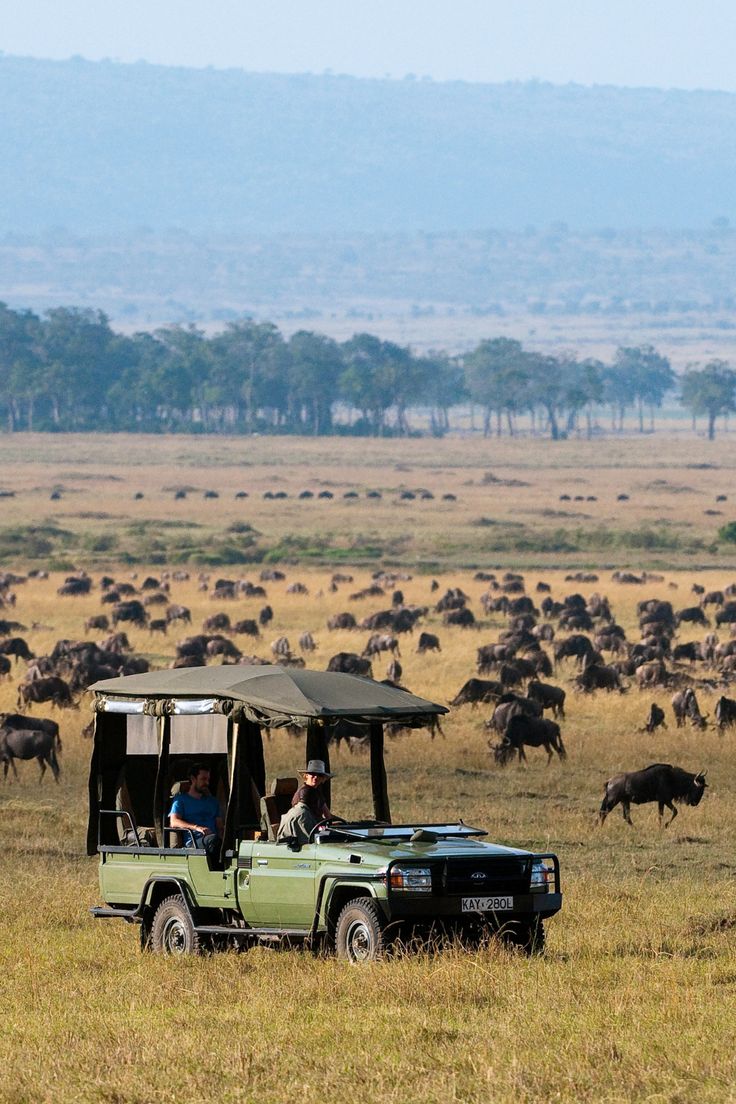
The reason July–October is the most celebrated window is the Great Migration. Over 1.5 million wildebeest, accompanied by 400,000 zebra and 200,000 Thomson’s gazelle, make their annual crossing from Tanzania’s Serengeti into Kenya’s Maasai Mara. This is the largest overland animal movement on Earth, and the Mara River crossings — where enormous herds charge through crocodile-filled water while big cats wait on the banks — are the defining spectacle of the Kenya safari experience.
Pro tip: For the highest probability of witnessing a Mara River crossing, aim for mid-August through late September. Crossings cannot be predicted to a specific date — herds build up at the bank and can wait hours before charging — but this window delivers the most frequent and dramatic crossings of the year.
Short Dry Season: January and February (Best Value for Solo Travellers)
January and February are the most underrated months for a budget Kenya safari. The long rains have ended, the landscape is still beautifully green, and predator activity is at its annual peak as calving season in Tanzania’s Serengeti sends prey animals — and therefore predators — into a state of heightened activity. Crowd levels are a fraction of the August peak, and lodge pricing sits 20–30% below peak rates. For a solo first-timer who wants quality wildlife without competing for sightings, January is Kenya’s hidden sweet spot.
Season Comparison at a Glance
| Season | Months | Wildlife Quality | Crowd Level | Price Level | Best For |
| Peak Dry Season | July–October | Excellent — Great Migration | High | High | First-timers, Big Five, Migration |
| Short Dry Season | Jan–February | Very Good — predators peak | Medium | Medium | Budget solo, fewer crowds |
| Short Rains | Nov–December | Good — green, birds | Low–Med | Medium | Value travel, landscapes |
| Long Rains | March–May | Good — lush, birds | Low | Low (30–50% off) | Birdwatchers, budget |
How Much Does a 6–7 Day Kenya Safari Cost?
This is the question most travel blogs avoid answering directly. Kenya safaris have a reputation for being expensive — and at the top end, they are. But the range is wider than most people realise, and a solo traveller joining a small group safari can access a genuinely high-quality experience at a much more accessible price point.
Daily Cost by Budget Tier
| Budget Type | Accommodation Style | Daily Cost (USD/person) | What’s Included |
| Budget | Shared tented camps, basic lodges | $150–250 / day | Group game drives, basic meals, shared facilities |
| Mid-Range | Comfortable tented camps, lodge rooms | $250–500 / day | Small-group drives, full board, better location |
| Luxury | Private conservancy camps, en-suite tents | $500–900+ / day | Exclusive vehicle, private guide, all-inclusive |
For a 7-day mid-range Kenya safari itinerary covering Nairobi, the Maasai Mara, and Amboseli National Park, budget approximately USD 1,500–2,500 per person all-inclusive (excluding international flights). This covers accommodation, all game drives with a professional guide-driver, full-board meals, and park entry fees.
Additional Costs to Budget For
- International flights to Nairobi: approximately USD 600–1,200 from India or Southeast Asia, depending on airline and booking lead time
- Kenya eVisa: required for most nationalities; fees and requirements vary — check the official Kenya eVisa portal before booking
- Travel insurance: non-negotiable, especially for remote park locations — ensure your policy covers medical evacuation
- Guide and camp staff gratuities: budget USD 10–20 per person per day, split appropriately between your driver-guide and lodge staff
- Souvenirs, drinks, and personal spending: most lodge rates include meals, but premium drinks and curio shopping add up
Solo traveller cost tip: Joining a group safari is the single most effective way to reduce costs. A private 7-day vehicle hire in Kenya runs USD 900–1,400 on its own. Split across 4–6 people in a shared safari vehicle, the per-person saving is dramatic — often USD 200–400 per person over a week.
How to Get to the Maasai Mara from Nairobi
This is one of the most practical questions first-time Kenya visitors ask, and it rarely gets a direct answer. The Maasai Mara is approximately 270 kilometres from Nairobi by road — but on Kenya’s roads, that translates to a 5–6-hour drive. You have two options:
Option 1: Road Transfer
A road transfer from Nairobi to the Mara takes 5–6 hours in a 4WD safari vehicle, travelling via Narok town. The drive itself passes through the Great Rift Valley escarpment and offers stunning scenery. Most mid-range and budget Kenya safari packages use road transfers as the standard. Your guide-driver will handle navigation and the vehicle is the same one used for game drives.
Option 2: Charter Flight (Recommended for Comfort)
A charter flight from Wilson Airport in Nairobi to one of the Maasai Mara’s airstrips takes approximately 45 minutes. This option costs USD 150–300 per person per sector but saves a full day of travel — effectively adding an extra half-day of game drives to your Kenya safari itinerary. For a 6–7 day trip where every hour counts, the flight option offers significantly better value than the cost suggests. Ask your operator whether flight packages are available for your dates.
How to Book Your Kenya Safari: Step by Step for First-Timers
If you have always relied on a travel agent for your trips, that instinct works perfectly for a Kenya safari. Using a reputable local safari operator — rather than booking each element separately — is not just the easier option, it is the smarter one. Here is how to do it right.
Step 1: Choose a TRA-Registered Operator
The Tourism Regulatory Authority (TRA) is the Kenyan government body that licenses and regulates safari companies. Always verify your operator’s TRA registration before paying any money. This is your primary protection against fraud and the clearest signal of legitimate, accountable service. Verify registration at the Official TRA Website. Sola Safari Travels is a TRA-registered operator with a 5-star rating on both TripAdvisor and SafariBookings.
Step 2: Be Specific About What You Want
A good safari operator will not sell you a fixed package without asking questions first. Come prepared with your must-have answers: your exact travel dates, your primary wildlife goal (the Big Five? the Great Migration river crossings specifically?), your budget per day, and your preference for a group or private vehicle. If you have dietary requirements — vegetarian, vegan, specific religious needs — state these upfront so every camp on your Kenya safari itinerary is briefed in advance.
Step 3: Check Reviews, Specifically from Solo Travellers
Beyond TRA registration, check the operator on TripAdvisor, Google Reviews, Trust Pilot and SafariBookings. Look for a consistent rating above 4.5 from a meaningful number of reviews. Crucially, read reviews specifically from solo travellers — they will tell you whether the operator handled group vehicle sharing well, whether solo travellers felt safe, and whether dietary preferences were respected.
Step 4: Get Everything in Writing
Before paying any deposit, request a written itinerary that clearly states what is included: accommodation names and grade, all game drive sessions, meals (breakfast/lunch/dinner), park entry fees, and any optional extras. Park entry fees in Kenya can vary depending on the season, so it’s important to confirm your travel dates and ask whether these fees are included in the quoted safari price. Clarify in writing before you commit.
Step 5: Pay Your Deposit Securely
A reputable operator will request a 30–50% deposit by bank transfer or credit card to confirm your Kenya safari booking. Never pay the full amount upfront to an operator you cannot independently verify. Expect a written booking confirmation and day-by-day itinerary within 24–48 hours of your deposit clearing.
Solo vs Group Safari: Which Is Right for You?
For many first-time travellers visiting Kenya, a group safari is often the easier and more comfortable option, especially for those who prefer the support of a travel agent or are not used to planning trips independently.
Here’s a simple comparison to help you decide what works best for your travel style:
| Factor | Private (Solo) Vehicle | Small Group Safari |
| Cost | High — you bear full vehicle cost | Shared across 4–6 people — much lower per head |
| Schedule flexibility | Full control over pace and timing | Fixed daily schedule, shared decisions |
| Social experience | Peaceful, but solitary | Meet fellow travellers — often the best part |
| Wildlife tracking | Your guide focuses solely on you | Same professional guide, same wildlife access |
| Night drives | Available in private conservancies | Available in private conservancies |
| Best suited to | Repeat visitors, couples, photographers | First-timers, solo travellers, budget-conscious |
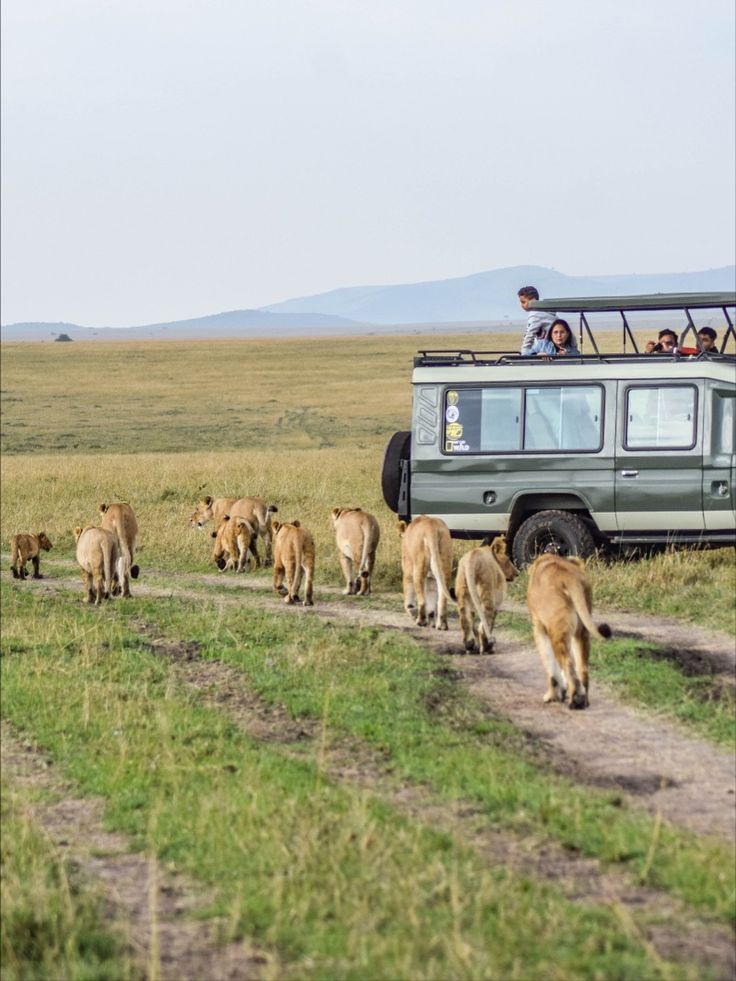
A small group safari vehicle carries 4–6 passengers in a customised 4WD Land Cruiser with a roof hatch for standing game viewing. Your guide drives and narrates throughout. The shared excitement of a lion kill at dawn, a leopard in a fig tree, or the ground-shaking sound of a Mara River crossing creates an immediate bond between strangers that many travellers cite as one of the unexpected highlights of their Kenya safari. Many solo travellers who begin their trip nervously end it having made close friends they travel with again.
Important to know: Even in a shared group safari vehicle, you are not in a tour bus with strangers. You have a dedicated vehicle, a dedicated guide, and the flexibility to request specific sightings or stay longer at a scene. The experience is intimate, not impersonal.
What Places Should You Visit in 6–7 Days? Recommended Kenya Safari Itinerary
In 6–7 days, you can comfortably visit two major destinations from Nairobi without feeling rushed. This is the Kenya safari itinerary we recommend for first-time Big Five visitors:
| Day | Location | Highlights |
| Day 1 | Arrive Nairobi | Airport transfer, optional Giraffe Centre or David Sheldrick Wildlife Trust visit, operator briefing, overnight Nairobi |
| Days 2–5 | Maasai Mara National Reserve | Morning and evening game drives, Big Five sightings, Great Migration and Mara River crossings (July–Oct), Maasai village cultural visit, optional hot-air balloon safari |
| Day 6 | Amboseli National Park | Large elephant herds at the swamp marshes, Mount Kilimanjaro backdrop views, lion and leopard sightings, afternoon drive |
| Day 7 | Return Nairobi and Depart | Final morning game drive in Amboseli, drive or fly to Nairobi, depart internationally |
Why the Maasai Mara Comes First
The Maasai Mara is the anchor of any Kenya safari itinerary. It hosts the densest concentration of predators in Africa, the annual arrival of the Great Migration between July and October, and the iconic open-grassland landscapes that define the Kenya safari image. Four nights in the Mara gives you eight game drives — enough time to genuinely track individual animals, witness multiple species interactions, and absorb the scale and pace of the ecosystem. Rushing through in two nights is the most common itinerary mistake first-timers make.
Why Amboseli is Worth the Extra Day
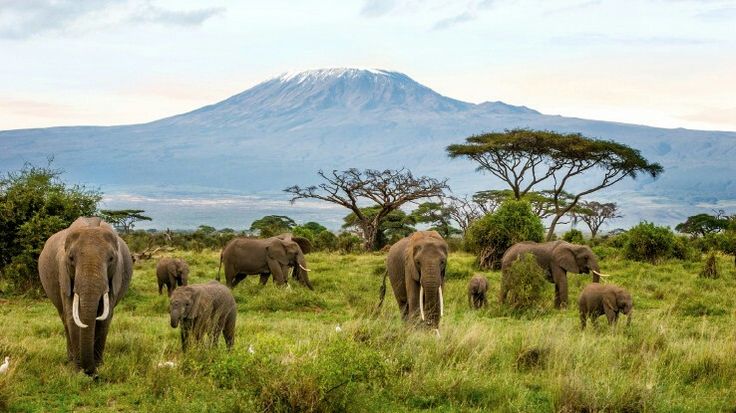
Amboseli National Park sits at the foot of Mount Kilimanjaro, 240 kilometres from Nairobi. The park’s elephant population is one of the most studied and habituated in Africa — herds of 80–150 individuals move through the swamp marshes throughout the day, often within metres of game drive vehicles. Clear December–March mornings offer unobstructed Kilimanjaro views that are among the most photographed images in East Africa. Even in July–October, on clear mornings the mountain is visible and the combination of elephant herds and snow-capped peaks in a single frame justifies the additional day of travel entirely.
If You Only Have 6 Days
Focus entirely on the Maasai Mara and give yourself five nights. More time in one reserve produces better wildlife encounters than splitting a short trip across multiple destinations. Six days in the Mara is genuinely enough to feel immersed rather than rushed, and to maximise your chances of witnessing a river crossing during Great Migration season.
Nairobi arrival tip: Add an arrival day in Nairobi before your safari begins. Long-haul flights leave most travellers tired and disoriented. Use the first day to rest, visit the Giraffe Centre or the David Sheldrick baby elephant feeding session (book in advance), and meet your guide-driver for a briefing. Starting a Kenya safari exhausted after a red-eye flight is the single most avoidable first-timer mistake.
Is Indian Food Available on a Kenya Safari?
This is one of the most practically useful questions Indian travellers ask before booking a Kenya safari — and the honest answer is far more reassuring than most expect.
In Nairobi
Nairobi has one of the largest and most established Indian-origin communities in East Africa, with roots going back over a century to the construction of the Kenya-Uganda Railway. The result is a genuinely impressive Indian food scene across every price range. The Westlands and Parklands areas of Nairobi are particularly well served, with restaurants covering South Indian, North Indian, Gujarati, and Punjabi cuisines. From dosas and idli to butter chicken and biryani, you will have no difficulty eating familiar food before and after your Kenya safari. Vegetarian options are abundant.
At Safari Lodges and Camps
Most reputable Maasai Mara and Amboseli lodges cater to an international guest base and serve buffet-style meals with meaningful vegetarian options — lentil dishes, rice, vegetable curries, and Indian-style breads are common at lodges that host guests from India and East Africa regularly. The key is communication: when you confirm your Kenya safari booking, explicitly inform your operator of your dietary preferences and any restrictions. A good operator will relay this to every lodge on your itinerary, and the kitchen will be prepared for your arrival. This is entirely standard practice in Kenya’s reputable safari industry.
At budget-tier camps with more limited kitchen facilities, the menu may be less flexible. If you have specific dietary requirements, carry a supply of backup snacks — protein bars, instant oats, or packaged Indian snacks — as a practical safety net. That said, going hungry on a Kenya safari is genuinely rare for travellers who communicate their needs clearly in advance.
Practical Tips for Your First Kenya Safari
Visa Requirements
Most international travellers require a Kenya eTA to enter the country. Applications are made online through the official Kenya eTA portal before travel. Visa fees and requirements vary by nationality and can change, so confirm current requirements on the official site at least 6–8 weeks before departure. Processing typically takes 2–3 business days, but applying two weeks before travel provides a comfortable buffer for any delays or resubmissions.
Malaria and Health
Kenya is a malaria-risk destination year-round across all safari park areas. Consult a travel health clinic at least 4–6 weeks before departure to discuss the appropriate antimalarial medication for your needs — options include daily tablets and weekly courses, and the right choice depends on your health history and travel duration. In addition to medication, carry DEET-based insect repellent, cover your arms and legs during evening hours (prime mosquito feeding time), and use the mosquito net your camp provides every night without exception.
What to Pack for a Dry-Season Kenya Safari
Packing for the Maasai Mara in July–October requires thinking about two separate climates within the same day. Morning game drives start at 06:00–07:00 when temperatures can be as low as 8–12°C — a warm fleece or light down jacket is essential. By mid-morning, temperatures climb to 28–32°C. Neutral-coloured clothing (khaki, olive, tan, beige) is standard — avoid bright colours, white, and black. Black attracts tsetse flies, and white and bright colours disturb animals. A lightweight dust buff or scarf is invaluable for open-vehicle game drives. Pack quality polarised sunglasses, high-SPF sunscreen (reapplied frequently), and a wide-brim hat for midday drives.
Currency and Money
Kenya’s currency is the Kenyan Shilling (KES). US Dollars (USD) are widely accepted at lodges, national parks, and for tipping, and are the most practical currency to carry for a safari. Bring a supply of small USD bills — USD 1, 5, and 10 notes are ideal for tipping guides, camp staff, and local purchases. Budget USD 10–20 per day for gratuities, split between your driver-guide and camp staff (housekeeping, wait staff, and so on). ATMs are available across Nairobi but scarce outside the city — withdraw what you need before leaving for the parks.
Safety on a Kenya Safari
Kenya’s safari parks and reputable lodges are safe, well-regulated, and receive hundreds of thousands of international visitors annually without incident. Inside the parks, follow your guide’s instructions without exception — never exit the vehicle without explicit permission, regardless of how calm an animal appears. In Nairobi, exercise standard urban safety awareness: use hotel or operator-arranged taxi services rather than hailing vehicles on the street, avoid displaying expensive cameras or jewellery in crowded areas, and keep your valuables secured in your accommodation safe. Your operator will brief you on all relevant safety protocols at the start of your itinerary.
Frequently Asked Questions About Kenya Safari
Can I do a Kenya safari without a travel agent?
Technically yes, but for first-timers it is significantly harder and rarely cheaper. Booking a Kenya safari independently requires arranging park entry fees, accommodation, vehicle hire, a licensed guide, and transfers separately — each of which has its own booking system and lead time. Coordination errors on a tight 6–7 day itinerary are common and costly. Working with a TRA-registered operator gives you a single point of accountability, local expertise, and real-time guide radio networks that improve every aspect of the wildlife experience.
What is the minimum budget for a 7-day Kenya safari?
On a genuine budget — shared accommodation, group vehicle, road transfers — a 7-day Maasai Mara safari costs approximately USD 1,200–1,500 per person all-inclusive (excluding flights and visa). Be cautious of operators quoting substantially below this figure: hidden park fees, low-quality accommodation, or poor guide experience are the most common ways below-market prices are structured.
Is Kenya safe for solo female travellers?
Yes. Kenya’s safari parks and reputable lodges are well established for solo female travellers, and thousands of women travel alone to Kenya every year without incident. When booking, ask specifically for reviews from solo female guests. Ensure your operator arranges all airport transfers — do not use unverified taxi apps on arrival in Nairobi. Inside the parks and at lodges, safety standards are consistently high across reputable operators.
When exactly does the Great Migration happen in Kenya?
The Great Migration arrives in Kenya’s Maasai Mara from Tanzania’s Serengeti starting in late June or early July, depending on rainfall patterns that drive grass growth. The herds reach peak numbers in August, and the Mara River crossings — the Migration’s most dramatic spectacle — occur most frequently between mid-August and late September. By November, most of the 1.5 million wildebeest have returned south into Tanzania. If witnessing a river crossing is your primary goal for your Kenya safari, August and September offer the highest probability.
Do I need to be physically fit for a Kenya safari?
A standard lodge-based game drive safari requires very little physical exertion — you spend most of the day seated in a 4WD vehicle. Optional activities like guided bush walks or rhino tracking on foot require moderate fitness, but these are entirely optional extras. There are no mandatory physical requirements for the standard Maasai Mara or Amboseli Kenya safari experience.
How far in advance should I book?
For a July–October peak season Kenya safari, book at least 6–9 months in advance — the best-positioned camps in the Mara sell out 9–12 months ahead, particularly for August. For January–February or November, 2–3 months advance booking is generally sufficient for mid-range options. Contact Sola Safari Travels as early as possible to check current availability for your preferred dates.
Ready to Plan Your Kenya Safari?
A 6–7 day Kenya safari is one of the most complete wildlife experiences available anywhere in the world. The Maasai Mara will deliver exactly what the photos promised. The Great Migration, the Big Five, the golden light of an East African sunrise from an open vehicle roof — these are experiences that stay with you for the rest of your life.
The difference between a good trip and a great one almost always comes down to how well the itinerary is built. Choosing the right parks for the right season, positioning at the right camps, and having a guide who knows where the cheetah coalition spent the night — these details are what a quality local operator delivers that no online booking platform can replicate.
At Sola Safari Travels, we build every Kenya safari itinerary around real-time conditions, not fixed templates. Our team monitors migration movements, rainfall patterns, and lodge availability continuously — so your trip is designed from the field, not from a desk. Whether you are chasing the Great Migration in August or exploring January’s predator-rich quiet season, we will match your itinerary to your exact dates, budget, and priorities.
Start planning your Kenya safari today →
Contact our team for a free, personalised quote.
We respond within 24 hours with availability, options, and honest advice.
Written by Linsel Ajode, Senior Safari Specialist at Sola Safari Travels. Linsel has over 5 years of experience planning safaris across Kenya and Tanzania, with deep expertise in curating ideal itineraries, ground handling and safari planning. Sola Safari Travels is a TRA-registered operator rated 5 on TripAdvisor, Trust Pilot and SafariBookings.