
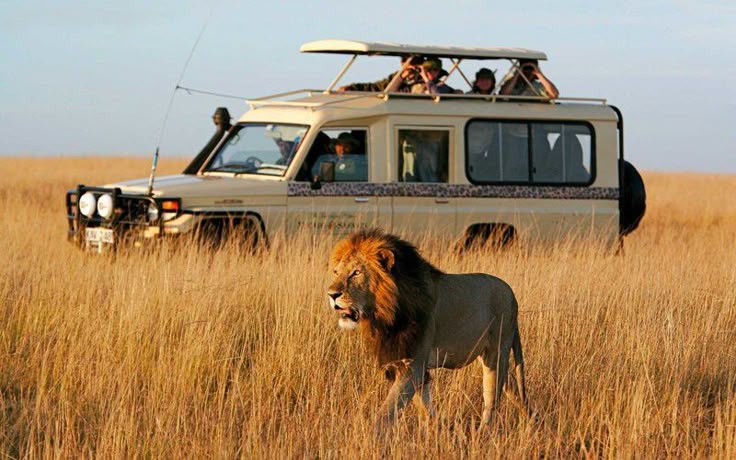
Kenya Safari Travel Guide: Everything You Need to Know (2026)
This Kenya safari travel guide was built around one real question, the kind that comes up in almost every planning conversation: where do I actually start?
A group of travellers heading to Kenya in July recently put it plainly. The Maasai Mara is confirmed, a hot air balloon ride is on the list, and they are torn between Lake Nakuru and Lake Naivasha. They want to know whether Tsavo is worth adding, what to do in Nairobi, and whether Diani Beach and Mombasa make a good way to end the trip. If any of that sounds familiar, this guide is for you.
Kenya is one of the best safari destinations in the world for first-time visitors. English is widely spoken, international flights connect directly into Nairobi, the parks are well looked after, and the sheer concentration of wildlife in a relatively small country is hard to match. But with so many parks, seasons, budgets, and operators to choose from, it’s easy to feel overwhelmed without a clear plan.
This Kenya safari travel guide covers the country’s best parks, the right timing for each type of trip, realistic costs for every budget, a step-by-step planning process, and direct answers to the questions travellers ask most. Let’s start planning your Kenya safari.
Key Takeaways
- The Maasai Mara needs at least 3 nights, 2 nights feels rushed, especially if you are adding a hot air balloon safari at dawn
- Kenya’s best wildlife season is June to October, the Great Wildebeest Migration peaks in the Maasai Mara between July and October
- Kenya safari costs start at around $150 per person per day for budget camping, rising to $1,500+ for luxury tented camps; most mid-range packages fall in the $300–$600 range
- Nairobi deserves 1–2 nights, the Sheldrick Wildlife Trust and Giraffe Centre are genuine highlights, not tourist box-tickers
- Lake Nakuru or Lake Naivasha: choose Nakuru for rhinos and flamingos; choose Naivasha for variety: boat safaris, Hell’s Gate cycling, and a lighter feel between safari blocks
- Tsavo National Park is a strong add-on if you are heading to the coast, it breaks up the journey and offers red elephants and very different landscapes
- Book through a TRA-registered Kenya operator 6–9 months ahead for peak season, the best Maasai Mara camps can fill 8–12 months out
How to Use This Kenya Safari Travel Guide
Read this Kenya safari travel guide start to finish if you’re still deciding where to go, or use it as a quick reference if you already know roughly what you want. The sections below follow the order most people plan in: parks, timing, Nairobi, cost, and a step-by-step process. Jump to the FAQ at the end for quick answers.
Kenya Safari Travel Guide: Why Kenya Is One of Africa’s Best Safari Destinations
Kenya earns its reputation as one of the world’s top safari destinations through a mix few countries can match: huge numbers of wildlife, very different landscapes within driving distance of each other, and tourism infrastructure that makes a first safari genuinely easy to manage.
About 8% of Kenya’s land is set aside as national parks and reserves, one of the highest shares of any African country. Within a single two-week trip, you can see elephants under Kilimanjaro in Amboseli, track rhinos in Ol Pejeta, watch flamingos turn Lake Nakuru pink, spot rare northern species in Samburu, and witness the world’s greatest wildlife spectacle in the Maasai Mara. Kenya is home to the full Big Five: lion, leopard, elephant, Cape buffalo, and rhinoceros, plus more than 1,100 bird species.
For first-time visitors, Kenya’s practical side matters as much as the wildlife. English is widely spoken across parks, lodges, and cities. Jomo Kenyatta International Airport in Nairobi takes direct flights from the UK, Europe, the US, and the Middle East, and Kenya’s park roads are some of the best kept in East Africa. Add a rich Maasai cultural heritage, and a Kenya safari offers something no other single destination quite matches.
Which National Parks Should You Visit on a Kenya Safari?
Kenya’s parks each offer something different. The right mix depends on your travel dates, the wildlife you most want to see, and how much time you have. This part of the Kenya safari travel guide breaks down the parks that matter most for a first-time visitor.
Maasai Mara National Reserve — Big Cats and the Great Migration
The Maasai Mara is Kenya’s flagship wildlife destination and consistently ranks among the best safari reserves in the world. It is a seamless extension of Tanzania’s Serengeti, and the only place on Earth where you can watch the Great Wildebeest Migration’s famous river crossings, hundreds of thousands of wildebeest plunging into crocodile-filled water between July and October. The reserve has the highest lion density in Africa, and leopard and cheetah sightings are excellent year-round.
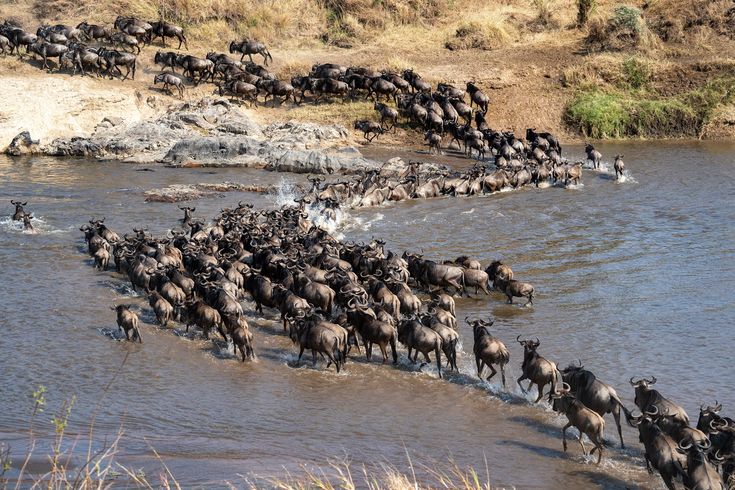
For a full guide to what the Mara offers across the seasons, see our Maasai Mara National Reserve page.
Amboseli National Park — Elephants and Kilimanjaro
Amboseli National Park delivers one of Africa’s most photographed scenes: large elephant herds moving through swamps with Mount Kilimanjaro rising behind them. The mountain is best seen from December to March, when cloud cover is lowest, outside this window it is often hidden, so don’t bank on the view if you’re visiting at another time of year. The park is small but packed with wildlife, including one of Africa’s best-studied elephant populations, tracked by researchers for over 50 years. Amboseli is about four hours by road from Nairobi and combines well with a Maasai Mara leg on a 7-day Kenya safari itinerary.
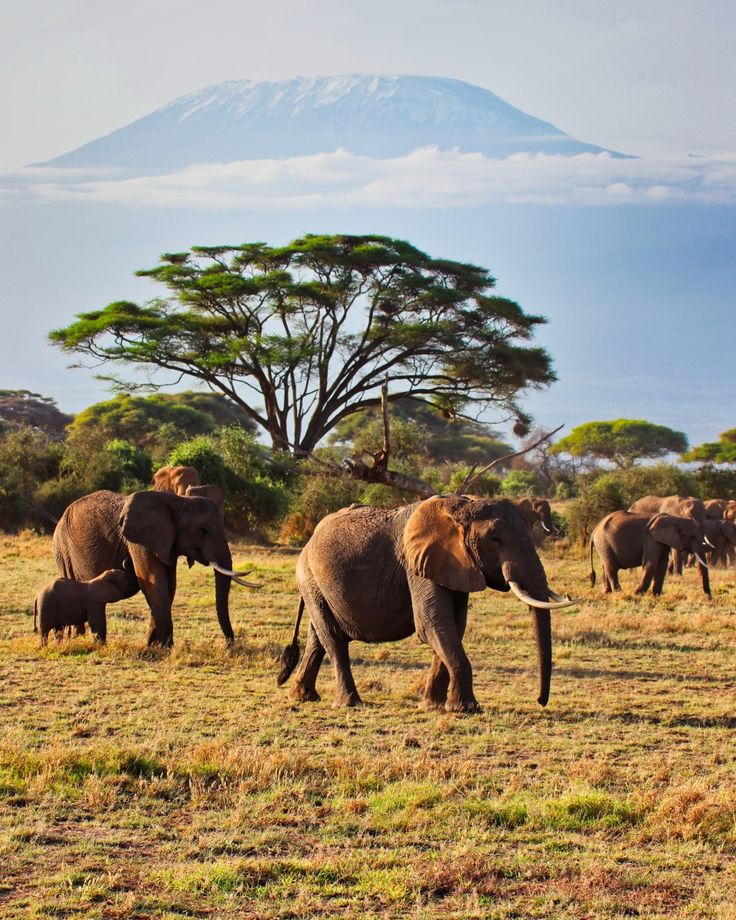
See the full Amboseli National Park guide for what to expect and when to visit.
Tsavo East and West — Scale and Red Elephants
Together, Tsavo East and West form Kenya’s largest protected area, covering over 20,000 square kilometres of volcanic landscape, acacia scrub, and open plains. Is Tsavo National Park worth visiting on a first Kenya safari? It’s famous for its “red elephants” animals coated in the park’s red volcanic dust, plus large lion prides and a quieter, more remote safari feel.
Tsavo has far fewer vehicles than the Mara, which suits travellers who want space. It also sits right on the road between Nairobi and Mombasa, making it a natural add-on for trips ending at the coast. For the full picture, see our Tsavo East National Park guide.
Samburu National Reserve — The Samburu Special Five
Samburu sits in Kenya’s dry north and hosts five species rarely seen in Kenya’s southern parks: reticulated giraffe, Grevy’s zebra, Somali ostrich, gerenuk, and beisa oryx, together known as the Samburu Special Five. Remote and uncrowded, Samburu pairs well with the Maasai Mara on a 10-day itinerary for travellers who want the widest range of wildlife from one Kenya safari trip.
Read more in our guide to the Samburu Special Five.
Lake Nakuru — Flamingos, Rhinos, and a Perfect Stopover
Lake Nakuru’s alkaline waters draw huge flamingo flocks, creating one of East Africa’s most striking landscapes. The park is also a key sanctuary for both black and white rhino, and works well as a one-night stopover between Nairobi and the Maasai Mara.
See our Lake Nakuru National Park page for more on what to expect. For a clear breakdown of the cost difference between a national park like Nakuru and a private conservancy, our guide to why there’s a cost difference between a conservancy and a national park explains it in full.
Expert Insight: The Nakuru vs Naivasha question comes up in almost every Kenya safari consultation we run. Our guidance is consistent: if you’re already spending 3 nights in the Maasai Mara, choose Lake Naivasha for contrast — the hippo boat safari, the walking tour on Crescent Island, and Hell’s Gate cycling give you a completely different pace. If you’re only doing 2 nights in the Mara, Lake Nakuru balances better — its smaller size means more concentrated wildlife and better photo opportunities in less time.
When Is the Best Time to Go on a Kenya Safari?
Kenya is a year-round safari destination, but timing changes what you’ll see and what you’ll pay. The single biggest factor for most first-timers is the Great Wildebeest Migration.
The dry season (June–October) gathers wildlife around water sources and produces the dramatic Mara River crossings in the Maasai Mara. Visibility is better with less vegetation, predator activity is high, and for many travellers this is the best time to visit Kenya for a safari. July through October is the window for the Migration, with August and September usually offering the most river crossings.
The green season (November–May) is the quieter alternative. Lodge prices drop 20–40%, crowds thin out, and the landscapes turn lush and green. January and February bring wildebeest calving in the Serengeti, excellent birdwatching as migratory species arrive from Europe and Asia, and a more personal feel overall. Travellers who’ve already done the dry season often prefer the green season on a return trip.
| Month | Season | Highlights | Crowds & Cost |
| Jan–Feb | Dry (short) | Excellent game viewing, wildebeest calving in Serengeti | Low–medium; competitive rates |
| Mar–May | Long rains | Lush landscapes, superb birdwatching, newborn animals | Low crowds; lowest prices |
| Jun–Jul | Dry season begins | Big cat activity rises; Migration enters Kenya | Building; prices rising |
| Aug–Sep | Peak dry season | Migration river crossings at peak; superb all-round viewing | Highest; peak prices |
| Oct | Late dry | Migration tapering; excellent big cat sightings | Crowds easing |
| Nov–Dec | Short rains | Migratory birds arrive; green landscapes; good value | Low–medium; lower prices |
What Should You Do in Nairobi Before Your Safari?
Nairobi gets an unfair reputation as a city to rush through. One to two nights is ideal, enough time to see the real highlights without eating into your safari days.
The David Sheldrick Wildlife Trust runs one of the world’s most successful elephant orphan rehabilitation programmes. The daily public visit (11am–noon, advance booking required) lets you watch baby elephants up close in a genuine conservation setting. These are wild animals being prepared for life back in the bush, not zoo animals, and it’s a quietly moving experience.
Note that since October 2025, visitors also need to pay the separate Nairobi National Park gate entry fee on top of the Trust’s own visit donation, budget for both. The Giraffe Centre, where you can hand-feed endangered Rothschild giraffes from a raised platform, is about 15 minutes away and pairs easily with the Trust in one morning.
If you have an extra afternoon, a guided morning drive in Nairobi National Park, the only national park in the world inside a major city, offers lion, rhino, and buffalo sightings against Nairobi’s skyline. The Trust, the Giraffe Centre, and a Nairobi National Park drive cover most of the genuine things to do in Nairobi before a safari, without eating into your time in the bush. Stay near Wilson Airport if you’re flying domestically to the Maasai Mara or Amboseli, the transfer to Jomo Kenyatta International Airport usually takes 45–90 minutes depending on traffic, so build this into your check-out timing on departure day.
How Much Does a Kenya Safari Cost in 2026?
This part of the Kenya safari travel guide breaks down real numbers for every budget tier.
| Tier | Per Person Per Day | Accommodation | What’s Typically Included |
| Budget | $150–$300 | Camping or basic lodge | Game drives, meals, park fees, shared vehicle (6–8 pax) |
| Mid-range | $300–$600 | Comfortable lodge or en-suite tented camp | All meals, game drives, transfers, park fees, private or semi-private vehicle |
| Luxury | $600–$1,500+ | Luxury tented camp or exclusive lodge | All activities, private guide, butler service, gourmet meals, all transfers included |
Most first-time Kenya safari travellers land in the mid-range tier, comfortable lodges or quality tented camps, private or semi-private vehicles, and professional guiding. The wildlife access at this level is almost identical to the luxury tier; what you pay extra for at the top end is exclusivity, service, and atmosphere.
Budget carefully for extra costs: international flights (roughly $700–$1,800 depending on origin and season, this is a broad estimate, so get a live quote for your dates ⚠), domestic flights between parks (roughly $300–$550 return, depending on route and airline), and the Kenya eTA ($30 USD per person, paid online at etakenya.go.ke, see our visa requirements for a Kenya safari trip guide for the full process). Guide tips run $10–$20 per day per guest; lodge staff tips are typically $5–$10 a day, shared.
For a fully worked 2026 cost breakdown with real operator quotes, see our dedicated guide to how much a Kenya safari costs.
How to Plan a Kenya Safari Step by Step
For a longer walkthrough, see our full guide on how to plan a Kenya safari. Here is the short version.
Step 1: Choose Your Parks and Anchor Season
If the Great Wildebeest Migration is your priority, you need to be in the Maasai Mara between July and October. If Amboseli’s elephants or the Samburu Special Five are the draw, these parks work well year-round. Most first-timers combine two parks over 7–10 days, Mara plus Amboseli is the classic pairing; Mara plus Samburu gives more variety. Our 11-day Kenya safari itinerary shows what this looks like in practice.
Step 2: Set a Realistic Budget
A $350-a-day mid-range safari over 7 nights comes to around $2,450 in accommodation costs, before international flights and extras. Be specific about your budget before approaching operators, underestimating the full trip cost is one of the biggest mistakes first-time Kenya safari travellers make.
Read our guide to the biggest mistakes first-time Kenya safari travellers make before you commit to an itinerary.
Step 3: Choose a Registered Operator
Self-drive safaris are possible in Kenya but not recommended for first-timers, park roads are often unmarked, animals are harder to find without a trained guide, and rules vary between reserves. A TRA-registered Kenya operator handles park fees, logistics, bookings, and expert guiding instead.
Ask every operator the same three questions: How long have your guides worked in this specific park? What’s the vehicle capacity? What’s your cancellation policy? A trustworthy operator answers all three without hesitation.
Step 4: Sort Logistics Early
Book domestic flights early if you’re flying between parks (Nairobi–Mara and Nairobi–Amboseli are the most common routes). Apply for your Kenya eTA at least two weeks ahead at etakenya.go.ke, check our packing guide for what to bring by season, and confirm malaria prevention and any vaccinations with a travel health clinic.
If something goes wrong close to departure: a delayed eTA, a sudden illness, a cancelled flight, contact your operator straight away. A good TRA-registered operator will have a contingency plan and can advise whether to hold off on any non-refundable bookings while things get sorted.
Beyond Game Drives — Hot Air Balloons, Culture, and the Coast
Hot Air Balloon Safari over the Maasai Mara
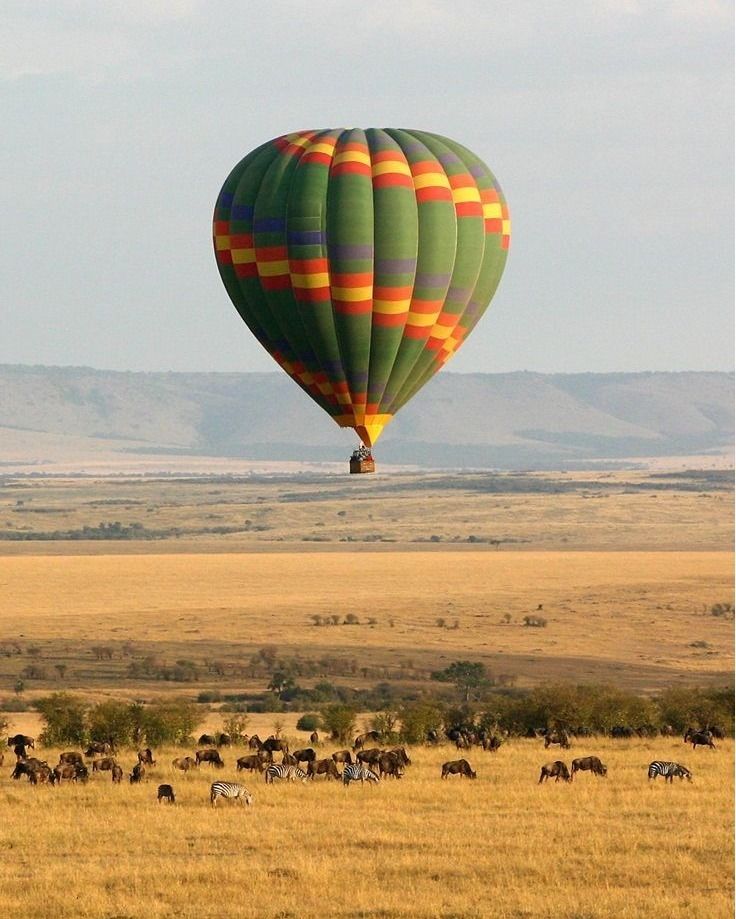
Rising before dawn in a hot air balloon, drifting silently over the savannah as the sun comes up and herds move below, is one of the most memorable things you can do on a Kenya safari. Flights run 60–90 minutes and end with a champagne bush breakfast in the field, at a cost of around $450–$550 per person, see the FAQ below for what is and isn’t included. Book through your operator well in advance, since spaces are limited and peak-season camps fill fast.
Maasai Cultural Village Visits
A genuine Maasai village visit, arranged through your lodge or a community-owned tourism group, gives real insight into a culture that has lived alongside wildlife on this land for centuries. Real visits involve a direct payment to the community, a traditional welcome, and the chance to buy crafts straight from the makers. Ask your operator how community payments work before booking, visits where the money goes through a middleman rather than the community are less worthwhile.
For the full picture, read our guide to Maasai village tour activities.
Tsavo as a Stopover and the Kenyan Coast
If you’re ending your trip at the coast, Tsavo makes a worthwhile stopover that turns a long road transfer into an extra safari experience, the red dust elephants, the Galana River, and the sheer scale of Tsavo East feel completely different from the Maasai Mara, adding real variety rather than repeating the same scenery.
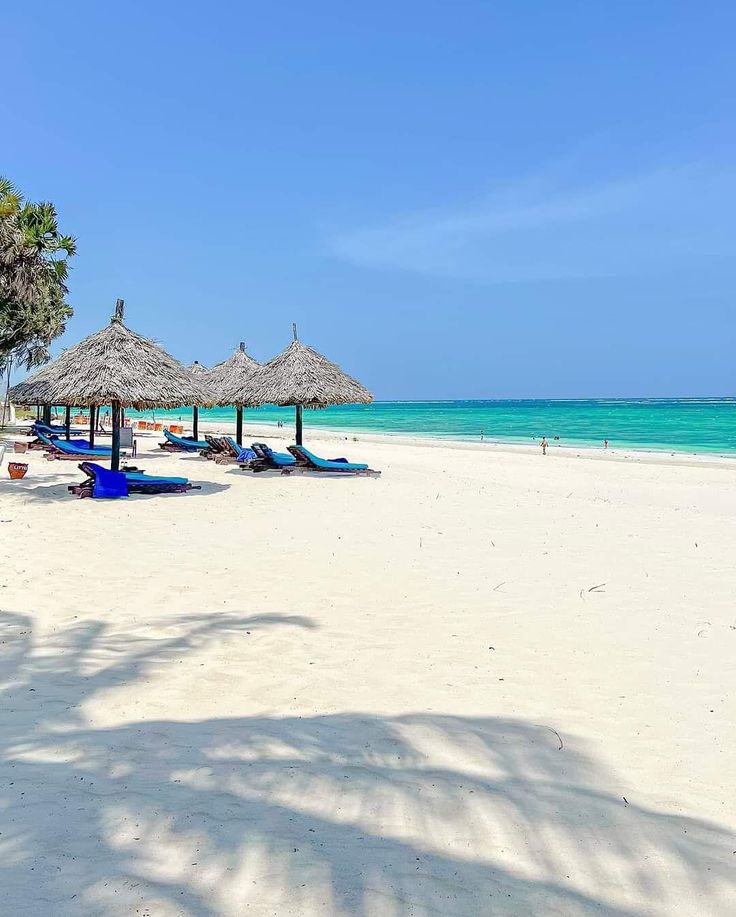
Diani Beach, south of Mombasa, has white coral sand, excellent snorkelling at Kisite-Mpunguti Marine Park, sunset dhow cruises, and a full range of water sports. Mombasa itself is worth a half-day in Old Town, Fort Jesus, a Swahili cooking class, and a guided street food tour give a strong cultural contrast to the wildlife-focused safari. A 3–4 night beach extension after the Maasai Mara makes the classic Kenya bush-and-beach trip, and Nairobi to Mombasa is a one-hour flight.
Frequently Asked Questions
How many nights do I need in the Maasai Mara?
At least 3 nights is the right minimum for a first-time visitor to the Mara, 4 if you’re adding a hot air balloon safari. With 3 nights you get a full game drive day on Day 2, the balloon at dawn on Day 3, and a relaxed afternoon drive before you leave. Two nights is possible but tends to feel rushed, with only one truly full game drive day in the field.
Is Lake Nakuru or Lake Naivasha better for a Kenya safari?
They offer different experiences. Lake Nakuru National Park is compact, with strong rhino sightings (both black and white), large flamingo flocks, and concentrated wildlife, better for safari photography and wildlife density. Lake Naivasha is a freshwater lake with hippo boat safaris, a walking tour on Crescent Island among wildlife, and Hell’s Gate National Park nearby for cycling. If you’re spending 3 or more nights in the Maasai Mara, Naivasha gives you the most contrast. If you’re only in the Mara for 2 nights, Nakuru’s concentrated wildlife balances better.
Is Tsavo National Park worth adding to a Kenya safari itinerary?
Yes, if you’re ending your trip at the Kenyan coast. Tsavo East and West sit right on the Nairobi–Mombasa road and turn a long transfer into an extra game drive day. The red dust elephants, volcanic rock, and Galana River landscape are completely different from the Maasai Mara, so Tsavo adds real variety rather than repetition. If you’re not heading to the coast, Tsavo is less essential for a first-timer already visiting the Mara and Amboseli.
What are the best things to do in Nairobi before a Kenya safari?
The David Sheldrick Wildlife Trust’s daily elephant orphan visit (11am–noon, booked in advance) and the Giraffe Centre in Langata can both be done in a single morning and are genuinely worth the time. Nairobi National Park is excellent for a morning game drive: lion, rhino, giraffe, zebra and buffalo sightings against the city skyline is a one-of-a-kind sight. If you have a full day, a guided food tour or a visit to the Karen Blixen Museum adds some cultural depth to your arrival.
How much does a hot air balloon safari cost in the Maasai Mara?
Expect to pay around $450–$550 per person for a one-hour flight, which usually includes the champagne bush breakfast afterwards. The price doesn’t normally cover the Maasai Mara National Reserve park entry fee, which still applies on the day of your flight even if you’re staying in a private conservancy. Pilot and ground crew tips are customary and usually budgeted separately. Book through your tour operator as soon as your Mara dates are confirmed, since spaces fill quickly in peak season.
How far in advance should I book a Kenya safari?
This Kenya safari travel guide recommends booking 6–9 months ahead for peak migration season (July–October). The best riverfront Maasai Mara camps and private conservancy lodges can fill 8–12 months ahead for August and September specifically. For shoulder season travel (January–March or June), 3–4 months of lead time is usually workable, though booking earlier always gives you more choice. Leaving a peak-season Kenya safari to the last minute is one of the most common planning mistakes.
Is Kenya safe for first-time safari travellers?
Kenya’s national parks and private conservancies are among the safest environments in the country, wildlife is the main variable, and it’s managed expertly by experienced guides. The main safety considerations involve central Nairobi at night. Using registered ride-hail services (Uber and Bolt both operate widely in Nairobi), staying in established hotel areas near Wilson Airport, and following normal city travel precautions removes most of the risk. International travellers should check their own government’s travel advisory for Kenya before departure, most foreign affairs departments publish up-to-date guidance for their citizens.
Can I combine a Kenya safari with a beach holiday at Diani or Mombasa?
Yes. The bush-and-beach combination is one of the most popular ways international travellers structure a Kenya safari trip. Diani Beach south of Mombasa is Kenya’s best beach destination, with snorkelling, water sports, and dhow cruises, while Mombasa’s Old Town and Fort Jesus add cultural interest. A typical combination runs 6–8 safari days across two parks, followed by 3–4 nights at Diani. Nairobi to Mombasa is a one-hour domestic flight, so the logistics are straightforward.
Final Thoughts: Using This Kenya Safari Travel Guide to Plan Your Trip
For the travellers who started this conversation: Mara, balloon, the Nakuru-or-Naivasha question, Tsavo, Diani, the shape of a strong itinerary is now clear: 3–4 nights in the Maasai Mara, a contrast stop at Nakuru or Naivasha, an optional Tsavo stopover on the way to the coast, and a few days unwinding at Diani to close the trip.
That’s really what this Kenya safari travel guide comes down to: a plan built around your dates, your budget, and what you actually want to see, rather than a checklist of every park name you’ve heard of. Build it around two or three ecosystems done properly, book early for peak season, and work with an operator who’ll be straight with you if the plan is trying to do too much. Get that right, and the rest takes care of itself.
Ready to plan your Kenya safari? Get a free, no-obligation quote from Sola Safari Travels →
Browse our full range of Kenya safari packages, or explore our popular 7-day wildebeest migration safari for a ready-to-book migration itinerary.
Written by Linsel Ajode, Senior Safari Specialist at Sola Safari Travels. Linsel has over 5 years of experience planning safaris across Kenya and Tanzania. Sola Safari Travels is a TRA-registered operator rated 5 stars on TripAdvisor, Trustpilot, and SafariBookings.