
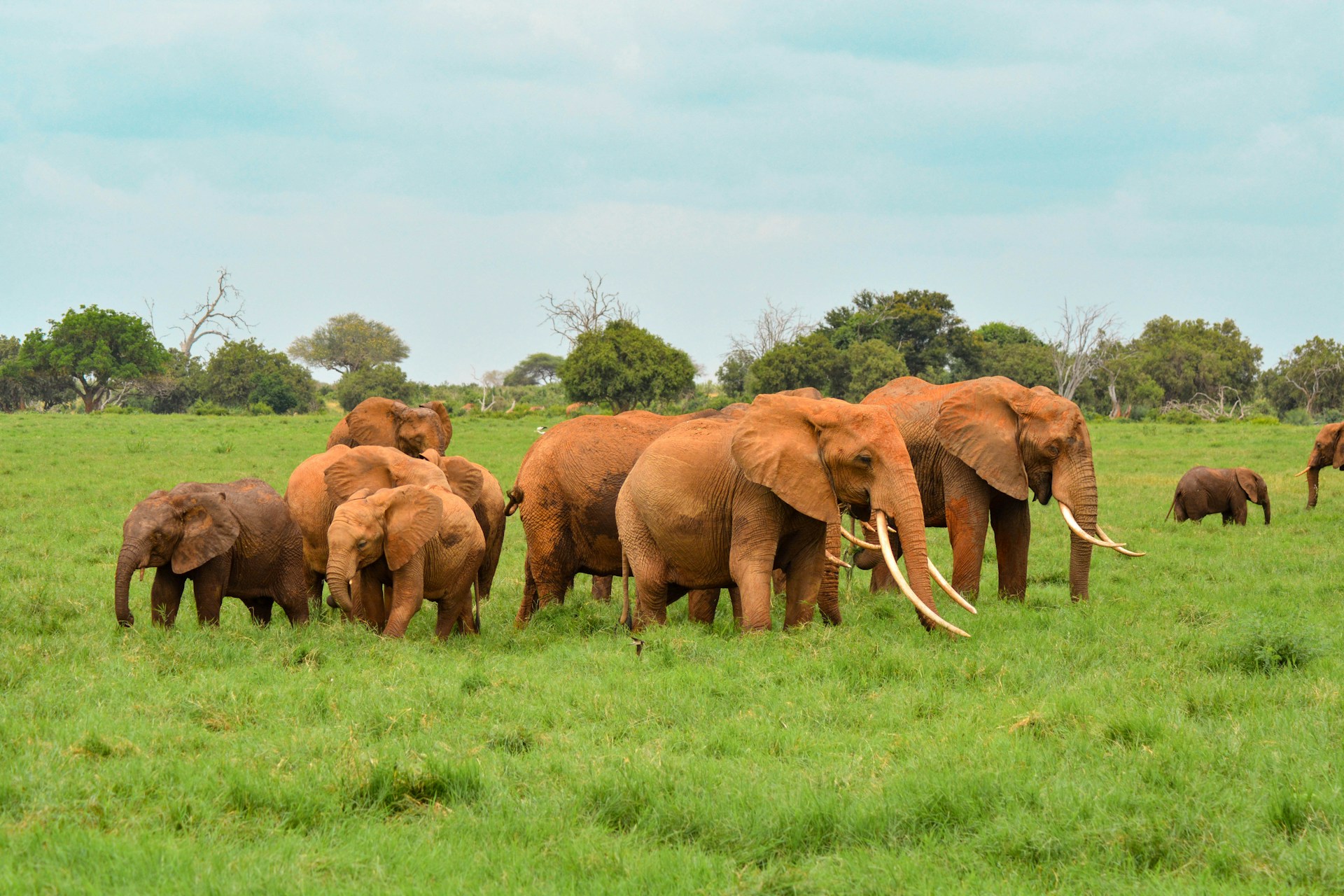
When most people think of safaris in Kenya, their minds immediately jump to the Big Five: lion, leopard, elephant, buffalo, and rhino. But tucked away in the semi-arid north of Kenya lies a lesser-known, equally fascinating group of animals known as the Samburu Special Five.
If you’re craving a safari experience that’s off the beaten path and full of rare wildlife sightings, the Samburu Special Five should be on your radar. Here are seven intriguing facts about these unique creatures, and why they’re worth seeking out.
1. The Samburu Special Five Are Only Found in Northern Kenya
Unlike the Big Five, the Samburu Special Five can’t be found in most national parks across Kenya. These species are uniquely adapted to the hot, dry, and rugged terrain of northern Kenya, particularly in reserves like Samburu, Buffalo Springs, and Shaba.
This makes Samburu National Reserve a truly exclusive destination for wildlife enthusiasts.
2. They’re Made Up of Gerenuk, Somali Ostrich, Reticulated Giraffe, Beisa Oryx, and Grevy’s Zebra
Each animal in the Samburu Special Five is distinct:
- Gerenuk – Also called the “giraffe gazelle,” it stands on two legs to browse from trees.
- Somali Ostrich – Unlike the common ostrich, it has blue-gray legs and a blue neck.
- Reticulated Giraffe – Known for its sharp-edged, net-like coat patterns.
- Beisa Oryx – A desert antelope with long straight horns and striking facial markings.
- Grevy’s Zebra – The largest and rarest of the zebra species, with narrow stripes and a white belly.
Learn more about these species from Save the Giraffes.
3. You’re More Likely to Spot the Samburu Special Five Than the Big Five Here
While large predators are fewer in number in Samburu, the Samburu Special Five thrive here. The open landscapes, fewer tourists, and resident animal populations make this one of the best places to consistently see all five on the same trip.
4. Conservation Efforts Are Ongoing to Protect Them
Organizations like Grevy’s Zebra Trust and the Northern Rangelands Trust are working with local communities to protect these rare animals, many of which are threatened or endangered. Tourism also plays a key role in funding their conservation.
This makes your visit to Samburu more than a vacation, it’s a contribution to wildlife preservation.
5. Samburu Guides Are Experts at Tracking Them
Local Samburu guides know the land, water sources, and animal behaviors better than anyone. Their ability to track and explain the Samburu Special Five makes your game drive a truly educational experience.
6. The Experience Is Less Crowded and More Intimate
Compared to the busier Maasai Mara or Amboseli, Samburu offers a quieter, more immersive experience. You’ll often be the only vehicle at a sighting, allowing for better photos and a deeper connection to nature.
Want to plan the perfect safari route? Read our guide on how to plan your safari to Kenya
7. You Can See the Samburu Special Five Year-Round
Unlike the Great Migration which is seasonal, the Samburu Special Five are residents of the region and can be seen throughout the year. However, the best sightings occur during the dry season from June to October when animals gather near watering holes.
Why You Should Include Samburu in Your Safari Itinerary
If you’re looking to go beyond the usual tourist circuit and see Kenya’s hidden gems, tracking the Samburu Special Five is a must. The region offers a blend of rare wildlife, rich culture, and raw beauty that few other places can match.
At Sola Safari Travels, we create custom safari packages that include Samburu and other top destinations with expert local guides to help you spot both the Big Five and the Special Five.
📞 Let us plan your unforgettable adventure.