+254 736 992608
info@solasafaritravels.com

Lake Kivu is one of the African Great Lakes situated in the Great Rift Valley and shared by Rwanda and the Democratic Republic of the Congo (DRC). It is located in the Albertine Rift, which is a part of the larger East African Rift.
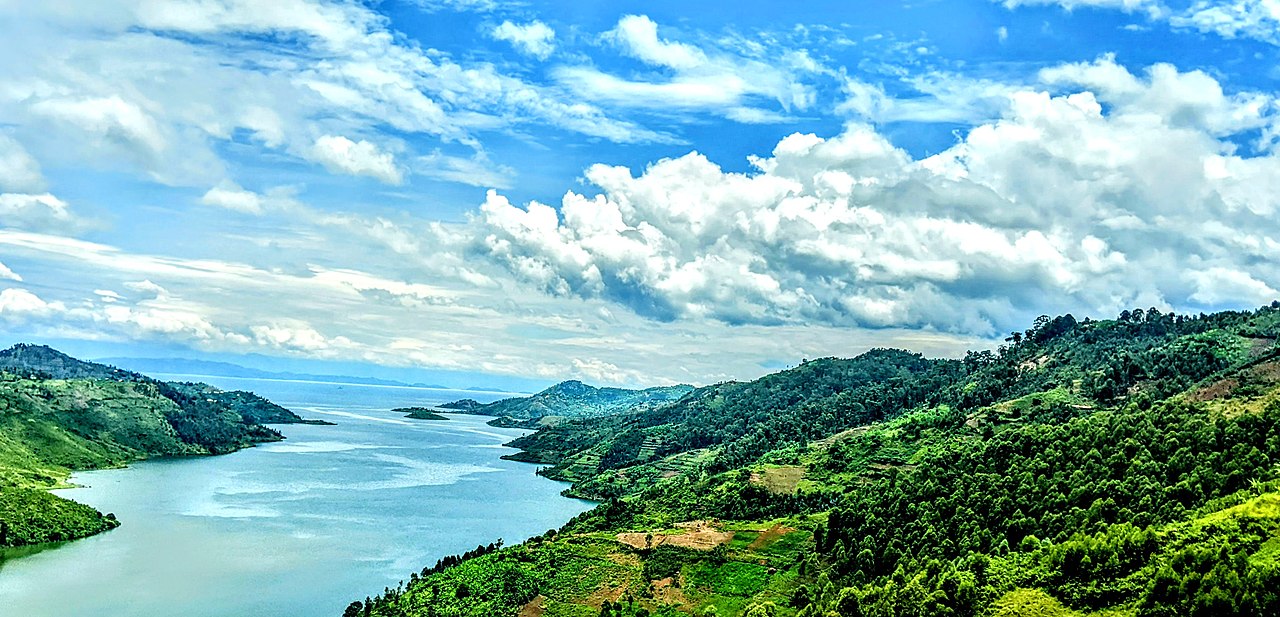
Lake Kivu is known for its stunning scenery, with its shores framed by lush hills and mountains. It is also one of the largest and deepest lakes in Africa, covering an area of approximately 2,700 square kilometers (1,040 square miles) and reaching depths of over 480 meters (1,575 feet).
One of the unique features of Lake Kivu is its methane and carbon dioxide-rich waters. These gases are produced by biological and geological processes and are trapped at the bottom of the lake under high pressure. This phenomenon creates a potential risk of limnic eruptions, although the lake has not experienced such an event in recent history.
Lake Kivu plays a significant role in the economies of Rwanda and the DRC. Fishing is an important industry, with local communities relying on the lake for sustenance and livelihoods. Additionally, the lake’s methane resources have the potential for energy production, and there are ongoing efforts to explore methane extraction as a source of renewable energy.
Tourism is also a growing industry around Lake Kivu, with activities such as boat cruises, kayaking, fishing excursions, and lakeside resorts attracting visitors seeking relaxation and adventure amidst the lake’s scenic surroundings.
Overall, Lake Kivu is not only a beautiful natural attraction but also a vital resource for the communities living around its shores, offering economic opportunities and contributing to the region’s biodiversity and ecological balance.